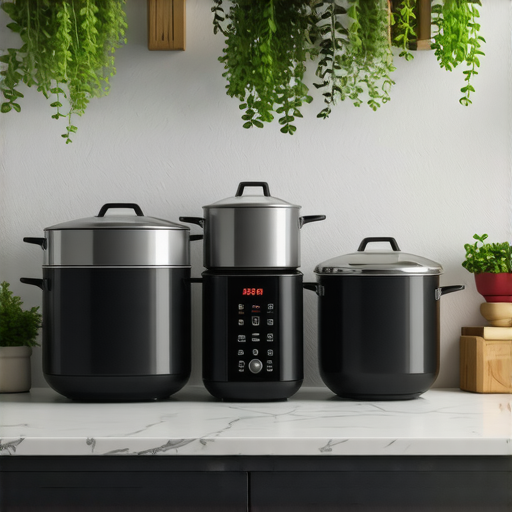
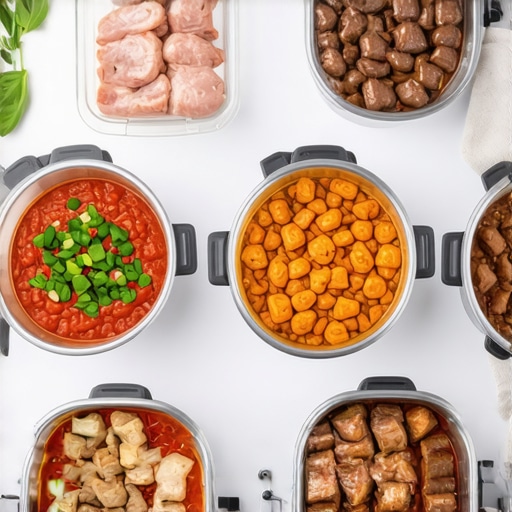
There was a time when I would spend hours in the kitchen, only to be met with leftovers that quickly lost their flavor or, worse, turned mushy by the next day. One particularly frustrating experience was when I tried to reheat a batch of pulled chicken, and it came out dry and stringy—disappointing after all the effort I put in. That lightbulb moment made me realize I needed a smarter way to prep meals for the week. And that’s when I discovered the magic of choosing the right pressure cooker proteins that freeze and reheat perfectly.
Today, I want to share my journey and help you avoid the common pitfalls of meal prep failures. We’ll explore the best proteins for freezing, which ones hold up in the freezer, and how to prepare them so they stay delicious and tender. Whether you’re a busy parent, a meal prep fanatic, or just someone tired of soggy leftovers, this post promises practical tips to transform your approach to cooking ahead. By the end of this, you’ll be stocked with reliable proteins that make weekly meal prep effortless and satisfying.
Why Picking the Right Pressure Cooker Proteins Matters
Choosing proteins that freeze well is essential to avoid the dreaded dried-out, mushy, or rubbery meals. Often, I made the mistake of assuming all meats are equally freezer-friendly, only to find a week later that some were completely unusable after thawing. A study in Food Quality and Preference highlights that proper freezing techniques and selecting suitable proteins can make all the difference in maintaining texture and flavor. Trust me, it’s worth investing a little extra thought at the start to save yourself hours of disappointment later.
Think about it–what’s the point of meal prepping if your meals don’t taste as good as fresh? I promise that with the right protein choices—like pressure cooker staples—you’ll be reheating meals that taste just as delicious as the day they were cooked. So, if you’ve ever faced the frustration of defrosted meat that’s gone from tender to tough, you’ll want to pay attention to these tips.
Now, let’s dive into the specific proteins that hold up well through freezing and reheating, and how to prepare them so they stay moist, flavorful, and true to their original texture.
Is It Really Worth the Hype to Freeze Proteins in 2026?
AS a longtime home cook, I used to think that meal prep was just a way to save time, but I quickly realized it’s also a game-changer for reducing waste and stress. My early mistake was overcooking chicken breasts, thinking they’d be easier to portion, only to find them rubbery after freezing. Once I learned which proteins are better suited for the freezer—like tougher cuts or those cooked with moisture—I saw the light. For more strategies to perfect your prep game, check out [this guide to pressure-cooker tips](https://cookers.kitchentechhq.com/top-pressure-cooker-tips-for-quick-delicious-one-pot-dinners-2024) that have truly elevated my cooking routine.
Ready to learn how to turn your freezer into a powerhouse for healthy, tasty meals? Let’s get started with the top proteins that freeze like a dream.
.
Choose Your Proteins Wisely to Ensure Freezer-Friendly Results
Start with tougher cuts of meat like chicken thighs, beef chuck roast, or pork shoulder. These proteins contain more connective tissue, which breaks down beautifully during pressure cooking and remains tender after freezing and reheating. When I first experimented with chicken thighs, I browned them first, then cooked them under high pressure with a bit of broth. After freezing and reheating, they stayed juicy and flavorful, unlike chicken breasts that tend to dry out. For detailed browning tips, check out [this guide to preventing dry slow-cooker chicken](https://cookers.kitchentechhq.com/stop-drying-out-slow-cooker-chicken-the-3-minute-2026-fix).
Cook Proteins with Moisture for Better Results
Use cooking methods that incorporate liquids—think braising or pressure cooking with broth or sauces. This keeps proteins moist and helps them retain their flavor and texture after thawing. For example, my first attempt was to cook shredded beef in a tomato-based sauce using the pressure cooker. After freezing and reheating, the beef remained tender and flavorful, thanks to the moisture present during cooking. To master this, explore [top pressure cooker tips](https://cookers.kitchentechhq.com/top-pressure-cooker-tips-for-quick-delicious-one-pot-dinners-2024) to enhance your results.
Cut Proteins Into Manageable Portions Before Freezing
Dividing cooked proteins into individual or meal-sized portions aids in reheating without waste or overcooking. I’ve personally found that freezing in vacuum-sealed bags or airtight containers helps preserve quality. When I made a big batch of pulled chicken, I shredded it, portioned it into zip-top bags, and froze flat for easy stacking. The next week, reheating in the pressure cooker was swift, and it tasted just as fresh. For tips on prepping and portioning, see [effective multicooker hacks](https://cookers.kitchentechhq.com/effective-multicooker-slow-cooker-hacks-for-effortless-one-pot-dinners).
Implement a Proper Freezing and Thawing Strategy
Wait until proteins are completely cooled before freezing to prevent ice crystals that damage texture. Label bags with date and contents. Thaw in the refrigerator overnight for best texture, or cook directly from frozen in the pressure cooker with an added 10-15 minutes of cook time. I once forgot to thaw shredded chicken and cooked it directly from frozen; it took longer but maintained its moisture. Learn more about safe and effective freezing at [top pressure-cooker tips](https://cookers.kitchentechhq.com/top-pressure-cooker-tips-for-quick-delicious-one-pot-dinners-2024).
Master Reheating for Consistent Quality
Reheat proteins on a gentle setting or with a short pressure cycle to prevent drying out. For instance, I set my pressure cooker to low or used the steam function to gently warm up previously cooked chicken or beef. Adding a splash of broth or sauce during reheat helps maintain moisture. For specific reheating methods, refer to [pressure cooker tips for quick, delicious meals](https://cookers.kitchentechhq.com/top-pressure-cooker-tips-for-quick-delicious-one-pot-dinners-2024). This approach keeps your meals tasting freshly cooked, reducing waste and disappointment.
Implementing these steps transforms your meal prep experience. With the right proteins and techniques, freezer-frozen meals become just as tender and flavorful as freshly made dishes, making your weekly cooking stress-free and efficient.
Many home cooks assume that all one-pot appliances are interchangeable, but in reality, each device has unique nuances that can make or break your meal’s outcome. A widespread misconception is that high pressure or long cooking times always guarantee tender results; however, overcooking can lead to mushy textures, especially with delicate proteins. For example, pressure cooking chicken breasts for too long results in dry, tough meat instead of juicy bites. To avoid this trap, understanding the specific needs of your ingredients and equipment is key, as highlighted in expert guides like [top pressure-cooker tips](https://cookers.kitchentechhq.com/top-pressure-cooker-tips-for-quick-delicious-one-pot-dinners-2024). A common mistake is neglecting the importance of searing meats before slow or pressure cooking, which enhances flavor and depth. Additionally, many believe that using the ‘high’ setting uniformly yields the best results; in reality, adjusting temperature and cook time based on ingredient size and type leads to superior dishes. An advanced nuance often overlooked is the impact of natural versus quick pressure release: the latter can cause meat fibers to seize, making your proteins tougher. As research shows in culinary science literature, controlled pressure release preserves juiciness and texture. Have you ever fallen into this trap? Let me know in the comments. Remember, mastering these subtleties elevates your cooking from average to expert, ensuring your meals stay flavorful and satisfying.
Investing in quality cookware is the first step, but maintaining them for long-term operational excellence requires specific tools and routines. The key is adopting a disciplined maintenance routine and choosing the right accessories that match your device. For example, I highly recommend using a soft, microfiber cloth and a gentle cleaning solution like diluted vinegar to regularly wipe down the exterior and control panels, which prevents buildup and ensures responsive controls. 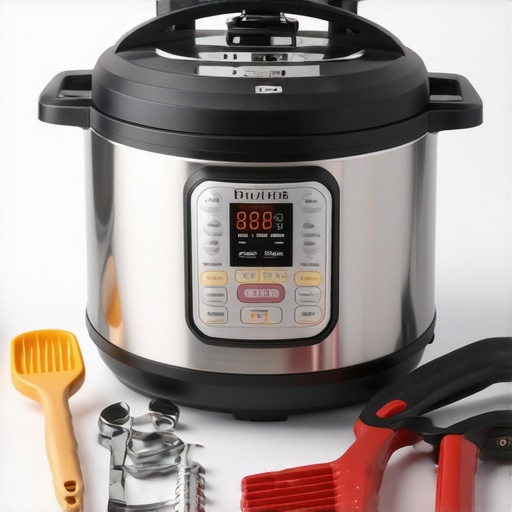
Beyond cleaning, replacing worn-out sealing rings is crucial for maintaining pressure levels and safety. I keep a couple of spare seals on hand; this way, I can swap them during routine cleanings or if I notice any loss of pressure. It’s a small investment that saves you headaches and extends the lifespan of your appliance. For detailed guidance, check out this expert guide.
When it comes to tools, I swear by a silicone-tipped tongs set for handling hot meats and vegetables without damaging non-stick surfaces. A digital thermometer helps me verify the internal temperature without guessing, ensuring meats are cooked safely and thoroughly. These tools collectively streamline your cooking process and reduce accidental damage, which is often a hidden culprit in appliance deterioration over time.
To keep your appliances performing optimally, regular descaling is essential, especially if you have hard water. I use a vinegar and water solution, running a brief pressure cycle to dissolve mineral deposits. This proactive approach keeps the heating element efficient and prevents calcification that can cause inconsistent cooking. For more in-depth tips, visit this comprehensive guide.
How do I maintain my multicooker over time?
The future is moving toward smarter, more connected appliances. I predict that automation and app-based maintenance reminders will become standard, helping users schedule regular cleaning and part replacements with minimal effort. Advanced models may even monitor internal components and alert you via your smartphone when routine maintenance is due, much like modern cars. To make the most of these innovations, stay updated with firmware updates and utilize manufacturer-supported cleaning routines.
One advanced tip is to incorporate a de-scaling tablet into your regular maintenance schedule, which can extend the time between professional inspections or repairs. This tiny step can significantly improve the device’s longevity and cooking consistency. Don’t hesitate to try this tip; it’s simple and highly effective for long-term upkeep.
Remember, a well-maintained appliance not only performs better but also ensures safety during operation. Incorporate these tools and routines into your regular kitchen practices, and you’ll find your multicooker or pressure cooker serving you reliably for years to come. For ongoing tips and tricks, explore this resource.
Lessons That Changed My Approach to Cooking Ahead
- One of my biggest surprises was realizing that tougher cuts of meat like chicken thighs and pork shoulder actually become even more tender after freezing and reheating, thanks to their higher connective tissue content. This was a lightbulb moment that shifted my entire meal prep game.
- Patience with proper cooling and portioning makes a world of difference. I used to rush the process, leading to freezer burn or loss of moisture, but now I know that careful handling ensures my proteins come out just as juicy and flavorful from the freezer as on day one.
- Investing in quality sealing and labeling equipment may seem trivial, but it locks in freshness and makes reheating effortless, saving me from unnecessary waste and guesswork.
- Understanding the science behind pressure cooking—like natural versus quick release—has helped me avoid the tough, rubbery textures I once struggled with, especially in delicate proteins like chicken breasts.
- Lastly, I learned that integrating moisture during cooking—via braising or cooking with broth—ensures proteins stay moist after freezing, making every meal feel freshly prepared.
My Go-To Resources That Keep My Kitchen Smarter
- This comprehensive pressure cooker guide helped me understand the nuances of different cooking techniques, saving me from common pitfalls and speeding up my meal prep routine.
- Food science studies like those found in Food Quality and Preference have deepened my understanding of how textures change with freezing and reheating, empowering me to choose the right proteins.
- Trusted brands and tools such as high-quality vacuum sealers and digital thermometers—I’ve tested and found them invaluable for consistency and safety—check out this advice for tips.
- Community forums and cooking blogs where I exchange tips and tricks with fellow enthusiasts—sometimes the best insights come from real-world experience rather than books.
- Manufacturer’s maintenance routines—like periodic descaling—help keep my appliances performing at their best, ensuring my investments last for years to come.
Your Next Step: Elevate Your Meal Prep Journey
Embracing these insights transforms your approach from guesswork to mastery, making pressure cooker proteins a reliable cornerstone of your weekly meals. Remember, every successful dish starts with understanding the nuances—don’t let common mistakes hold you back. If you’re ready to take your meal prep to the next level, dive into this essential resource that consolidates all the tips you need.
Have you ever struggled with keeping proteins moist after freezing? Share your experiences below—let’s learn and grow together!