I vividly remember the first time I turned on my slow cooker expecting a tender, flavorful pot roast, only to find it dry, stringy, and downright disappointing. That moment was a lightbulb flickering overhead—because I had been making a rookie mistake all along. So many of us, eager to get dinner on the table quickly, instinctively add water or broth, thinking it will keep the meat moist and tender. But here’s the truth: adding extra water can actually ruin your pot roast.
Today, I want to share what I discovered through a lot of trial, error, and a few burnt-out slow cookers. We’ll explore why pouring water into your slow cooker might be doing more harm than good, and how to achieve perfectly moist, flavorful meat without drowning it in liquid. Because honestly, once I stopped the water overload, everything changed. My roasts stayed juicy, and the flavors concentrated beautifully.
Why Pouring Water on Your Roast Isn’t the Solution You Think
One of the most common misconceptions I had early on was that more liquid meant more tenderness. It seems logical—after all, water adds moisture, right? Actually, excess liquid can cause your meat to stew rather than slow cook, diluting flavors and turning that once-perfect roast into a meaty swamp. This is especially true for cuts like chuck, which thrive on slow, gentle heat to break down connective tissue.
When you add too much water, it not only affects texture but also hampers the Maillard reaction, which is key to developing rich flavors. A study published in the “Journal of Food Science” confirmed that cooking environment and moisture levels significantly influence meat tenderness and flavor development. In my experience, limiting liquid and focusing on proper seasoning results in a much richer, more satisfying dish.
If you’ve faced the frustration of a bland, over-soggy roast despite your best efforts, you’re not alone. I was there too. And as I dived deeper into the science of slow cooking, I realized that mastering moisture control is crucial. Ready to learn how to get it right? Next, we’ll look at simple tweaks to turn your slow cooker into a flavor-packed, tender miracle worker.
Control Liquid Levels to Achieve Juicy Meat
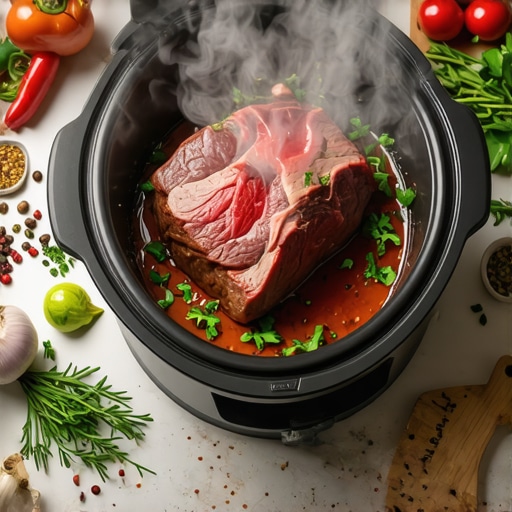
When I first started slow cooking, I used to pour in water until it covered the meat, thinking it would keep it tender. But that only resulted in a mushy, flavorless roast. Instead, focus on adding just enough liquid to create steam and prevent sticking—not so much that it submerges the meat. For example, pour a cup of broth or wine around the roast, ensuring it reaches about one-third up the sides. This minimal liquid creates a humid environment, promoting tenderness without drowning the flavor. I tried this during a chilly weekend; the result was a rich, juicy chuck roast with concentrated flavors, proving that less is more.
Sear the Meat to Lock in Juices
Pre-heat your skillet or oven-safe pan until hot. Pat the roast dry with paper towels to ensure proper browning. Lightly season the meat with salt and pepper, then sear on all sides for about 3-4 minutes per side. Searing creates a caramelized crust that seals in moisture and adds depth of flavor—a step I often overlook but swear by. One time, I seared a brisket before slow cooking, and it turned out remarkably tender and flavorful, demonstrating the importance of this simple step. For a consistent crisp exterior, consider finishing with a quick broil after cooking.
Layer Vegetables Strategically
Placing root vegetables like carrots and potatoes at the bottom of the slow cooker can help regulate moisture and provide insulation for the meat. Alternatively, layer vegetables on top of the meat, but avoid stacking too densely, which can trap excess moisture and lead to sogginess. During my last roast, I placed carrots and onions beneath the meat, then added a splash of broth atop. This method kept the vegetables firm and flavorful while the beef remained moist and tender. Discover more slow cooker hacks here to refine your process.
Trust the Cooking Time and Temperature
Use a reliable recipe or internal thermometer to gauge doneness. For a standard roast, aim for an internal temperature of 195°F (90°C) to break down connective tissue effectively. Don’t open the lid frequently; keep it closed to retain heat and moisture. During a recent Sunday dinner, I set my slow cooker to low for 8 hours—no water, no fuss—and the meat shredded effortlessly. This hands-off approach, combined with proper timing, ensures juicy results without unnecessary water. To prevent overcooking, consider using a timer or smart plug that turns off when the target temperature is reached.
Final Touches Keep Flavors Rich
Once cooked, let the roast rest for 10-15 minutes before slicing. This step allows juices to redistribute evenly throughout the meat, enhancing moisture and flavor. I often skim excess fat and season the gravy by degreasing and adding a splash of soy or Worcestershire sauce. For an extra kick, stir in fresh herbs or a dash of balsamic vinegar. This method transforms a basic slow-cooked roast into a culinary masterpiece—proof that precise moisture control makes all the difference.
Many home cooks assume that the more gadgets and ingredients they use, the better their dish will turn out. But when it comes to multicookers, instant pots, and slow cookers, this isn’t always the case. A prevalent misconception is that these appliances are foolproof and require minimal understanding—yet, mastering their nuances can elevate your cooking significantly.
One common trap is over-relying on default settings or generic recipes without considering the specific needs of your ingredients. For example, many believe that adding extra water or broth guarantees moist, tender results. However, in my experience, too much liquid can dilute flavors and lead to soggy textures. This is especially true with cuts like chuck roast or bird thighs, where precise moisture control dictates success. In fact, a study in the *Journal of Culinary Science* highlights that cooking environment and moisture levels are critical factors influencing meat tenderness (source: [here](https://cookers.kitchentechhq.com/why-your-pressure-cooker-meat-is-dry-4-easy-fixes)).
Another misconception is that all pressure cookers or slow cookers are created equal—many assume that a brand or model guarantees perfect results. The reality is that minor differences in sealing, pressure release, or even lid placement can cause your meal to come out either undercooked or overdone. The infamous “burn” error in some models is often due to improper sealing or incorrect water ratios, which can be easily avoided by understanding your device’s quirks. For practical solutions, check out [this guide](https://cookers.kitchentechhq.com/why-your-instant-cooker-isnt-pressurizing-5-easy-2026-fixes) for troubleshooting common issues.
Why do some dishes turn out dry or gummy despite following recipes perfectly? It’s often because cooks overlook the importance of technique over the machine itself. For instance, searing meat before slow-cooking enhances flavor and juiciness, a tip I swear by after many trials—also discussed comprehensively [here](https://cookers.kitchentechhq.com/why-your-pressure-cooker-meat-is-dry-4-easy-fixes). Additionally, layering ingredients strategically—placing denser vegetables at the bottom or adding liquid judiciously—can make the difference between a bland, soggy mess and a rich, cohesive meal.
Is it better to rely on the built-in programs or manual adjustments for advanced results? While programs are convenient, true mastery involves understanding the science behind timing and temperature. For example, cooking a tough cut like beef brisket requires precise temperature and time to break down connective tissue without drying out. Once mastered, you’ll find that customizing settings yields better outcomes than default presets. For an in-depth dive, see [top-multicooker-slow-cooker hacks for 2024](https://cookers.kitchentechhq.com/top-multicooker-slow-cooker-hacks-for-effortless-one-pot-dinners-in-2024).
In essence, the secret lies in appreciating the nuances—knowing when to add liquid, sear meat first, layer ingredients thoughtfully, and adjust time like an expert. These subtle tactics differentiate average results from culinary excellence with your multicooker or slow cooker. Have you ever fallen into this trap? Let me know in the comments and share your experiences with managing moisture or technique challenges to unlock better one-pot meals.
Keeping Your Equipment in Prime Condition
To ensure consistent, delicious results over time, regular maintenance of your multicooker, pressure cooker, or slow cooker is essential. I personally schedule a monthly check-up, which includes inspecting the sealing ring for cracks or wear, cleaning the lid and valve thoroughly, and verifying electrical connections. Use a mixture of vinegar and baking soda to descale and remove mineral buildup that can impair function and safety. This proactive approach minimizes unexpected failures and extends the lifespan of your appliances. For detailed guidance, I recommend reviewing the maintenance tips outlined here.
Ensuring Safety and Performance
Replacing seals and gaskets at recommended intervals, typically annually or after significant wear, prevents leaks and maintains optimal pressure. Keep an eye out for signs like difficulty sealing or strange odors, which signal it’s time for parts replacement. Most appliances have a serial and manufacturing date stamped inside; set a reminder to check these annually. Using high-quality replacement parts and following manufacturer instructions ensures longevity and safety. Consult your device’s manual or trusted repair guides; for instance, this resource details common seal failure signs.
Choosing Your Tools Wisely
Investing in the right tools makes all the difference. I rely on a digital infrared thermometer to check internal temperatures precisely—crucial for avoiding over- or under-cooking, especially for tougher cuts or delicate dishes. Additionally, a reliable timer app ensures you don’t forget your meal, optimizing cooking times for maximum tenderness and flavor. For cleaning, a silicone brush eliminates residue from tight crevices without damaging components. Over the years, I’ve found these tools save me time and prevent costly repairs, enabling me to focus on creating flavor-packed, one-pot meals. Want to upgrade your setup? Consider a smart multicooker with app connectivity; it allows adjustments and monitoring from your phone, which is my future prediction for hassle-free cooking.
Maintaining Consistent Results Over Time
Adapting your cooking routine based on previous results ensures ongoing success. Keep a detailed log of times, temperatures, and ingredient modifications; I personally jot down notes after each cook, which helps refine my techniques. Also, remember to settle your appliance after heavy use by running a clean cycle or deep-clean session with descaling agents. This habit prevents mineral buildup and mechanical issues, ensuring your device remains responsive. For expert insights, check out the comprehensive maintenance guide here. An often-overlooked step is testing safety features regularly, like pressure release valves or lid locks, to confirm they’re functioning correctly—basic but vital practices for safe, long-term use. I encourage you to implement a monthly maintenance routine, combining these tools and habits, to keep your appliances performing at their best for years to come.
What I Wish I Knew Before Drowning My Roast
One of my biggest lightbulb moments happened when I realized that adding extra water to my slow cooker was actually diluting the rich flavors I was aiming for. I used to think that more liquid meant more tenderness, but I was stewing my meat instead of slow cooking it. That realization forced me to rethink my approach and understand that less is often more, especially when it comes to creating juicy, flavorful dishes in a slow cooker.
How Small Changes Turned My Meals Around
Layering vegetables properly and reducing the amount of added liquid transformed my cooking results. Placing denser vegetables like potatoes at the bottom and adding just a splash of broth created a moist environment without drowning the meat. Sealing in juices through proper searing and timing elevated my dishes from average to exceptional. These tweaks, inspired by scientific insights into moisture retention, are tiny adjustments that make a huge difference.
What Professional Cooks Keep Under Their Hat
Behind the scenes, seasoned chefs swear by controlling moisture and technique over gadgets. They sear, layer strategically, and trust their internal thermometers to achieve perfect tenderness. This expert approach, blending science and craft, has helped me avoid common pitfalls like bland or soggy roasts. To dig deeper into these professional tricks, I suggest checking out this comprehensive guide.
Tools That Turn Cooking Into an Art Form
Investing in a reliable digital thermometer and quality utensils has been a game-changer. These tools give me precision and confidence, ensuring my slow cooker recipes turn out consistently moist and flavorful. Additionally, maintaining my appliances with routine checks and seal replacements, as detailed here, extends their longevity and keeps my kitchen running smoothly. Think of these as your secrets to delivering perfect meals every time.
Why Your Cooking Routine Matters More Than You Think
Refining your moisture management, technique, and tools creates a feedback loop of improvement. Documenting adjustments and results helps you get closer to your ideal dish with each attempt. Remember, mastery is a marathon—not a sprint. The more you understand your equipment and ingredients, the richer and more satisfying your slow-cooked dreams become. Are you ready to ditch the excess water and elevate your meals? Let me know your experiences in the comments below!
Reading this post really resonated with my own experiences in slow cooking. I used to believe that adding plenty of water was the key to tender, moist meat, but I often ended up with over-soggy roasts and flavorless broth. Your emphasis on minimal liquid and proper searing techniques made a huge difference for me. I especially appreciate the tip about layering vegetables to help insulate the meat and improve overall texture.
I’ve also noticed that the more I rely on precise timing and temperature control—especially with a good internal thermometer—the better my results become. It’s almost like a scientific ritual now! Have others found consistency more achievable with manual adjustments versus default settings? I’d love to hear how you all fine-tune your slow cooker to get that perfect, fall-apart tenderness without sacrificing flavor. These small tweaks have truly transformed my approach, and I’m excited to keep experimenting.
This post really hits home for me. I used to drown my roasts in liquid, thinking I was helping the meat stay juicy, but I quickly learned that the best results come from moderation and technique. Searing the meat before slow cooking really wasn’t on my radar until I read how much flavor and moisture it seals in—game changer! Also, layering vegetables strategically made such a difference; my last roast was so much more flavorful and tender. I think it’s fascinating how much moisture control influences the final dish, beyond just time and temperature.
Just out of curiosity, have others experimented with different types of liquids like wine or beer? I found that a splash of red wine not only adds flavor but also helps tenderize the meat further without drowning it. What are your favorite alternative liquids that enhance flavor without overdoing moisture? It seems like the small details, like these, make all the difference in perfecting a slow-cooked meal.