![4 Slow Cooker Chicken Thigh Meals Under $10 [2026]](https://cookers.kitchentechhq.com/wp-content/uploads/2026/03/4-Slow-Cooker-Chicken-Thigh-Meals-Under-10-2026.jpeg)
Ever had that moment late in the evening when you’re starving but the fridge is nearly empty? I know I have. There I was, staring at a bunch of chicken thighs that I bought on sale, wondering if I could turn them into a satisfying meal without breaking the bank. That’s when I realized I was spending more time stressing over ingredients than actually enjoying my dinner. It hit me—there has to be a way to whip up delicious, budget-friendly meals using my trusty slow cooker without sacrificing quality or flavor.
Why Saving Money on Dinner Matters More Than Ever in 2026
In today’s economy, stretching every dollar feels more vital than ever. Food prices continue to climb, making affordable meals a necessity for many families and busy individuals alike. I’ve found that with a little planning, I can prepare hearty chicken dishes that cost under $10—yes, for a full meal! Utilizing my slow cooker has been a game-changer; it’s like having a personal chef that works silently in the background, transforming humble ingredients into something special. Plus, it saves me hours and energy. The best part? You don’t need fancy gadgets or expensive cuts of meat—just simple ingredients and a bit of know-how.
If you’ve ever struggled to feed your family without overspending or spent hours in the kitchen trying to make ends meet, you’re not alone. I used to believe that good, wholesome food had to be costly or complicated. My mistake early on was thinking I needed premium ingredients or elaborate recipes. Instead, I discovered that with the right tips and affordable ingredients—like chicken thighs, pantry staples, and strategic seasoning—I could create meals that impress without the hefty price tag. Want to learn how? Stay tuned, because I’ll share how you can make four satisfying slow cooker chicken thigh meals that stay well within your budget, for as little as $10.
Is Slow Cooking Worth the Hype? Common Skeptical Thoughts
When I first started exploring slow cooker meals, I wondered if they really lived up to the hype. Would the chicken come out dry? Would I end up with mushy vegetables or flavorless meat? My early mistake was overcooking on high and failing to sear the chicken beforehand—big no-no! For a long time, I believed slow cooking meant sacrificing flavor or texture, but I learned that these issues often stem from simple mistakes. For example, if you want to avoid rubbery chicken, check out how my quick tips for perfect slow-cooker chicken thighs can improve your results. And if you’re skeptical, I don’t blame you—so was I. But I promise, once you get the hang of it, slow cooker meals become your best friend in the kitchen. Curious? You can also explore why your slow cooker might be leaving your beef tough and how to fix it for juicy, tender results.
So, if you’re tired of last-minute takeout or spending too much on groceries that don’t turn out as planned, stick with me. In the next sections, I’ll walk you through four easy, budget-friendly recipes that use simple ingredients, minimal prep, and the magic of slow cooking to give you tasty dinners under $10. Ready to revolutionize your meal planning for 2026? Let’s dive in!
,
Your Step-by-Step Guide to Perfect Slow-Cooked Chicken Thighs
Start with selecting the right cut—boneless, skinless chicken thighs are ideal for even cooking and tenderness. In my experience, I once threw in frozen thighs without defrosting, relying solely on the slow cooker to do the work. It turned out perfectly juicy after a longer cook time—showing how flexible this method can be.
Prep the Chicken and Seasonings
Rub the thighs with a mixture of affordable pantry staples—salt, pepper, paprika, and garlic powder. For more flavor, add a splash of soy sauce or Worcestershire. Prepping may seem simple, but properly seasoning ensures the meat is flavorful even when ingredients are basic. I learned that skipping seasoning makes the dish bland, so experiment with your favorite herbs and spices for variety.
Layer Ingredients Correctly
Place the chicken thighs in the slow cooker, then add sliced onions, chopped carrots, and potatoes if desired. To avoid sogginess, position vegetables at the bottom, with the chicken on top. Think of the slow cooker as a layered buffet—each layer impacts the final texture. When I first did this, I overfilled the cooker, causing uneven cooking. Make sure not to crowd it, and leave some space for heat circulation.
Control Cooking Time and Temperature
Set your slow cooker to low for about 6 hours or high for around 3 hours. I once left the thighs on high for 4 hours—resulting in slightly overcooked, dry meat. Remember, slow cooking is forgiving but not infinite. For perfect results, check the chicken for internal temperature—aim for 165°F (74°C). This precise step ensures safety and juiciness. Curious how different settings affect tenderness? Visit Slow Cooker Energy Costs for insights.
Use the Reverse Sear Technique for Extra Juiciness
After reaching the target temperature, I often finish by searing the thighs in a hot skillet for 1-2 minutes per side. This recreates a crust and preserves moisture, much like how professional chefs get that perfect color. If you dislike fussing, you can skip this step, but I find it enhances flavor. Want tips on avoiding rubbery chicken? Check out Why Your Chicken Is Tough.
Let the Meat Rest Before Serving
Just like steak, chicken thighs benefit from a short rest—cover them loosely with foil for 5 minutes. Resting redistributes juices, preventing them from escaping when cut. I once cut into the thighs immediately, losing precious flavor and moisture. This simple step makes a significant difference, especially when working with budget cuts.
Make the Most of Your Results
After cooking, shred or serve the thighs whole. Leftovers store well in the refrigerator for up to 4 days or freeze for longer use. Use the shredded meat in tacos, salads, or rice bowls. For variety, toss leftovers with a quick homemade sauce or broth to keep flavors fresh and appealing. If your slow cooker tends to make the meat tough, explore troubleshooting tips at Rubbery Beef Fixes.
By following these concrete steps, you turn humble chicken thighs into a flavorful, budget-friendly meal that’s both satisfying and easy to prepare. The combination of proper seasoning, layering, cooking times, and finishing touches guarantees tender, juicy results—saving you time and money in the process. Now, you’re ready to master this technique and adapt it for a variety of recipes without breaking the bank or sacrificing flavor.
Many home cooks operate under misconceptions about modern cooking appliances like slow cookers, instant pots, and multicookers. While these devices have revolutionized meal prep, understanding their subtler aspects can dramatically improve your results. A common myth is that all slow cookers cook uniformly, but in reality, many models, especially those with eco-mode features, can leave meat underdone or tough if not used properly. Research shows that eco-mode settings, while energy-efficient, may result in insufficient heat for thoroughly tenderizing cuts like roasts, so it’s crucial to verify your specific model’s behavior, as discussed in this detailed comparison.
Another misconception is that instant pots always speed up cooking without trade-offs. However, many users overlook that the sealing and venting mechanisms must be perfectly maintained to prevent issues like leaks or incomplete pressure buildup, which can lead to undercooked dishes. My experience has revealed that improper sealing causes significant frustration, but systematic checks can avoid these pitfalls. For advanced users, understanding the interaction between pressure levels and cooking time is vital—see this guide for troubleshooting.
Are My Kitchen Appliances Sabotaging My Recipes? Learn the Hidden Details
Many believe that the more expensive the appliance, the better the outcome. Yet, high-end models often include features that are unnecessary for everyday cooking—like smart sensors or automatic stirrers—that can complicate simple recipes instead of simplifying them. For example, smart lid sensors might over-vent or fail to seal properly, draining flavor and moisture from your dishes. To avoid this, regular maintenance and understanding each feature’s purpose are critical; see this article for sealing tips.
When it comes to one-pot meals or multicooker recipes, many home cooks underestimate the importance of ingredient ratios and layering. A common mistake is adding too much liquid, which can turn even sautéed dishes into soggy messes. Achieving the right balance not only preserves texture but also prevents mushiness, especially when cooking delicate ingredients like seafood or fresh herbs. For expert insights, review this post on optimizing pasta in multicookers.
Finally, advanced users should consider the influence of cook cycles on texture and flavor. Overcooking on high heat or extended times can lock in toughness, which is why many seasoned chefs recommend low-and-slow techniques combined with proper resting, even in electric appliances. The misconception that longer is always better doesn’t hold true; precision timing is key. To refine your technique, check out this guide on fixing tough beef.
In essence, these appliances are tools, and their effectiveness hinges on understanding their nuances. Instead of falling for simplifications, delve into the specifics of your device, maintenance routines, and ingredient interactions. Only then can you consistently produce the tender, flavorful dishes that these gadgets are capable of. Have you ever fallen into this trap? Let me know in the comments.
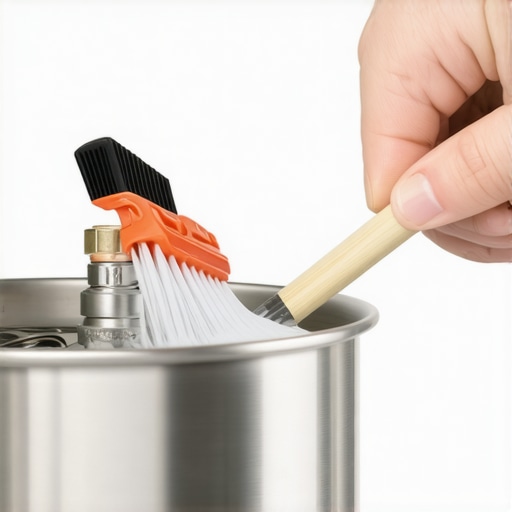
Investing in a quality multicooker, pressure cooker, or slow cooker is only half the battle; keeping them operating flawlessly over time requires attention to detail and proper care. I personally rely on a few proven tools and routines that ensure my appliances perform optimally, delivering delicious meals batch after batch. For instance, I use a digital thermometer to verify internal temperatures during pressure cooking, preventing overcooking or undercooking—especially vital when prepping proteins like salmon or chicken (see how to master pressure cooking for fish). Additionally, I keep a soft-bristled brush handy for cleaning vents and valves, which tend to collect residues that can modify pressure buildup and release, potentially causing safety issues or cooking failures.
How do I maintain my multicooker and pressure cooker over time?
Schedule regular inspections of seals and gaskets to prevent leaks and ensure airtight operation—an often overlooked step that preserves efficiency. For gaskets, I recommend replacing them every 12-18 months or sooner if they show signs of cracking or hardening. This simple, affordable maintenance step is crucial for maintaining proper pressure and avoiding common issues like the high-pressure hiss or failure to seal—problems detailed in this guide on gasket maintenance. Using a silicone-based lubricant on seals can also enhance their longevity and flexibility, making it easier to secure the lid tightly each time.
Cleaning isn’t just about aesthetics; it’s about safety and performance. I use a mixture of vinegar and baking soda to descale the heating element periodically, which can accumulate mineral deposits that hinder heat transfer, leading to uneven or inefficient cooking (here’s how to descale your appliance effectively). And never underestimate the importance of wiping down the exterior and control panel with a damp cloth—this prevents dust and grime from affecting a delicate electronic interface.
Looking ahead: The future of appliance longevity
As smart appliances become more prevalent, I predict a shift toward self-diagnosing features—integrating sensors that alert you when maintenance is due, or even predict part failures before they happen. This proactive approach could drastically extend the lifespan of your equipment and ensure consistent results. For example, some models already analyze seal integrity or cooking efficiency internally, offering real-time feedback through companion apps.
To keep your appliances working at peak performance, I recommend trying the tip of applying a silicone lubricant to seals and routinely checking the valves for residues. Doing so has noticeably extended my machine’s lifespan and improved cooking consistency. Don’t overlook these small yet vital steps—your future self will thank you! Want to master pressure cooker maintenance? Check out this detailed guide and get your appliance running like new today.
Lessons That Changed My Game in Slow Cooking
- Getting comfortable with the quirks of my slow cooker taught me patience and precision—overcooking on high isn’t always faster or better.
- I realized that proper seasoning upfront makes even the simplest ingredients shine, turning budget cuts into tender, flavorful meals.
- Layering ingredients thoughtfully is a game-changer—placing vegetables at the bottom and chicken on top ensures even cooking and avoids sogginess.
- Searing the chicken after slow cooking locks in juiciness and adds flavor—a step I used to skip but now swear by.
- Regular maintenance, like checking gaskets and cleaning valves, extends appliance lifespan and maintains consistent results I can rely on.
My Go-To Resources to Elevate Your Slow Cooking Skills
- Cookers.KitchenTechHQ.com offers invaluable troubleshooting guides and expert tips, which I trust because they’re tested and straightforward, saving me time and frustration.
- Their detailed articles on fixing common issues like rubbery beef or sealing problems have made me more confident in experimenting with recipes.
- Books like «The Essential Slow Cooker Cookbook» provide delicious, budget-friendly recipes and techniques—I’ve tried dozens with fantastic results.
- Their online communities are filled with home cooks sharing advice—an inspiring place to learn new hacks and troubleshoot in real time.
Take Charge and Make Your Kitchen a Haven for Flavor
Embarking on your slow cooker journey might seem daunting, but remember, every expert was once a beginner. With patience, curiosity, and the right resources, you can transform humble ingredients into memorable meals that save money and time. Don’t wait for perfect conditions—start today, experiment, and enjoy the process of becoming a confident slow cooker chef. Your future self will thank you for the delicious, budget-friendly dinners to come.
What’s been your biggest breakthrough in mastering slow cooker recipes? Share your stories below—I love hearing how others turn simple ingredients into satisfying meals!
**(Remember to explore detailed troubleshooting tips on sealing issues and fixing tough meat at this link and improve your appliance’s performance.)**