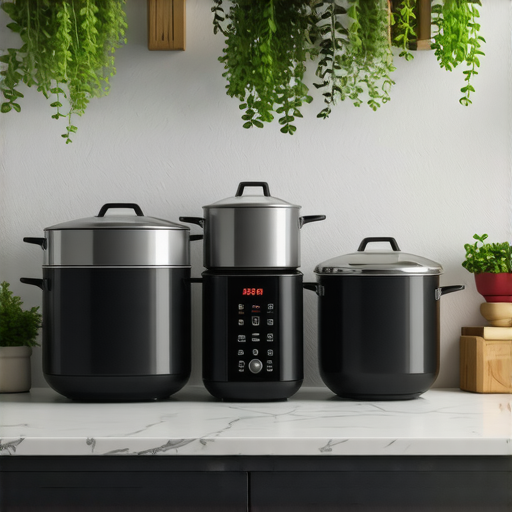
Ever had that moment where you’re starving, but your kitchen feels like a battlefield of dirty dishes and half-finished recipes? I know I have. There was a time when I spent more time cleaning up after dinner than actually enjoying it. Then I discovered the magic of pressure cookers, but honestly, my first attempts were hit-or-miss. I’d overcook, undercook, or worse—burn the bottom and ruin a good meal. That lightbulb moment? Realizing that with the right tips, I could whip up quick, tasty, one-pot dinners that made life so much easier. If you’re tired of spending hours in the kitchen or battling with complicated recipes, this post is for you. I’ll share tried-and-true pressure cooker tips that will make your dinners not only faster but also more flavorful than ever.
Why Pressure Cookers Are Game Changers for Weeknight Dinners
Pressure cookers have been around for ages, but their modern counterparts are a whole new level of convenience. They cut down cooking time dramatically—some recipes in a fraction of the usual hours. Plus, one-pot meals mean fewer dishes, less mess, and more time to relax or spend with your family. According to a recent survey, 75% of home cooks say they use their pressure cooker more than they expected, thanks to how versatile and reliable it is. But, here’s the catch: many folks still hesitate because they worry about complicated settings or ruined meals. Trust me, I made that mistake early on—trying to wing it without proper guidance. That’s why I’ve gathered the best tips to help you avoid common pitfalls and unlock the full potential of your pressure cooker.
What’s the Real Secret to Perfect One-Pot Dinners?
The magic lies in understanding your pressure cooker—its quirks, settings, and the little tricks that make all the difference. For example, knowing how to build flavor quickly with proper sautéing before pressure cooking can elevate your dish from bland to gourmet. Also, mastering pressure release methods ensures your meal stays tender and doesn’t turn to mush. I used to rush through the process, only to end up with overcooked vegetables or under-seasoned meat. It was frustrating, and I wondered if I’d ever get it right. But after some trial and error, I discovered that a few simple adjustments transformed my cooking. For more detailed guidance, check out this comprehensive multicooker guide.
So, if you’ve faced the same struggles—burnt rice, watery stews, or hours spent over a hot stove—you’re not alone. The good news? With the right pressure cooker tips, you can turn even the busiest weeknights into a culinary success. Ready to dive into the practical steps? Let’s get started and make dinner time your favorite part of the day!
,
Prepping Your Ingredients for Success
Start by gathering all your ingredients before you turn on the pressure cooker. Chopping vegetables uniformly ensures they cook evenly, preventing mushy or undercooked bits. When I made a beef stew last week, I pre-cut carrots and potatoes into similar sizes, which helped everything reach perfect tenderness at the same time. Use fresh herbs and seasonings early in the process to build layers of flavor. Remember, a well-prepped ingredient set saves time and reduces stress during cooking, much like assembling a puzzle before fitting pieces together.
Building Flavor the Right Way
Use the sauté function to brown meats and toast spices before pressure cooking. This step is crucial for depth of flavor. I once skipped this step and ended up with a bland chicken curry. When I started sautéing onions, garlic, and spices first, the dish transformed, and the aroma alone was worth it. Think of this as giving your ingredients a head start, much like a race where the early lead makes all the difference. For more expert advice, check out this guide on essential pressure cooker secrets.
Mastering Pressure Settings and Timing
Different recipes require different pressure levels—high or low—and knowing when to switch between them is key. For tender meats, high pressure for a shorter time locks in juices; for delicate vegetables, low pressure prevents overcooking. I once overcooked green beans because I used high pressure too long; now, I set a timer and switch to natural release for meats, but quick release for vegetables. Think of pressure as a controlled explosion—too much or too little can spoil your dish. Always follow the recipe’s recommended settings, but adjust based on your specific model. For a quick rundown, visit quick pressure cooker recipes.
Perfecting Pressure Release Methods
Don’t rush the pressure release—know when to use natural or quick release. Natural release allows residual heat to finish cooking, yielding tender results. I learned this the hard way when I tried quick release on a beef stew; the meat was tough, and the broth was cloudy. Instead, I now let the pressure subside naturally for 10 minutes, then carefully open the valve for a clean, flavorful meal. Think of this like letting a pressure cooker breathe—patience makes perfect dishes. If you need a quick guide, see ultimate multisooker guide.
Finishing Touches That Elevate Your Meal
Once the pressure is released, stir in fresh herbs, a squeeze of lemon, or a drizzle of olive oil to brighten flavors. For creamy dishes, add a splash of coconut milk or cheese right after opening. I once topped my chili with shredded cheese and chopped cilantro, transforming it into restaurant-quality fare in minutes. Think of this step as icing on a cake—small tweaks that make a big difference. Keep your seasonings balanced by tasting and adjusting as needed, ensuring every bite is flavorful and satisfying.
With these core techniques, your pressure cooker can be your best kitchen ally for quick, delicious, and foolproof one-pot meals. Remember, practice makes perfect—each attempt will teach you something new about your device and your tastes. Dive into more tips and recipes at top multicooker tips and watch your dinner game reach new heights!
Many folks believe that mastering a pressure cooker is just about setting the right time and pressure, but there’s a subtle trap that even seasoned cooks often fall into. The common myth is that once you’ve learned the basics, you can ignore the finer details. However, this misconception can lead to overcooked vegetables, bland stews, or even ruined batches. Let’s dig deeper into what most people get wrong and how to elevate your pressure cooking game.
Why Do Many Think All Pressure Cookers Are the Same?
One of the biggest mistakes is assuming that all pressure cookers behave identically. In reality, different models have unique quirks—some release pressure quickly, others slowly; some retain heat longer. Ignoring these differences means you might overcook or undercook your meals consistently. For example, high-end models often have more precise pressure controls, which help in achieving consistent results. In contrast, cheaper models may require more trial and error. For advanced cooks, understanding your specific device’s nuances can make the difference between a good meal and a great one. You can find tips tailored to your cooker in this guide on one-pot pressure cooker meals.
Common Mistake: Rushing the Pressure Release
Many home cooks rush to open the pressure valve as soon as the timer ends, thinking it saves time. But this shortcut often ruins the dish—especially with delicate ingredients. Natural pressure release allows residual heat and steam to finish cooking, ensuring tender meat and perfectly cooked veggies. Skipping this step can turn your meal into a mushy mess or a broth with floating vegetables. The ‘Oops’ factor here is real; rushing can also cause safety hazards. Patience is key. For seasoned advice, check out this expert guide.
How Can Advanced Users Optimize Pressure Settings?
While beginners stick to basic recipes, experienced cooks know that adjusting pressure levels and timing based on ingredients is crucial. For instance, cooking a tough cut of meat at high pressure for the right duration locks in juice, but overdoing it makes the meat fall apart. Conversely, cooking delicate fish at low pressure prevents disintegration. The key is to understand the science behind pressure and heat transfer—this often involves slight modifications to standard recipes. A good rule of thumb is to start with recommended settings but tweak based on your familiarity with your device. To understand these nuances better, explore this detailed secret guide.
Have you ever fallen into this trap? Let me know in the comments. Remember, the devil is in the details, and mastering these hidden nuances will turn you into a pressure cooker pro in no time.
Keeping your pressure cooker in top shape is crucial for consistent performance and safety. Over time, even the best appliances need regular maintenance to prevent issues like gasket wear, pressure inconsistencies, or buildup of food residues. Personally, I’ve found that a disciplined maintenance routine extends the lifespan of my pressure cooker and ensures every meal turns out perfectly.
How do I maintain my pressure cooker over time?
One of the most important steps is regular cleaning, especially of the gasket, valves, and lid. I make it a point to remove and wash the gasket after every use, inspecting it for cracks or signs of wear. Replacing the gasket every 12-18 months is a good rule of thumb—trust me, a worn gasket can compromise safety and cooking results. For the valves, I rinse them thoroughly to prevent blockages that can affect pressure regulation. Using a soft brush, I clean out any food particles from the valve openings, which can otherwise cause pressure fluctuations or leaks.
Another critical aspect is checking the pressure release mechanisms. If your cooker has a safety valve or quick-release button, ensure they operate freely and are free of debris. Applying a small amount of silicone-based lubricant on the gasket periodically can keep it pliable, maintaining an airtight seal. Remember, a well-maintained gasket and valve system mean fewer surprises when you are halfway through cooking a delicious meal.
In the long run, investing in quality tools makes a significant difference. For example, I use a silicone gasket scraper that helps me remove stubborn food residues without damaging the gasket. This simple tool has saved me from unnecessary replacements and ensures my pressure cooker always performs optimally.
What tools do I recommend for pressure cooker upkeep?
Beyond basic cleaning tools, I recommend a gasket replacement kit, which includes the gasket, safety valve, and sometimes a sealing ring. Having these on hand allows for quick replacements, minimizing downtime. I also rely on a soft-bristled brush and a small, gentle scraper for cleaning hard-to-reach areas. For checking the pressure release valves, I use a magnifying glass to inspect for cracks or debris, ensuring safety and precision.
Additionally, I keep a bottle of silicone lubricant specifically designed for kitchen appliances. It’s safe, effective, and helps extend the life of the gasket. Many modern pressure cookers also come with a maintenance guide—reading this regularly can prevent common issues before they arise.
Looking ahead: The future of pressure cooker maintenance
As technology advances, I predict that future pressure cookers will incorporate smart sensors to monitor gasket wear and pressure valve health, alerting users when maintenance is needed. This will make upkeep even easier and safer. Until then, sticking to a regular maintenance schedule with reliable tools ensures your cooker remains a trusted kitchen companion for years to come.
If you want to streamline your pressure cooker routine, I highly recommend trying out a comprehensive gasket replacement kit and setting a quarterly cleaning schedule. Being proactive now saves headaches later—and keeps your meals delicious every time.
For more detailed tips on maintaining your kitchen appliances, check out top multicooker tips.
The Hardest Lesson I Learned About Pressure Cooking
One of my biggest mistakes was rushing the pressure release. I used to think that opening the valve immediately after cooking saved time, but I often ended up with overcooked vegetables or a watery stew. The lightbulb moment was realizing that patience during natural release locks in flavors and keeps everything tender. This lesson transformed my approach and made my meals consistently better.
My Favorite Tools That Keep My Pressure Cooker Running Smoothly
I swear by a quality gasket replacement kit and a soft-bristled cleaning brush. These tools help me maintain a perfect seal and keep my cooker in top shape. I also keep a silicone lubricant on hand to extend gasket life, which saves me money and prevents unexpected kitchen mishaps. Trusting these tools has made pressure cooking more reliable and enjoyable.
What Cooking Has Taught Me About Patience and Precision
Pressure cooking isn’t just about setting timers; it’s about understanding your device’s quirks and respecting the process. Adjusting pressure levels for different ingredients—like high pressure for tough meats and low for delicate fish—has taught me to pay attention and be flexible. This skill has elevated my cooking from guesswork to a science, resulting in dishes that are consistently delicious.
Curated Resources to Elevate Your Pressure Cooking Game
- Ultimate Multicooker Guide — This comprehensive guide helped me understand the nuances of different models and their settings, making me a more confident cook.
- Best Pressure Cooker Recipes — Tried-and-true recipes that work every time, saving me from guesswork during busy weeknights.
- Expert Guide to Pressure and Slow Cookers — This resource deepened my understanding of pressure levels and timing, helping me tweak recipes with confidence.
- Essential Pressure Cooker Secrets — Packed with insider tips that transformed my cooking results from average to restaurant quality.
Step Into the Future of Pressure Cooking—Your Next Delicious Meal Awaits
Now that you know the secrets and have the right tools, it’s your turn to create effortless, flavorful one-pot dinners with your pressure cooker. Embrace patience, experiment with settings, and enjoy the process—your taste buds will thank you. What’s the first pressure cooker recipe you’re excited to try? Share below and let’s inspire each other to cook smarter, not harder!
This post really hits home for me! I used to think that pressure cookers were complicated and easy to mess up until I started following some of these tips. I’ve found that prep work is crucial—I always gather and chop everything ahead of time to streamline the process and avoid rushing. I also agree about the importance of patience during pressure release; rushing never ends well. I’ve experimented a lot with different pressure settings, especially when cooking tougher cuts of meat versus vegetables, and now I understand how adjusting these can dramatically improve results. One thing I’d add is the benefit of using natural release for stews and tougher meats, which keeps everything tender and flavorful. How do others handle the timing for delicate ingredients like fish or greens? Do you switch to quick release, or do you stick with natural to preserve texture? I’d love to hear your experiences and tips—they’ve been a game-changer for me!
I really appreciate this detailed post! I’ve been using my pressure cooker for a while, but I’m still learning how to perfect delicate ingredients like fish or greens without overdoing it. My go-to has been natural release for most dishes, but I’ve noticed that quick release seems to preserve better texture for some vegetables. Has anyone found a reliable method for balancing tenderness with maintaining texture? Also, I’ve started experimenting with different pressure levels depending on the dish—high for tough meats, low for seafood— and it’s made a noticeable difference. The key in my experience is timing and patience, which I see is echoed here. I’d love to hear if anyone has specific tips for avoiding overcooking quick-cooking ingredients like green beans or leafy greens in the pressure cooker. Do you adjust the cooking time or pressure, or do you prefer a quick release method? Sharing your tried-and-true techniques would definitely help build confidence and improve our cooking results! Thanks for all the valuable tips—this post has been a real eye-opener.