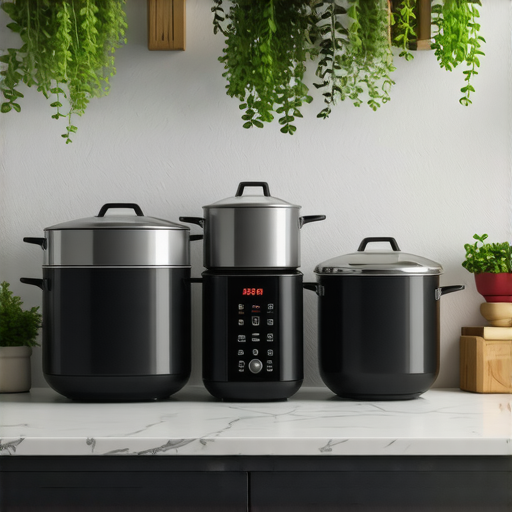
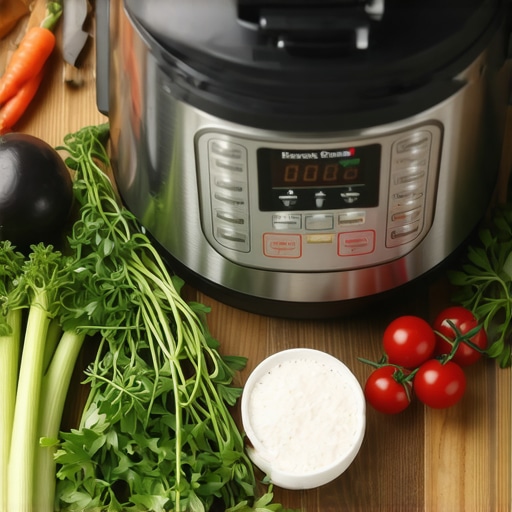
Ever had that moment where you open your fridge, stare at the ingredients, and think, “There’s gotta be a better way to get dinner on the table fast”? I’ve been there more times than I can count. And let me tell you, trying to juggle work, family, and a decent meal often felt like an impossible puzzle—until I discovered the magic of pressure cookers. The first time I underestimated how long it would take to cook a simple stew, I almost gave up. But after a few missteps, I finally cracked the code. Now, I swear by my pressure cooker for whipping up quick, tasty, one-pot meals that save me time and sanity.
Why Pressure Cookers Are Game-Changers for Busy Lives
There’s something almost revolutionary about how pressure cookers transform what used to be a lengthy process into a 30-minute miracle. They seal in flavor, cut down cooking time, and clean up a lot of pots and pans in the process. I used to spend ages simmering stews or waiting for rice and beans to cook. Now, I pop everything into my pressure cooker, set the timer, and go about my day. It’s like having a culinary wizard in your kitchen—minus the wand, of course. Plus, with the right recipes, you get rich, tender dishes that taste as if they’ve been slow-cooked all day, but in a fraction of the time.
If you’re skeptical about whether these gadgets are worth the hype, I get it. I used to think they were complicated or unsafe. Early on, I made the mistake of not reading the manual properly—big no-no. I remember a time I tried to rush my meal and didn’t release pressure correctly, which led to a messy kitchen and a lesson learned. That’s why I always recommend checking out trusted sources like this ultimate guide to avoid rookie mistakes and get the best results every time.
Is the hype around pressure cookers justified, or just another kitchen fad?
This is the question many beginners ask, and honestly, it’s worth exploring. The truth is, when used correctly, pressure cookers can revolutionize your cooking routine. They’re safe, efficient, and versatile. But like any tool, they need to be handled with a bit of know-how. That’s where some simple hacks can make a world of difference—like ensuring your seal is tight or knowing how to quick-release pressure safely. Once you master these basics, you’ll wonder how you ever managed without it.
So, if you’ve ever faced the frustration of long cooking times or the mess of multiple pots, I promise, there’s a solution. And that’s what I’ll show you in the upcoming sections. We’re about to dive into easy, practical recipes and tips that will turn your pressure cooker into your new best friend for quick, tasty, one-pot meals.
Choose the Right Equipment and Prepare Your Ingredients
Start by selecting a reliable pressure cooker or multicooker, such as the Instant Pot or a traditional model. Read the manual thoroughly to understand safety features and operation. Gather all ingredients beforehand and chop vegetables, measure spices, and prepare proteins. This prep saves time during cooking and ensures a smooth process. For example, I once chopped vegetables the night before, which cut my dinner prep time by half the next day.
Layer Ingredients Strategically
Place ingredients in the pot in the correct order to optimize pressure and flavor. Typically, hard vegetables or root vegetables go at the bottom, followed by proteins, then softer ingredients like rice or pasta on top. Add liquids last—usually at least one cup of broth or water—to generate steam. When I made beef stew, I layered carrots and potatoes at the bottom, then added browned beef, and poured in broth. This layering ensures even cooking and flavor distribution.
Set the Correct Cooking Program and Time
Use the pressure cooking mode with appropriate time settings. Most recipes for one-pot meals require 10-30 minutes under pressure, depending on ingredients. For example, I once cooked a chicken and rice dish in 12 minutes, and it turned out tender and flavorful. Consult trusted recipes or guides like this resource to determine ideal times.
Monitor and Adjust During Cooking
Keep an eye on the pressure indicator or digital display. If your cooker has a quick-release function, use it carefully to release pressure safely once cooking finishes. I once forgot to quick-release and had a slight overcooking, but adjusting the natural release time next time improved my results. Make sure the sealing ring is properly fitted to prevent leaks, which can affect cooking times and safety. For tips on optimizing your setup, check this guide.
Finish and Serve with Confidence
Open the lid once pressure is fully released. Stir the dish to distribute flavors evenly. If necessary, use the sauté function to thicken the sauce or evaporate excess moisture. For example, I finished a chili in my multicooker by simmering it on sauté mode for 5 minutes, which intensified the flavors. Serve hot, garnished as desired, and enjoy a hearty meal in a fraction of traditional cooking time.
Remember, mastering your pressure cooker or multicooker involves understanding the layering, timing, and safety features. Practice with simple recipes and gradually experiment with new ingredients. With these core techniques, you’ll be whipping up delicious, healthy one-pot meals faster than ever before—saving time without sacrificing taste.
Many home cooks, even seasoned ones, often fall into traps when it comes to using pressure cookers, slow cookers, or multicookers for their one-pot meals. Let’s dig into some of the most misunderstood aspects and reveal some hidden nuances that can elevate your cooking game.
Myth: The Pressure Cooker Is Dangerous and Complicated to Use
While early models did have safety concerns, modern pressure cookers are engineered with multiple safety features. The myth that they’re unsafe persists because of outdated perceptions. In reality, if you follow the manual and understand proper sealing and pressure release techniques, they are safer than ever. I recommend checking trusted sources like this comprehensive guide to get started confidently.
Why You Shouldn’t Overfill Your Cooker
One common mistake is overfilling the cooker, which can lead to safety issues or uneven cooking. Hard ingredients like root vegetables or beans should be layered properly. Overloading not only risks safety but also compromises flavor and texture. A good rule of thumb is to fill the cooker no more than two-thirds full, especially for foods that expand or foam. This simple tip can prevent many common mishaps and ensure your meals come out perfectly.
The Hidden Power of Proper Layering
Many beginners overlook the importance of ingredient layering, which is crucial for even cooking and flavor development. Hard vegetables at the bottom, proteins in the middle, and delicate ingredients like rice on top create a balanced environment. This nuanced step can make the difference between a soggy, uneven dish and a tender, flavorful masterpiece. For detailed layering techniques, check out this expert resource.
Advanced Question: How Can I Optimize Cooking Times for Different Ingredients?
Great question. The key is understanding how different ingredients respond to pressure and heat. For instance, proteins like chicken or beef typically cook faster than root vegetables. Using separate layers or adjusting cooking times and pressure levels can help. Additionally, natural versus quick pressure release methods influence texture — natural release often results in more tender meat, while quick release preserves firmness. Studies, such as those from the Harvard Food Lab, highlight that precise timing and pressure adjustments can significantly improve meal quality. Experimenting with these variables can lead to perfectly cooked dishes every time.
Have you ever fallen into this trap? Let me know in the comments. Mastering these nuances can turn your kitchen into a real culinary laboratory, turning simple ingredients into gourmet-style one-pot wonders without fuss or risk.
Investing in a pressure cooker or multicooker is just the beginning; maintaining these kitchen workhorses ensures they serve you well for years to come. From cleaning routines to selecting the right accessories, the key to seamless, long-term performance lies in deliberate upkeep and smart tool choices.
How do I keep my pressure and multicookers running smoothly over time?
First, always follow the manufacturer’s cleaning instructions. Most modern pressure cookers feature a detachable sealing ring and a removable lid, which should be washed with warm, soapy water after each use. Regularly inspecting the sealing ring for cracks or deformation prevents leaks and ensures consistent pressure. I personally keep a small brush handy to clean the steam vents and safety valves—neglecting these can cause pressure build-up or safety issues. For the electronic components in modern multicookers, gentle wiping with a damp cloth preserves their functionality and appearance.
Next, consider the accessories that enhance your cooking experience. Quality steam racks, heat-resistant trivets, and silicone sealing ring covers can make cleaning easier and extend the lifespan of your cooker. I recommend investing in a set of replacement sealing rings—some brands offer high-temperature silicone rings that resist odor absorption and cracking, which is crucial for maintaining flavor integrity over time. Check out this guide for detailed advice on accessory selection and maintenance routines.
Tools I swear by to keep my cooker in top shape
One tool I find indispensable is a silicone gasket scraper. It helps me gently remove residue from the sealing ring groove without damaging the material. Additionally, a small, high-pressure safety brush is perfect for cleaning vents—regular maintenance here prevents pressure buildup issues. For electronic control panels, I use a microfiber cloth and a bit of isopropyl alcohol to keep the interface responsive and clean.
Looking ahead, I predict smart sensors and IoT integration will become standard in high-end multicookers, providing real-time diagnostics and maintenance alerts. This will revolutionize how home cooks care for their appliances, making maintenance virtually automatic. Until then, routine inspections and using the correct cleaning tools are your best defenses against malfunction.
Master the art of maintenance with these advanced tips
Try periodically soaking the sealing ring in a mixture of baking soda and vinegar to eliminate stubborn odors. Also, keep a record of your cooker’s maintenance schedule—marking when you replace seals or clean vents can prevent unexpected breakdowns. Remember, a well-maintained pressure cooker not only lasts longer but also cooks more safely and efficiently, saving you time and money in the long run.
Take action today by checking your sealing rings and cleaning your vents thoroughly. With just a little effort, you’ll ensure your favorite kitchen gadget continues to deliver perfect one-pot meals for years to come.
The Hardest Lesson I Learned About pressure cooker,slow cooker,multicooker,instant cooker,one pot meals
Early in my cooking journey, I underestimated the importance of proper layering and pressure release techniques. I used to rush through recipes and ignore safety features, which led to messy disasters. Now, I know that patience and understanding how each step affects the final dish can make all the difference. For instance, letting the pressure release naturally for tender meats has been a game-changer for me.
3 Myths About pressure cooker,slow cooker,multicooker,instant cooker,one pot meals That Held Me Back
One big myth was that pressure cookers are dangerous and complicated. Once I read the ultimate guide, I realized they are safer and easier than I thought. Another misconception was overfilling the cooker, which I now know can lead to safety issues and uneven cooking. Debunking these myths opened up a new world of fast, flavorful meals.
What Experts Won’t Tell You About pressure cooker,slow cooker,multicooker,instant cooker,one pot meals
Many professionals keep a secret about the power of proper ingredient layering and timing. For example, placing hard vegetables at the bottom ensures even cooking, and knowing when to quick-release pressure preserves texture. Mastering these subtle techniques has significantly improved my dishes. For in-depth insights, I recommend exploring this expert resource.
Benefits of Fine-Tuning Your Pressure Cooking Approach
Small adjustments, like adjusting cooking times for different ingredients or maintaining a clean sealing ring, can elevate your meals from good to exceptional. These details ensure safety, consistency, and flavor. Regular maintenance routines—such as cleaning vents and replacing seals—extend your cooker’s lifespan and keep it performing at its best. I’ve found that a well-maintained cooker speeds up cooking and prevents unexpected issues.
Your Turn to Try
Now that you know some insider secrets, it’s your chance to experiment. Start with simple recipes, pay attention to layering, and master the pressure release process. Soon, you’ll be creating delicious one-pot meals that save time and impress everyone at the table. Remember, practice makes perfect, and your kitchen adventures are just beginning!
What has been your biggest challenge when using a pressure cooker or multicooker? Share your story below and let’s learn from each other!