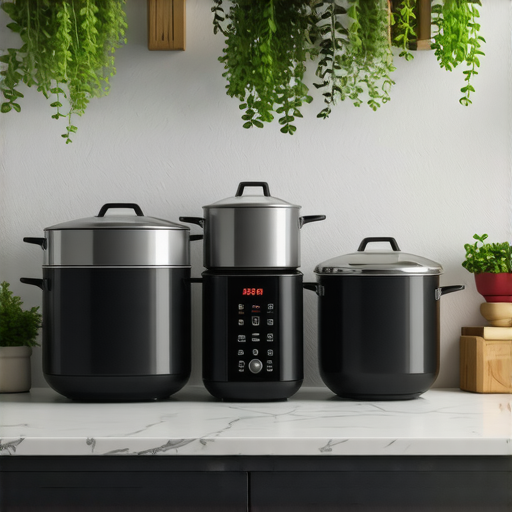
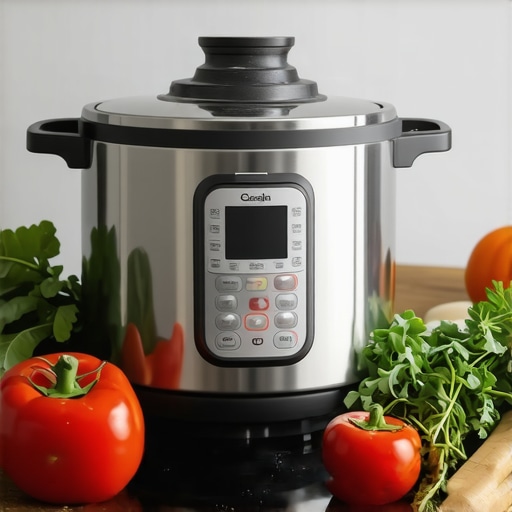
It was late evening, and I stared helplessly at my cluttered kitchen countertop, overwhelmed by the mountain of dishes and the clock ticking louder with each passing minute. The thought of chopping, sautéing, and cleaning up felt daunting after a long day. Then, I remembered my pressure cooker—my trusty kitchen ally that I had often underestimated. That lightbulb moment changed everything. If you’ve ever felt that rush of frustration trying to prepare a wholesome dinner swiftly, you’re not alone. Today, I want to share how I started turning chaos into delicious meals using the best pressure cooker recipes, and how you can do the same.
Why a Pressure Cooker Can Be Your Best Friend in the Kitchen
Cooking can sometimes feel like a race against the clock, especially when you’re juggling work, family, and everything in between. That’s where a pressure cooker shines. Unlike traditional pots that require simmering for hours, a modern pressure cooker compresses cooking time drastically, letting you whip up hearty dishes in a fraction of the time. Interestingly, according to recent culinary research, pressure cooking retains more nutrients than boiling or frying, meaning your meals stay healthier and tastier. If you’re tired of the endless simmer-and-wait routine, embracing pressure cooker recipes might just revolutionize your meal prep.
Have you encountered moments when dinner needed to be on the table yesterday, but you had no time to start from scratch? Or perhaps you’ve wondered if quick meals could still be flavorful and nutritious? Well, I had that exact dilemma early in my journey. I made a common mistake—assuming quick meant sacrificing taste or quality—and it nearly turned me off from exploring pressure cooking further. But once I discovered the right techniques and recipes, everything changed.
For beginners, I recommend starting with step-by-step guidance that covers not just recipes, but also essential tips to avoid common pitfalls. For more detailed insights, check out [this comprehensive beginner’s guide](https://cookers.kitchentechhq.com/beginners-guide-to-instant-multicooker-one-pot-meals-for-2024). It’s packed with practical advice that can help you go from hesitant to confident user in no time.
As I share my personal experiences, I want to assure you that mastering pressure cooker meals is within everyone’s reach. Whether you’re aiming to impress your family with a quick beef stew or craving a cozy vegetarian chili, the key lies in knowing the right techniques and recipes. Let’s move beyond the fears of overcooking or under-seasoning and dive into what really works. Stay tuned—next, we’ll explore the must-know tips that transform you into a pressure cooker pro.
Prep Your Ingredients Efficiently
Begin by gathering all ingredients before you start. Measure spices, chop vegetables, and prepare proteins in advance to streamline the cooking process. For example, I once prepped everything for a beef stew on Sunday night; this saved me 15 minutes during scramble hours. Having everything ready minimizes downtime and prevents overcooking.
Select the Right Equipment and Settings
Choose a pressure cooker suited for your needs—multi-cookers often combine pressure, slow, and rice cooking functions, acting like a versatile kitchen companion. When I first tried making chili, I set my multicooker to the ‘Pressure Cook’ mode with high pressure for 20 minutes. Familiarize yourself with your device’s manual, as settings vary. For detailed tips, check out this resource.
Layer Flavors and Use the Right Liquids
Start by sautéing aromatics like onions and garlic directly in the pressure cooker if your model allows. Then, add liquids—broth, sauces, or water—carefully. Remember, too much liquid can lead to longer depressurization; too little may cause burning. I learned this the hard way when I used just a cup of broth for a chicken curry, leading to a burn warning. To avoid this, refer to these expert tips.
Master Cooking Times and Pressure Levels
Every recipe demands specific pressure settings and durations. For meats, high pressure for 10-15 minutes is common; for grains, 8-12 minutes. As an example, I cooked a pork shoulder at high pressure for 45 minutes, resulting in perfectly tender meat. Always consult reliable recipes—use these guides to optimize your timing.
Use Natural Release vs. Quick Release Appropriately
Natural release involves letting pressure subside on its own—ideal for delicate dishes like stews to prevent spattering and keep ingredients tender. Quick release rapidly depressurizes the cooker; suitable for vegetables or when you need to serve immediately. I once quick-released my beef stew and found the meat fell apart perfectly, but another time, rushing the release caused the sauce to splatter, so I learned to judge each dish individually. For more nuanced techniques, see these tips.
Finish and Serve with Confidence
After depressurizing, open the lid carefully and check the dish. Adjust seasoning if needed—sometimes, pressure cooking dulls flavors. For a richer taste, I recommend finishing with fresh herbs or a squeeze of lemon. A quick stir and the meal is ready to serve, often in under 30 minutes total. Experimenting with stir-ins and garnishes enhances every dish, making each one a personalized masterpiece.
Many home cooks believe that pressure cookers, slow cookers, and multicookers are simple appliances that only require following basic recipes. However, this oversimplification often leads to misconceptions that can sabotage your culinary successes. One common myth is that all pressure cookers are interchangeable, but in reality, differences in design—like valve types and pressure levels—significantly affect cooking results. Understanding these nuances allows you to tailor your approach, ensuring consistency and perfect dishes every time.
A trap many fall into involves misjudging cooking times, especially when switching between models or recipes. For example, relying solely on standard times without considering your device’s specific pressure settings can cause undercooked meats or overdone vegetables. According to culinary expert Dr. Jessica Levinson, customizing timing based on your particular appliance’s characteristics eliminates guesswork and enhances outcomes.
Let’s answer a common question that puzzles even seasoned cooks:
How do I adjust recipes for different pressure cooker models without sacrificing flavor or texture?
The key lies in understanding your device’s pressure levels and how they influence cooking speed. Higher pressure typically reduces cooking time by about 25-30%, but variations exist depending on the manufacturer. Instead of rigidly following recipes, experiment cautiously by reducing or increasing times in small increments, noting how ingredients respond. For further detailed tips, I recommend visiting this resource.
One crucial but often overlooked aspect is the importance of layering flavors properly. Many assume that quick pressure cooking doesn’t allow for flavor development, but adding aromatics early and selecting the right liquids makes a big difference. For instance, sautéing onions and garlic directly in your multicooker enhances depth, while using the appropriate amount of broth prevents burning or burnout. These expert tips can help you elevate your dishes.
Lastly, mastering the art of releasing pressure — natural vs. quick release — demands attention. While quick release is tempting for speed, it can cause splattering or loss of tender textures if used improperly. Natural release often preserves delicate ingredients, making your meals more refined. Knowing when to use each method can profoundly impact your meal quality, and more advanced techniques are covered in these guides.
In essence, delving into the subtleties of your appliance transforms it from a mere timer into a culinary tool wielded by an expert. Have you ever fallen into this trap? Let me know in the comments.Investing in a quality multicooker or pressure cooker is only half the battle; keeping it in top shape ensures consistent performance and safety over years of use. One of the most reliable tools in my kitchen toolkit is a digital pressure cooker cleaning brush. I use it regularly to clean the valve and sealing ring, preventing build-up that can affect pressure accuracy. Maintaining these parts with a dedicated brush, like the OXO Good Grips Pressure Cooker Cleaning Set, simplifies routine upkeep and helps avoid costly repairs or replacements. Additionally, I recommend having a silicon gasket remover tool—I find it invaluable to gently detach and inspect the sealing ring for any cracks or residue, ensuring a perfect seal every time. Regularly inspecting the microwave-safe inner pot for scratches and corrosion also prolongs the appliance’s lifespan. For comprehensive care, consult the manufacturer’s manual or trusted guides like this detailed maintenance guide to develop a routine tailored to your device. Prediction-wise, as smart devices become more prevalent, I foresee integrations of diagnostic tools that alert users to maintenance needs, potentially extending appliance lifespan and safety. A question I often ask myself is, “How do I maintain optimal pressure accuracy over time?” The answer involves periodic calibration checks, especially for digital models. You can do this by measuring the actual pressure against the device’s displayed readings, a process supported by expert insights from pressure cooker maintenance articles. One actionable tip I suggest trying: regularly clean the pressure release valve with a soft brush to prevent clogs, which could compromise safety and cooking efficiency. Doing this small task can have a surprisingly big impact on your overall cooking experience—don’t overlook it! Proper maintenance not only prolongs your appliance’s life but also preserves the delicious results you work hard to achieve every week.
What I Wish Someone Told Me About Pressure Cooker Magic
It took a few failed attempts to realize that understanding the specific quirks of my pressure cooker—like how different models handle pressure levels—was crucial for consistently delicious results. I learned that tweaking times slightly based on my device saved me from undercooked meats or overly soft vegetables. This personalized approach turned me from a cautious beginner into a confident cook who seizes every opportunity to experiment and perfect recipes.
My Top Tools for Continuous Pressure Cooker Success
Over time, I found that having a quality silicone gasket remover and a cleaning brush tailored for pressure cooker maintenance truly changed my game. These tools help me keep my appliance safe and operating at peak performance, ensuring my meals are flavorful every time. For a deeper dive into maintaining your cooker, I recommend exploring this guide. Trusting reliable resources makes all the difference in avoiding mishaps and achieving culinary excellence.
The Power of Embracing the Pressure Cooker Learning Curve
If you’re contemplating diving into pressure cooker recipes, remember that patience and curiosity are your best allies. My biggest breakthrough came when I stopped fearing overcooking and started viewing each mistake as a lesson. The real secret is in mastering the art of timing, layering flavors, and choosing the right release method for each dish. This mindset transforms your kitchen from a place of doubt into a space of creativity and mastery. So, why not give yourself permission to experiment and discover the joys of quick, hearty meals? What’s been your biggest lesson with your pressure cooker? Share your story below.
Reading this post really resonated with me, especially the part about prep work. I’ve found that having everything measured and chopped before I start really makes a difference in how smoothly the cooking process goes. It’s like setting up a mini assembly line, which saves so much stress during busy weeknights. I also appreciate the mention of adjusting cooking times based on your specific model — this is so important! I used to rely blindly on standard times and ended up with mushy veggies or undercooked meats. Now, I make small adjustments and keep notes of what works best for my pressure cooker. For anyone new to pressure cooking, I’d suggest keeping a detailed cooking journal to track your tweaks and results. My question is, how do you all deal with over-seasoning, especially if you’re experimenting with new recipes? Do you have tips for balancing flavors without overdoing it? I’d love to hear strategies from the community. Thanks for this insightful guide!”,
I really resonate with this post because I recently started using my pressure cooker for quick weeknight dinners, and it’s been a game changer. I agree that prep work makes a huge difference—measuring and chopping ingredients beforehand really streamlines the process, especially when time is tight. I’ve also realized that understanding my specific model’s settings and quirks has helped me avoid overcooking or under-seasoning. One thing I’ve found helpful is keeping a small notebook of recipes and tweaks, so I can fine-tune cooking times for each dish based on how my cooker performs.
Regarding over-seasoning, I try to add spices in stages—tasting as I go—so I don’t end up with a dish that’s too salty or spicy. Also, adding acidic elements like lemon juice or vinegar at the end really helps balance flavors. Do others have tips for adjusting seasoning levels during pressure cooking without losing the depth of flavor? Would love to hear how everyone manages this, especially with new recipes or ingredients.
This post really hits home for me, especially the part about layering flavors. I’ve found that sauteing aromatics like onions and garlic first makes a huge difference in the depth of the final dish. Also, I tend to add most of my salt and spices later in the cooking process or after, to better control the flavor. It’s a balancing act, especially when I’m experimenting with new ingredients. One tip I’ve picked up is to keep a little notebook recording what works well, including timings and seasoning adjustments. That way, I can fine-tune recipes based on my specific pressure cooker model. Have others found that customizing times for their appliances improves their results? I’d love to hear your experiences or tips for managing seasoning levels without overpowering the dish.
Reading this post really made me reflect on how my pressure cooker has become my go-to appliance for busy weeknights. I especially agree with the importance of prep work—having ingredients ready ahead of time truly cuts down on stress and allows the cooking process to go smoothly. I’ve also experimented with different pressure settings and found that adjusting time based on my specific model has saved me from overcooking. One challenge I sometimes face is balancing seasoning, especially when I modify recipes on the fly. I’ve started tasting and adjusting in stages, but I’m curious—what’s everyone’s trick for avoiding over-seasoning when experimenting with new dishes? Do you use measuring tools, or do you prefer to eyeball it? Would love to hear your tips for maintaining flavor balance while still making quick, tasty meals.