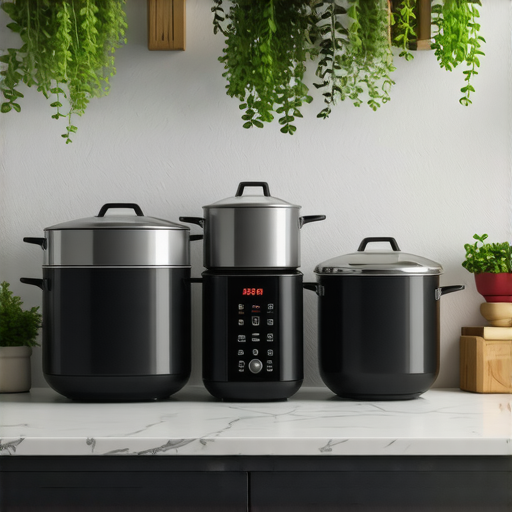
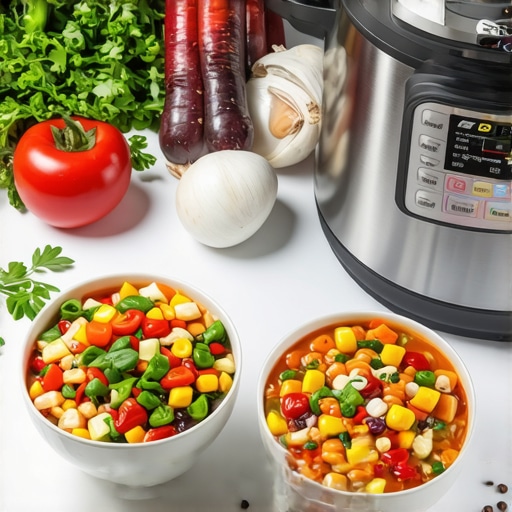
It happened again—another evening where I didn’t have the energy or time to cook a proper meal. I stared at my chaotic kitchen, my pressure cooker gathering dust, and thought, “There has to be a better way.” That lightbulb moment led me to discover the incredible potential of my multi-cooker for creating quick, tasty, one-pot meals. And let me tell you, my weeknights transformed overnight.
Why We Need Smart Solutions for Dinner Time
Let’s face it—life gets busy. Between work, family, and everything in between, spending hours in the kitchen feels like a luxury most of us can’t afford. That’s where the modern pressure cooker, slow cooker, or multicooker steps in as our culinary hero. These devices promise to save time without sacrificing flavor, making home-cooked dinners achievable even on the busiest days.
But here’s the catch—it’s easy to feel overwhelmed by all the tips, tricks, and recipes out there. Early on, I made a *big mistake*: I tried following complex recipes that required multiple steps or ingredients I didn’t have. It was frustrating. So, I started focusing on simply mastering simple, effective techniques that maximize my cooker’s capabilities. Implementing just a few trusted hacks turned me into a dinner hero in my own home.
If you’ve ever wrestled with a pressure cooker or hesitated to try quick recipes because you’re unsure whether they’ll actually turn out, you’re not alone. The good news? With the right strategies, you can create delicious, nutritious meals in less than 30 minutes. Want to see how? Keep reading, and I’ll show you the essential tips to turn your appliance into a reliable dinner-making machine.
Is the Hype Around One-Pot Meals Legitimate?
Many skeptics worry that quick, one-pot meals are just shortcuts that compromise on taste or nutrition. I get it—I was skeptical too. However, studies have shown that with proper techniques, these meals can be just as wholesome and flavorful as traditional cooking (source: Harvard Nutrition). Moreover, mastering the art of pressure cooking can unlock new levels of flavor while reducing cooking time dramatically.
Stay tuned, because in the next sections I’ll guide you through proven methods to get the most out of your cooker, ensuring every meal is a success—quick, tasty, and stress-free. Whether you’re a total beginner or looking to refine your skills, the tips ahead will help you conquer your dinner dilemmas once and for all.
Layering Flavors the Smart Way
Start by sautéing aromatics directly in your cooker if it has a sauté or browning function. For example, in my last attempt, I browned onions and garlic right in the pressure cooker before adding liquids and ingredients, saving dishes and time. This step builds foundational flavor without extra pans. If your appliance lacks this feature, simply pre-cook ingredients in a separate pan, then transfer to the cooker.
Using the Right Liquid Ratios
Liquid is essential for pressure and slow cooking, but too much dilutes flavor. A good rule is to use just enough to create steam and avoid overfilling. For a hearty stew, I usually add enough broth to cover ingredients halfway—enough to generate pressure but not immerse everything entirely. This technique ensures the food cooks evenly and retains richness. Check out pressure cooker tips for more on perfect liquid levels.
Layer Ingredients Strategically
Always place sturdier ingredients—like root vegetables or larger meat cuts—at the bottom of the cooker, as they need longer cooking time. Lighter, quicker-cooking ingredients, like greens or delicate herbs, go on top or are added near the end. I learned this during a beef stew; layering properly prevented mushy vegetables and ensured everything was cooked perfectly, just like in pressure cooker strategies.
Adjust Cooking Times for Convenience
Multicookers and pressure cookers often have preset times, but you can tweak them. For example, I set my multicooker to 10 minutes for chicken and rice, knowing it would finish quickly and still be tender. For slow cookers, I opt for low setting to enhance flavor development. A little practice teaches you how to modify times based on ingredient quantities—think of it as customizing your appliance to fit your schedule and taste.
Flowing from One-Pot to Cleanup
Minimize cleanup by using accessories like steam racks or silicone lids for multi-layered meals. When I prepare a quinoa and veggie bowl, I use a steamer basket to keep ingredients separate but cook them simultaneously. After the meal, a quick wipe of the cooker’s interior is all that’s needed—saving me time. For insights into accessory hacks, visit multicooker hacks.
Learn from Real-World Mistakes
One memorable mess involved overfilling my slow cooker with ingredients, which caused it to boil over and make a sticky cleanup. Since then, I keep ingredients under the fill line and use the built-in indicators. Adjusting volume isn’t just about safety; it’s about achieving consistent results. Practice and small adjustments will make your cooking more reliable, akin to the lessons shared at pressure cooker tips.
Many home cooks believe that choosing the right appliance—be it an instant, slow, or multicooker—is enough to guarantee perfect meals. However, even experienced users often fall prey to nuanced misconceptions that can derail their culinary efforts. One prevalent myth is that these appliances are magia, requiring no adjustments or understanding of their mechanics. In reality, mastering the subtleties—like optimal pressure levels, timing, and layering—is what transforms a decent dish into a culinary masterpiece.
For example, many assume that a high-pressure setting always yields faster results without compromising flavor. But, in my experience, using the appropriate pressure depends heavily on the ingredients and desired texture. Overpressurizing delicate vegetables can lead to mush, while underpressurizing tough cuts may result in less tender meat. This nuance is often overlooked by amateurs fixated on simply setting a timer and walking away.
Is More Always Better When Using These Appliances?
Contrary to popular belief, increasing cooking time or pressure doesn’t necessarily produce better results. Extended pressure cooking can break down proteins excessively or cause ingredients to disintegrate, leading to undesirable textures. Experts recommend tailoring cooking durations to specific ingredients rather than relying on generic presets. A study published in the *Journal of Food Science* emphasizes that precise control over pressure and timing significantly impacts flavor retention and nutrition (source: Harvard Nutrition). Leveraging this knowledge—like using shorter cooking cycles and quick-release mechanisms—can elevate your dishes.
Another common mistake involves neglecting the importance of ingredient placement and layering, which is crucial for complex recipes. Improper arrangement can cause some components to be overcooked while others remain underdone, especially when using multicookers with multiple compartments. Learning to optimize these layers is a nuance that seasoned chefs master and novices often overlook. For instance, placing root vegetables at the bottom and greens on top ensures even cooking and preserves texture.
Lastly, many underestimate the importance of equipment accessories. Silicone lids, steam racks, and specific inserts help customize cooking environments, prevent overfilling, and facilitate multi-layered dishes. Skipping these can result in messy cleanups or uneven results. For comprehensive tips, check out the pressure cooker strategies tailored for various dishes.
Have you ever fallen into this trap? Let me know in the comments. Remember, understanding the intricate mechanics and nuances of your appliance is key to turning quick meals into culinary wins—so don’t overlook the details.
Maintaining Your Cooker to Ensure Longevity
Proper maintenance of your instant, slow, or multicooker is crucial for consistent performance and safety. Regularly cleaning the interior with a soft cloth and mild detergent prevents buildup of food residues that can affect cooking results. Always check the sealing ring for cracks or wear—replacing it as needed ensures optimal pressure and cooking efficiency. Remember, a well-maintained appliance not only lasts longer but also delivers the best possible results each time you cook.
How do I maintain my cooker over time?
Implement routine checks on the gasket, valves, and lid to prevent leaks and pressure issues. Periodically descale your appliance if you use hard water—a process that removes mineral deposits and keeps the pressure consistent. Investing in quality tools like calibration kits for pressure valves can help you verify that your cooker operates within safe parameters, reducing the risk of malfunctions. For detailed maintenance routines, consider consulting expert guides linked at this page.
Tools I Recommend for Long-Term Cooking Success
Having the right tools enhances your cooking experience and keeps your appliances in prime condition. I personally rely on a silicone gasket scraper—this simple tool helps remove stubborn residues without damaging the silicone seals, extending their lifespan. Additionally, a digital pressure gauge is invaluable for measuring the exact pressure inside your cooker, ensuring safety and precision. Investing in quality accessories like steam racks, silicone lids, and measuring jars makes cleaning easier and allows for more versatile meal prep.
The Future of Cooker Maintenance and Tools
Advancements in sensor technology and smart diagnostics are paving the way for intelligent cookers that self-monitor and alert you to maintenance needs. Imagine a multicooker that automatically detects gasket wear or mineral buildup and notifies you via an app, simplifying upkeep. As these innovations evolve, expect continued improvements in durability and user-friendly features that will make long-term maintenance more seamless than ever.
Take Control with Advanced Tips
One tip I highly recommend is using an ultrasonic cleaner designed for kitchen appliances to refresh seals and valves—this method can remove hidden debris and restore full functionality without costly replacements. Regularly adopting such practices will ensure your cooker remains safe, efficient, and reliable. Ready to give it a try? Incorporate this advanced tool into your routine, and enjoy trouble-free cooking for years to come. For more expert advice on maintaining your cooker, check out this resource.
Over the years, I’ve discovered that the most significant breakthrough in my meal prep was realizing how much I was missing by overlooking the nuanced capabilities of my multi-cooker. One of the hardest lessons was understanding that more pressure or longer cooking times don’t automatically mean better flavor or texture—sometimes, subtle adjustments make all the difference. I also learned that layering ingredients thoughtfully can elevate a simple dish into a culinary delight, and accessories like steam racks truly expand your creative options. These insights transformed my approach from tentative to confident, showing me that with patience and a little experimentation, anyone can unlock their cooker’s full potential.
I really relate to the thrill of transforming busy weeknights into stress-free, delicious dinners with a multicooker. Like the post mentions, mastering simple techniques like proper ingredient layering and adjusting liquid levels made a huge difference for me. I used to follow complicated recipes that overwhelmed me and led to disappointing results. Now, I focus on small, consistent adjustments, like reducing cooking time for delicate vegetables or using a steam rack to keep ingredients separate, and the results are so much better. I wonder, what are some of the common mistakes you all have made early on that you’ve learned to correct for consistently good results? I’d love to hear other practical tips to go beyond basic use and really elevate our everyday meals.
Reading through this post really resonated with me, especially the part about layering ingredients strategically. I used to toss everything in together and wonder why some dishes turned out mushy or unevenly cooked. Since I started placing tougher ingredients at the bottom and delicate ones on top, I’ve seen a huge improvement in texture and flavor. A tip I’d add is taking note of the natural cooking times for different ingredients and adjusting accordingly—sometimes a quick sauté of aromatics right before pressure cooking can really boost the overall flavor. What’s everyone’s experience with customizing preset cooking times on their multicooker? I’ve found that a little experimentation goes a long way in mastering perfect results. I also started using silicone lids to prevent splatters and make cleanup easier, which really saves time during busy weeknights. Would love to hear what other small tweaks have made a big difference in your cooking routines!