It was late evening, and I was exhausted after a long day. I wanted to whip up a quick, hearty meal in my multicooker, but as soon as I opened the lid, a sickly aroma hit me—that unmistakable sour, burnt smell that seems to cling stubbornly to the ring seal. No matter how many times I cleaned it, that odor refused to go away. Frustration set in. Have you ever faced that sinking feeling when your multicooker’s ring smells so bad it ruins your entire meal experience? If so, you’re not alone. Many home cooks struggle with lingering odors, especially when they use their pressure or slow cookers frequently.
The Smelly Multicooker Ring Dilemma
Over time, I realized the common culprit was the multicooker ring. It’s the silent hero that keeps your pressure sealed, but it also collects residue, grease, and food particles—perfect breeding grounds for bacteria and foul smells. These odors can persist despite regular cleaning, making your entire kitchen smell off, and worst of all, tainting your delicious meals with every use.
But here’s the good news: I discovered a simple, lightning-fast tactic that banishes those pesky smells in seconds. That’s right—seconds. It’s a game-changer for busy cooks and anyone tired of battling stubborn odors. By applying this method, I’ve kept my cooker fresh, hygienic, and odor-free, which makes my cooking sessions more enjoyable and my meals taste just as they should.
Interested? Good. Because in the next sections, I’ll walk you through this tried-and-true approach. Whether you’re a seasoned chef or a beginner, this simple hack can save your cooking day. Plus, I’ll share some common mistakes I made early on that might be holding you back from a fresh-smelling cooker every time. Trust me, I’ve been there with my own missteps. For example, I once relied solely on soap and water, only to find the smell return after a few uses. It wasn’t until I read advice from pressure cooker experts—like those at KitchenTech HQ—that I understood the importance of thoroughly deodorizing and maintaining the rubber gasket and rings.
Ready to bring your multicooker back to life? Let’s dive into how you can do this fast and effortlessly, turning your cooking space into a fresh, inviting place again. If you’re eager to master more tips for easy one-pot meals, you might want to check out some of the top multicooker hacks [here](https://cookers.kitchentechhq.com/top-multicooker-tips-for-easy-one-pot-meals-today).
Disassemble and Clean Thoroughly
Start by unplugging your multicooker and removing the ring and gasket. Soak them in warm, soapy water for about 10 minutes to loosen residues. Use a soft brush or a toothbrush to scrub away any stuck food particles or grease buildup, paying close attention to crevices. Dry thoroughly to prevent mold and bacteria growth. I once forgot to dry mine, which led to a persistent mold smell that took days to eliminate. Ensuring complete dryness is crucial.
Apply a Baking Soda Solution
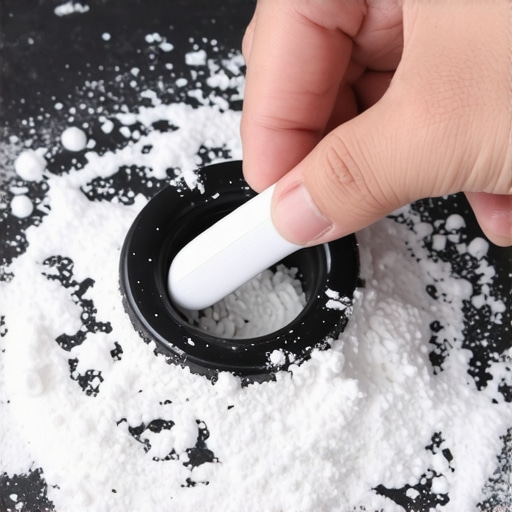
Mix a paste of baking soda and water—about three parts baking soda to one part water. Spread this paste over the rubber ring, especially in folds and crevices where odors hide. Let it sit for 15-20 minutes, then scrub gently. Baking soda neutralizes odors effectively. I did this after a particularly sour smell lingered all week, and within minutes, the scent vanished. Rinse thoroughly to remove any residual baking soda.
Use Vinegar for Deep Deodorizing
Soak the ring in white vinegar for 30 minutes. Vinegar’s acidity breaks down odor-causing residues. After soaking, scrub again with a soft brush and rinse well. Alternatively, wipe the ring with a cloth dampened with vinegar. This method is especially helpful if the odor is strong or stubborn. I remember using vinegar-driven cleaning after a burnt meal left a greasy, foul smell—simply soaking the ring in vinegar totally restored freshness.
Perform a Steam Cleaning Cycle
Reassemble the cooker but leave the lid slightly ajar. Fill the inner pot with a mixture of water and a few drops of lemon juice or a splash of vinegar. Run a high-pressure or slow cooking cycle for about 20 minutes. The steam penetrates hard-to-reach areas and masks odors. When I did this during a cleanup, the entire kitchen was filled with citrus scent—fresh and inviting. This step is simple yet highly effective for deep deodorization.
Maintain with Regular Care
Once your ring smells fresh again, establish a maintenance routine: wipe the seal after each use to remove moisture and residue, and periodically repeat the baking soda or vinegar treatments. Keep the gasket dry and stored in a cool, ventilated area when not in use. Remember, neglecting these steps causes buildup and odors to return—so proactive care is your best defense.
Additional Tips to Prevent Odors
Avoid using harsh chemicals that may damage the rubber. Instead, opt for natural cleaners like baking soda, vinegar, or lemon. Also, consider replacing the ring every 1-2 years if odors persist despite cleaning. If the smell always creeps back, it might be time for a new gasket—this upgrade is affordable and saves future headaches. For more advanced tips, check out this multicooker maintenance guide.
 Many home cooks believe they know everything about pressure cookers, instant pots, slow cookers, and multicookers, but there are subtle nuances that often get overlooked. For instance, a frequent misconception is that all pressure cookers are interchangeable and require the same maintenance, but in reality, different models have unique sealing mechanisms and material compositions, which can affect cooking results and longevity. Understanding these differences allows for better appliance care and improved meal consistency.
Is Your Cooking Method Sabotaging Flavor and Texture?
One common mistake is relying solely on the default pressure or cooking times without adjusting for ingredients and altitude. For example, overfilling a multicooker can impede the pressure buildup, leading to uneven cooking or under-seasoned dishes. Modern research emphasizes that personalized cooking adjustments optimize flavor and texture, especially when cooking dense meats or delicate grains. The expert at KitchenTech HQ highlights that fine-tuning pressure settings and cooking durations significantly elevates meal outcomes.
Moreover, there’s a myth that using the ‘auto’ mode on these appliances always yields perfect results. While automation offers convenience, it often masks underlying issues like improper sealing or low-quality ingredients, leading to disappointing meals. Regularly inspecting seals and understanding the device’s feedback can prevent common pitfalls. An overlooked nuance is the importance of pre-soaking harder ingredients like beans or tough meats, which can dramatically shorten cooking times and improve digestibility.
Bad habits, such as forgetting to release pressure properly or neglecting cleaning the sealing ring, are also widespread. These oversights not only jeopardize food safety but also cause persistent odors or malfunctioning appliances. According to expert tips at KitchenTech HQ, meticulous maintenance and knowledge of appliance-specific quirks are key to maximizing performance.
In essence, the true mastery of pressure cooking and one-pot meals lies in paying attention to these little details and challenging some of the prevailing myths. By doing so, you’ll achieve more flavorful, consistent, and healthier meals, making your kitchen time truly enjoyable. Interested in more advanced techniques? Check out the ultimate guide to pressure cookers for expert insights. Have you ever fallen into this trap? Let me know in the comments.Maintaining your pressure and multicooker appliances isn’t just about cleaning after each use; it’s about implementing the right tools and methods that ensure long-term performance and safety. I personally swear by a few specialized items that make upkeep effortless and effective. For example, a high-quality silicone gasket scraper is invaluable for gently removing residue from seals without damaging them. It allows me to clean tight crevices thoroughly, preventing odor buildup and ensuring a proper seal every time. I also rely on a digital thermometer designed specifically for appliances to monitor internal temperatures during maintenance cycles, which helps prevent overheating and material degradation over time.
When it comes to cleaning agents, I avoid harsh chemicals. Instead, I stock up on food-grade silicone brushes for detailed cleaning of the gasket and the lid. These tools are gentle yet effective, making routine maintenance quicker and less intimidating. Additionally, a ultrasonic cleaner has become my secret weapon for deep-cleaning the metal parts, especially if I notice stubborn residue or discoloration. It’s a one-time investment that consistently restores components to near-original condition, extending their lifespan.
For software solutions, I use regular maintenance reminders through a simple app. Setting periodic alerts for gasket inspections or replacements, as well as cleaning cycles, helps me stay on track—even during busy weeks. And for troubleshooting or learning new maintenance techniques, accessing manufacturer manuals online—like those from Instant Brands or KitchenAid—has saved me from costly repairs. They often include detailed diagrams and recommended care procedures that go beyond basic cleaning.
Prediction-wise, as appliances evolve, expect more integrated sensors and smart diagnostic tools that notify you when parts need attention or replacements. Think of this as an extension of your maintenance routine—using technology to preempt issues before they become costly repairs.
How do I keep my pressure or multicooker working like new over time?
Regular inspection of seals and gaskets is crucial. Use a dedicated silicone gasket scraper weekly to clear debris, and replace gaskets every 1-2 years based on usage frequency and signs of wear. Incorporate deep cleaning cycles with vinegar and baking soda monthly, utilizing ultrasonic cleaners for metal parts. Keeping an eye on manufacturer updates or firmware, when available, can help optimize performance and identify potential issues early. Don’t forget, the way you maintain your appliance has a direct impact on safety, efficiency, and the flavor of your meals. Want to see how proper maintenance can prevent common failures? Check out this expert guide on troubleshooting common pressure cooker problems, including maintenance tips.
If you’re ready to take your appliance care to the next level, try incorporating a silicone gasket scraper and scheduling monthly deep cleans with vinegar or ultrasonic cleaning. These simple yet specific steps will keep your pressure cooker performing beautifully for years. Ready to see the difference?
Through my journey of perfecting the art of pressure and multicooker cooking, I’ve uncovered that the smallest component—the ring—holds the key to achieving consistently delicious and odorless meals. Remember, even the most advanced appliances can falter if we overlook these tiny but vital details. Embracing meticulous maintenance not only extends your device’s lifespan but also elevates your culinary results, transforming everyday cooking into an enjoyable experience filled with confidence and satisfaction.
The Hardest Lesson I Learned About pressure cooker,one pot meals,instant cooker,slow cooker,multicooker
- Skipping regular cleaning may save a few minutes, but it inevitably leads to stubborn odors that spoil your cooking vibe later—trust me, it’s a lesson learned the hard way.
- Failing to thoroughly dry the gasket and ring after cleaning can cause mold and foul smells to re-emerge, making future meals less appetizing and kitchen cleaning more challenging.
- Neglecting to replace aging gaskets—even if they seem fine—can result in leaks and odor seepage, which directly impacts meal flavor and appliance safety.
My Gear That Keeps My Cooker Fresh and Ready
Investing in a high-quality silicone gasket scraper has revolutionized my cleaning routine, allowing me to remove debris gently without damaging the seal—crucial for odor control. A digital thermometer helps me monitor internal temperatures during maintenance cycles, ensuring thorough decontamination. Moreover, my ultrasonic cleaner is indispensable for deep-cleaning metal parts, restoring them to factory-fresh condition and extending their usability. Pairing these tools with regular reminders set in my maintenance app keeps my multicooker performing at its peak. Trusting manufacturer manuals and online resources like these expert guides means my appliance gets the care it deserves, preventing unexpected breakdowns and odor issues.
Don’t Let Small Oversights Ruin Your Cooking Game
Every component inside your multicooker, from seals to valves, contributes to the overall flavor and safety of your meals. Small habits—like wiping down the gasket after every use or scheduling seasonal deep cleans—make a huge difference. Technology is advancing; I look forward to future appliances with built-in sensors notifying us when parts need attention, much like a health check for your device. For now, proactive care and educated maintenance are the best insurance against odors, leaks, and inconsistent cooking. If you’re eager to enhance your skills further, consider exploring these detailed tutorials—they’re packed with invaluable insights to keep your pressure cooker in top shape.
Reading through this post really resonated with my own kitchen struggles, especially with persistent smell issues in my pressure cooker. I used to think that a quick wipe was enough, but I eventually noticed that odors kept coming back, which was so frustrating after spending time on meal prep. The tips about soaking the ring in vinegar and baking soda are game changers; I’ve tried similar methods, but I hadn’t considered combining them or doing a steam cycle afterward. It’s amazing how effective steam with lemon or vinegar can be—not only for deodorizing but also for cleaning those hard-to-reach crevices. I’m curious, has anyone noticed a significant difference after replacing their gasket? It seems like an obvious fix, but I’d love to hear real experiences. Also, do you have recommendations for natural, long-term maintenance routines that keep these odors at bay without extensive effort? Thanks for these practical yet simple insights—my cooker will thank me!
This post hits close to home for me because I’ve faced persistent odors in my multicooker, especially after making hearty stews. I’ve found that the steam cleaning cycle with lemon and vinegar makes a noticeable difference, and I usually repeat the process once a month for maintenance. What’s interesting is that I also started replacing the silicone gasket every year as a preventive measure—once I did that, the odors became much less of an issue.
One thing I’d add from my experience is the importance of good storage practices. I keep the gasket and ring in a dry, ventilated container when not using the cooker to prevent mold buildup. Do others have tips on storage and long-term maintenance? Also, how often do you find replacing the gasket necessary before noticeable wear affects performance? It seems like a small expense for peace of mind. Overall, consistent cleaning and mindful storage have helped me keep my cooker odor-free and functioning well. Would love to hear more tips from others on keeping these appliances fresh long-term.