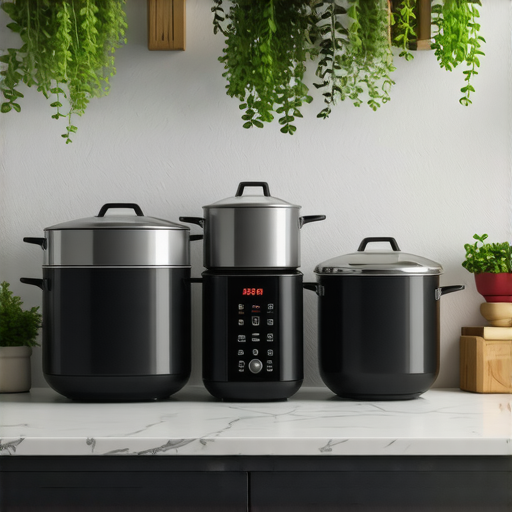
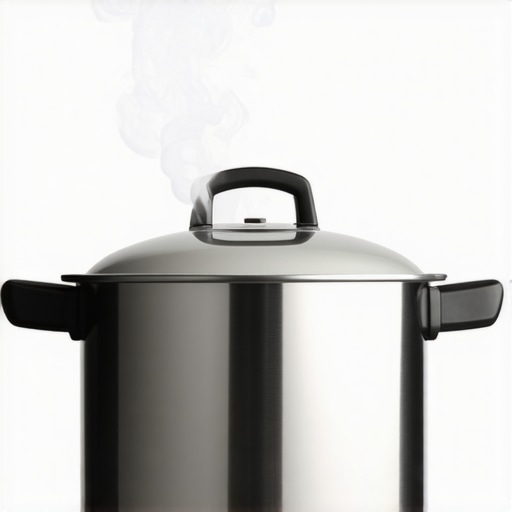
It was late evening, and I was starving after a long day. I eagerly opened my brand-new pressure cooker, only to be greeted by a cloud of steam and a mess of sauce splattered all over my kitchen walls. That lightbulb moment made me realize: I’d been making one of the classic mistakes that can sabotage dinner time—improper steam release. If you’ve ever faced a similar frustration, you’re not alone. In my experience, many home cooks underestimate the importance of proper steam release techniques, which can turn a simple meal into a disaster.
Why Steam Release Matters More Than You Think
Pressure cookers and multicookers are lifesavers, saving us time and effort. But their safety features and cooking mechanisms require precise handling, especially when releasing steam. An improper release can lead to overcooked, undercooked, or even dangerous situations. For example, rushing the release can cause hot liquids or pressure to escape suddenly, risking burns or kitchen messes. Conversely, waiting too long or releasing pressure incorrectly can ruin delicate dishes.
I initially thought just opening the valve quickly was sufficient. Boy, was I wrong. Early on, I made the mistake of ignoring the manufacturer’s guidance, which led to a few burns and ruined meals. That experience prompted me to dive deep into pressure cooker tips, as I wanted to enjoy hassle-free, safe cooking every time. Want to skip my mistakes? Good. Today, I’ll help you avoid the most common steam release errors and reclaim dinner time.
Is Proper Steam Release Worth the Extra Step?
Absolutely. The difference between a tender, flavorful stew and a burnt, overcooked mess can hinge on how you release that steam. Skipping proper procedures not only compromises your meal but also poses safety hazards. I’ve seen countless cooks rush through it, thinking it’s just a quick step—until their dish is ruined or someone gets hurt. For more tailored advice, check out this detailed guide on pressure cooker safety and techniques—it’s a game-changer.
In the upcoming sections, I’ll share proven methods and tips to master the art of steam release, ensuring your dinners come out perfect, every time. So, have you ever faced the chaos of steam explosions or undercooked meals? If yes, stick around. You’re about to turn your pressure cooking experience from risky to reliable.
Ensure Safety by Timing Your Release Correctly
When I first started using my pressure cooker, I thought I could rush the release process. One day, I tried opening the valve immediately after cooking, but steam burst out violently, splattering hot liquid everywhere. That moment taught me that timing is crucial. Always wait until the pressure indicator signals it’s safe to open, typically after the cooker depressurizes naturally or via quick-release, depending on your recipe. To learn more about optimal timing, visit this detailed guide on pressure cooker safety and techniques.
Master Quick-Release vs. Natural Release
Choose your method wisely. Quick-release involves opening the valve immediately, which is perfect for delicate dishes like seafood or vegetables that can overcook easily. Natural release, on the other hand, allows pressure to drop gradually, preserving flavors and textures, especially in hearty stews or roasts. I recall making beef stew; using natural release kept the meat tender and the broth rich. Be cautious—quick-release can sometimes cause splatters or burns if you’re not careful. To get familiar with these techniques, check out this comprehensive resource on pressure cooker release methods.
Prep Your Kitchen for Safe Steam Handling
Before releasing steam, clear the area to prevent any accidents—move pot handles away, wear oven mitts, and have a towel ready. Once steam begins escaping, keep your face and hands away from the vent. I once forgot to wear gloves, and boiling steam scalded my fingers slightly. Practicing anticipation and cautious handling makes the process safer and cleaner. For detailed safety tips, see this expert advice on managing pressure cooker vents and steam safety.
Use a Layer of Protection with a Release Shield
If you want extra safety, consider using a pressure release shield—a handy accessory that directs steam away from your face and hands. This small investment shields you from unexpected bursts. When I started using one, my stress during release decreased significantly. These shields are especially useful if you often cook dishes with foamy or expanding ingredients, which can clog vents and cause unpredictable releases. To choose the right one, explore reviews on the best pressure cooker accessories here.
Practice Controlled and Gentle Opening
Once the pressure is down, open the valve gently instead of yanking it open. This reduces the chance of sudden steam escape. I once hurried the process, and steam shot out like a canon, causing a mini kitchen mess. Slow, controlled opening keeps everything neat and safe. Remember, patience during this step pays off—never rush it. For more expert techniques, see this guide on perfecting the pressure release.
Incorporate Timing into Your Recipes
Finally, adapt your cooking times based on whether you are doing quick-release or natural release. For example, delicate fish benefits from quick release, while tougher cuts need natural cooling to stay tender. After years of experimentation, I now select the release method before starting to cook, ensuring I match technique to dish. Check out this article on timing your pressure cooker for optimal results and avoid over- or undercooking.Many home cooks believe they understand how to use modern kitchen appliances like slow cookers, multicooks, and pressure cookers, but in reality, there are nuanced mistakes that can sabotage your meals and safety. One prevalent misconception is that setting and forgeting is always optimal; however, each device has specific timing and procedural nuances that, when ignored, lead to mushy textures, undercooked dishes, or dangerous pressure buildups. For example, many assume that a quick release of pressure is suitable for all recipes, but in truth, delicate dishes like fish or certain desserts benefit from natural release methods to prevent collapse or overcooking—some specialists even recommend combining techniques for best results, as discussed in this comprehensive overview of [pressure cooker tips](https://cookers.kitchentechhq.com/top-pressure-cooker-multicooker-tips-for-easy-one-pot-meals-2024). Moreover, a common oversight involves neglecting the importance of layering ingredients or adjusting liquid amounts, which are critical for achieving the desired consistency and flavor concentration—advice often overlooked by beginners but essential for advanced results. Furthermore, many fail to realize that different models and brands have their unique quirks; some pressure cookers require specific pre-heating or cleaning routines, as highlighted in safety guides. An advanced mistake is not considering the residual heat and how it can continue to cook or overcook dishes after the timer ends, leading to over-tenderized or burned outcomes. Understanding these subtleties can transform your meal prep from guesswork into a reliable craft. Have you ever fallen into this trap? Let me know in the comments. To elevate your cooking further, explore detailed [pressure cooker hacks](https://cookers.kitchentechhq.com/7-cheap-one-pot-dinners-that-dont-taste-like-leftovers-2026) and optimize your techniques.Maintaining your pressure cooker or multicooker in optimal condition is essential for safety, efficiency, and consistent results. One key tool I swear by is a silicone gasket scraper. Over time, gaskets can become stiff or accumulate residues, which impair sealing and pressure buildup. Using a silicone scraper helps gently clean these parts without damaging them, extending their lifespan. I personally keep a dedicated silicone spatula for this purpose—easy to sterilize and perfect for gently removing food residues from crevices.
Beyond cleaning tools, investing in a calibration weight or pressure testing kit is invaluable for ensuring your cooker maintains accurate pressure levels. Regular calibration, especially if you use your device frequently, prevents unexpected failures or safety hazards. I schedule a quick pressure test every few months, following manufacturer guidelines, to verify my cooker’s accuracy. This proactive approach saves me from unpleasant surprises during meal prep.
Software updates might seem irrelevant, but many modern multicookers come with firmware that improves performance and safety features. I recommend registering your device with the manufacturer’s app or website. Periodic updates can optimize pressure sensors and safety shut-offs, ensuring your appliance adapts to new safety protocols. For example, some brands release updates to better handle complex cooking programs, reducing errors and cook times. Stay informed by subscribing to your device’s newsletter or support page.
How do I maintain my pressure cooker or multicooker over time?
Regular cleaning after each use is non-negotiable. Always disassemble removable parts like the sealing ring, steam vent, and anti-block shield, then wash with warm, soapy water. Dry thoroughly to prevent mold or corrosion. Replace the sealing ring if it shows signs of cracking or deformation—waiting too long can compromise pressure integrity. I’ve also learned that applying a thin layer of vegetable oil to the gasket helps keep it supple and airtight, especially in dry environments. Check the manufacturer’s guidance for recommended replacement intervals, typically every 12-18 months.
Another tip is to inspect the pressure release valve and safety locks regularly. Blockages or wear can lead to dangerous pressure build-up or failure to depressurize properly. As a precaution, I use a small brush or pipe cleaner to clear out vents and ensure unimpeded steam flow. Remember, safety is paramount: never ignore the signs of a malfunctioning relief valve, and replace components as needed. For comprehensive safety and maintenance routines, review this expert advice on pressure cooker safety protocols.
Looking ahead, I predict that smart sensors and IoT connectivity will become standard in next-generation appliances. These advancements will enable real-time diagnostics and remote monitoring, helping users catch potential issues before they escalate. Until then, following a disciplined maintenance routine with the right tools is your best strategy for longevity and safety. I highly recommend trying out a pressure gauge test kit—it’s a game-changer that provides immediate insights into your device’s health and performance. Keep your kitchen safe and your meals consistent by staying diligent with maintenance!
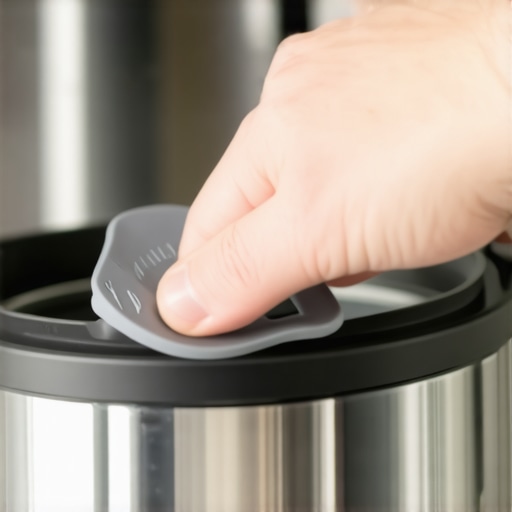 Through my journey with pressure cookers and multicookers, I’ve uncovered that the most overlooked step—careful and proper steam release—can make or break a dish. Had I known earlier that timing, technique, and safety gear could elevate my cooking from risky to reliable, I would have saved myself countless kitchen mishaps. Every seasoned cook appreciates the value of patience, but I’ve learned that a mindful approach during steam release not only guarantees safety but also unlocks the full flavor potential of every recipe. Remember, the secret isn’t just what you cook, but how you release the pressure that truly defines your culinary success. Now, armed with this insight, you can confidently enjoy perfectly cooked, tender, and flavorful one-pot meals every time, transforming your kitchen into a haven of both safety and deliciousness.