Ever had that moment when you’re standing in front of your slow cooker at 6 p.m., desperately trying to piece together a meal, only to realize you’ve already blown your week’s budget? I’ve been there more times than I care to admit—frustrated, hungry, and wondering if feeding my family well on a tight budget was just a myth. Then, lightbulb! I discovered that some of the simplest, most comforting soups can be whipped up in a single pot and cost less than a couple of dollars per serving.
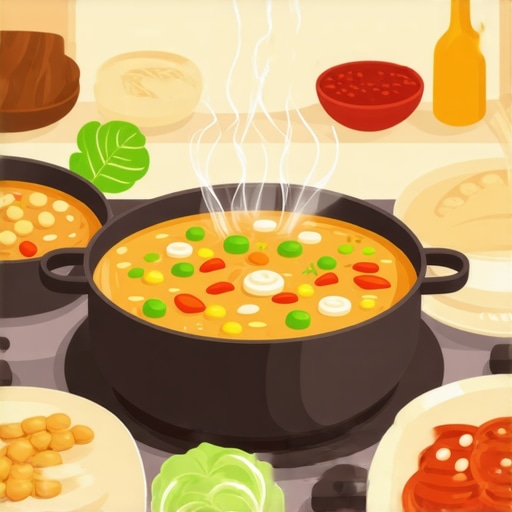
Today, I want to share how you can turn humble ingredients into hearty, delicious meals without breaking the bank. Whether you’re juggling multiple jobs, facing inflation, or just trying to make your dollar stretch further, these recipes are a game-changer. Imagine cozy bowls of soup bubbling away, ready when you walk through the door, and all for around $10 total! It’s not just a dream—it’s a reality I’ve been perfecting over recent months.
Why Saving Money with One Pot Soups Matters More Than Ever
In 2026, prices for groceries continue to climb, making it tougher than ever to provide nutritious meals without draining the wallet. Did you know that a report from the National Review indicates that food prices are at levels unseen since the late 1970s? That means many families are feeling the squeeze, searching for ways to make every dollar count. Simple, hearty soups cooked in one pot are a perfect solution—they’re affordable, filling, and incredibly versatile.
But here’s the catch: not all one-pot soups are created equal. I’ve made my share of mistakes early on—like over-seasoning, using the wrong cut of meat, or adding too much water—turning what should be a cozy meal into a bland, watery mess. However, building on those lessons, I’ve honed recipes that truly deliver comfort without the chaos or cost. If you’re skeptical about whether budget-friendly dishes can also be delicious and satisfying, I get it. I was too—until I found the right tricks and tips (which I’ll share later!).
Are Cheap Soups Actually Worth It?
Well, I used to dismiss the idea—thinking that cheap meant low quality. But I learned that with a little planning and some clever cooking techniques, you can make soups that rival restaurant-quality fare. Plus, doing some homework on ingredients and cooking methods can prevent common pitfalls. For instance, I once added a whole bag of lentils without soaking them first, and the soup turned out mushy. Avoiding that mistake made a big difference. Want to learn how to avoid these common errors? Check out this guide for tips on perfecting slow-cooked ingredients. Today, I’ll guide you through simple steps to whip up flavorful, budget-friendly soups that your family will love—without the fuss or the high price tag. Let’s get started.
Select Ingredients Wisely and Prepare Ahead
Start by choosing inexpensive, versatile ingredients like dried beans, lentils, rice, and frozen vegetables. In a memorable experience, I once grabbed a bag of dried lentils and a bag of frozen mixed vegetables from my local discount store, realizing I could make several nutritious soups with minimal effort. Prepare ingredients by chopping vegetables and measuring spices in advance; this saves precious time and ensures a smoother cooking process. When using dried beans, remember to soak them overnight or quick-soak by boiling briefly—skipping this step can result in uneven cooking or mushy textures. For detailed tips, visit this resource.
Choose the Right Cooking Equipment
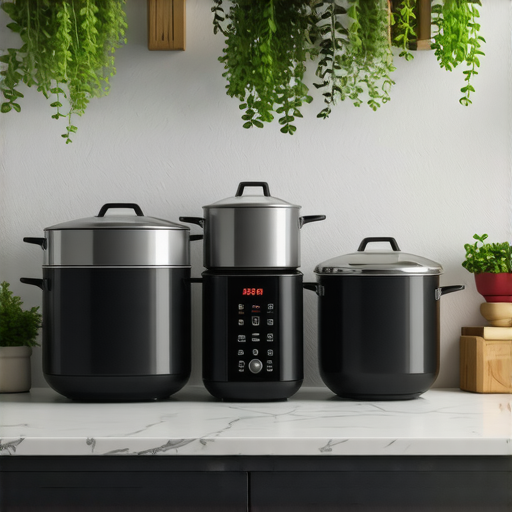
Knowing your appliance makes all the difference. A slow cooker is perfect for braising tough cuts of meat or simmering hearty soups over several hours. Think of it as a warm hug in a pot, gradually tenderizing ingredients without constant attention. An instant cooker or pressure cooker, on the other hand, is your best ally for quick meals—achieving slow-cooked tenderness in a fraction of the time. Imagine pushing a button and having your meal ready in 30 minutes instead of three hours—that’s the power of a pressure cooker. When using a multi-cooker, understand its different modes; for juicy stews, the slow cook setting works well, while the pressure cooking mode is excellent for faster results. For expert techniques, see these tips.
Master the Sealing and Browning Processes
Before cooking, sear meats directly in your appliance or use a stovetop pan if your machine allows. Searing locks in flavors and creates a richer base. I once tried to skip this step with a cheap cut of beef; the result was bland and tough. Searing is like giving the meat a flavor boost—think of it as adding a flavorful crust to a grilled cheese sandwich. For slow cookers, ensure the lid fits tightly to trap steam—this is crucial for even cooking and tender results. In pressure cookers, always verify the sealing ring is clean and properly installed; a poor seal can prevent pressurization and ruin your meal. For sealing secrets, check this cleaning guide.
Layer Ingredients for Optimal Flavor
Place root vegetables and dense ingredients at the bottom, closer to the heat source or bottom of the pot, to ensure even cooking. Delicately textured ingredients like leafy greens go on top, so they don’t overcook. In my first try, I stacked everything randomly and ended up with mushy carrots and undercooked potatoes—lesson learned. Think of your pot as a layered cake; each layer has its purpose, and proper placement yields the best taste. Use dry ingredients first, then add liquids—water, broth, or sauce—according to the recipe. For a thorough guide, explore this article.
Adjust Cooking Time and Pressure
Follow recipe guidelines, but remember, your appliance’s size and altitude can affect cooking times. When in doubt, use the manual setting to set a specific time—overcooking leads to mush, and undercooking leaves ingredients tough. I once underestimated the time for a bean stew in my pressure cooker, resulting in crunchy beans; a quick reset fixed that. Consider releasing pressure naturally for delicate ingredients, or use quick release for rapid results. Experimentation is key—once you know your device’s quirks, you’ll cook with confidence. For troubleshooting, look into these strategies.
Finish with Proper Rest and Adjustments
Allow your dish to rest for a few minutes after cooking; this helps flavors meld and prevents burning or sticking when serving. If the soup is too thick, stir in additional broth or water—think of it as watering down tea to taste. Too thin? Simmer with the lid off or use the sauté function to reduce liquid. In a memorable misstep, I over-reduced a chili and ended up with a stiff, unappetizing sauce—lesson learned: moderation is key. Remember, your final touch can elevate a simple meal into a flavor-packed masterpiece, solidifying your expertise and confidence in budget cooking.Many home cooks assume that using a slow cooker or pressure cooker is a straightforward way to prepare meals effortlessly, but several nuanced misconceptions can hinder your success. **Contrary to popular belief, more expensive appliances don’t automatically guarantee better results**. While high-end models often come with extra features, the real magic lies in mastering fundamental techniques like proper ingredient layering and timing. Rushing to buy the latest gadget without understanding its quirks can lead to disappointment. For example, some believe that sealing the lid tightly is always best, but certain recipes benefit from venting to prevent over-pressurization—something experts detail in guides like this article.
**A common trap is the assumption that all ingredients require the same cooking time**, which can result in mushy vegetables or tough meats. Knowing how to adjust cooking durations based on ingredient density is a nuanced skill often overlooked. For instance, adding fragile greens too early can lead to overcooking, diminishing flavor and texture. Think of your appliance as a delicate orchestra—each element needs timing finesse to produce harmony.
Have you ever fallen into this trap? Let me know in the comments.
**Slow cooking is frequently mischaracterized as only suitable for tough cuts**, but in reality, timing and preparation are critical. Overestimating cooking time can cause meat to become dry, while underestimating leads to underdone dishes. Moreover, many assume that adding extra water enhances flavor, yet excess liquid can dilute taste and ruin textures—check this tip for optimizing liquids.
Another advanced nuance is understanding how the placement of ingredients affects cooking – densely packed layers might cause uneven results. Laboratory studies in food science highlight that manipulations like pre-searing meat or layering vegetables in specific orders significantly impact final flavor. Incorporate these subtle techniques into your routine, and you’ll find your meals consistently more satisfying.
Remember, the true skill in using modern kitchen tech isn’t just in owning the right device but in understanding its profound subtleties. Do you have any tricky situations or myths you’ve encountered? Share your experiences below, and let’s refine our craft together.
How do I keep my multicooker and pressure cooker running smoothly over time?
Investing in quality kitchen appliances is just the first step; proper maintenance ensures they perform at their best for years. I personally rely on a few tried-and-true techniques to keep my slow cooker, instant cooker, and multicooker functioning flawlessly. First, regular cleaning is essential—after each use, I remove any food residue, clean the seals, and inspect the valves for clogs. Using a soft cloth and non-abrasive cleaner prevents scratches and buildup that can compromise performance.  expert advice emphasizes that maintaining seals is crucial to prevent pressure leaks and ensure safety. To prolong the life of my appliances, I also avoid overfilling and always check that lids are securely latched before cooking. In the near future, I believe integrated self-cleaning features in smart pressure cookers will further simplify maintenance, reducing the effort required from us home cooks. Try incorporating a weekly deep clean using vinegar solutions to remove any stubborn mineral deposits—your appliances will thank you with consistent, flavorful results.
Over the course of my culinary journey, I’ve realized that the true magic of slow cookers, instant cookers, and multicookers lies in their ability to transform humble, affordable ingredients into satisfying meals that bring comfort and joy to the table. The lessons I’ve learned along the way have been transformative—turning kitchen missteps into opportunities for growth and flavor mastery.
What Surprised Me Most About Simplifying My Cooking
- Less Is More: Embracing minimal ingredients not only saves money but also highlights the natural flavors of quality staples.
- Timing Is Everything: Overcooking can ruin what could have been a perfect tenderness—understanding your appliance’s quirks makes all the difference.
- Layering Matters: Placing ingredients thoughtfully ensures each bite is bursting with flavor, rather than a bland mash.
My Go-To Resources for Confident, Cost-Effective Cooking
- Essential Tools: The [best instant and slow cooker tricks](https://cookers.kitchentechhq.com/best-instant-slow-cooker-tricks-for-delicious-one-pot-dinners-today) have been a game-changer, revealing how to maximize flavor while respecting budgets.
- Trusted Guides: Delicious recipes in the [ultimate pressure cooker guide](https://cookers.kitchentechhq.com/ultimate-pressure-cooker-one-pot-recipes-for-quick-tasty-meals) show you how to turn everyday ingredients into gourmet-quality meals.
- Community Wisdom: Connecting with online home-cook communities has offered fresh ideas and encouragement, reminding me that you’re never alone in the quest for budget-friendly meals.
Take Action and Redefine Your Cooking Approach
Remember, the key to thriving with your slow cooker, instant cooker, or multicooker isn’t just about owning the latest gadget—it’s about mastering the techniques that unlock their full potential. By experimenting with ingredient layering, cooking times, and proper maintenance, you’ll create hearty, delicious meals that don’t strain your wallet. I encourage you to start small; try adjusting one cooking method or ingredient based on what you’ve learned here, and watch your confidence grow.
What has been your biggest challenge when trying to make budget-friendly, hearty meals? Share your stories below—I’d love to hear how you’re transforming humble ingredients into delights your family will love.
I really appreciate the detailed tips on making budget-friendly soups! I’ve found that using dried beans and lentils not only saves money but also adds a great depth of flavor if pre-soaked properly. I also like to include a splash of acid like vinegar or lemon juice at the end because it brightens up the whole dish, making even simple ingredients taste more vibrant.
One challenge I face is time management—especially when I forget to soak dry beans overnight. I’ve started quick-soaking in boiling water which helps speed up the process. Does anyone have tricks for ensuring beans cook evenly in a pressure cooker or slow cooker? I’d love to hear more ways to optimize this step. Overall, these methods help me stretch my grocery budget farther without sacrificing nutrition or taste, which makes me feel good about feeding my family good, wholesome meals without overspending. Looking forward to trying some new recipes with these tips!