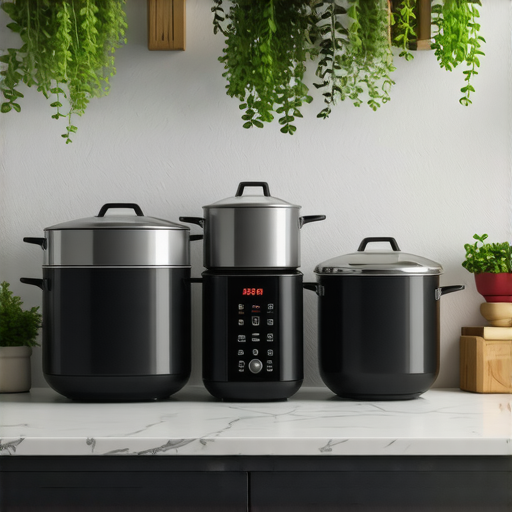
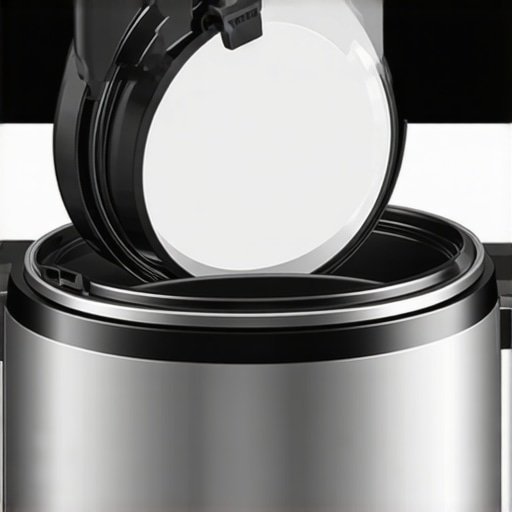
It was midnight, and I was desperately trying to finish a hearty stew before the kids’ bedtime. As I closed the lid on my brand new 2026 multicooker, a wave of frustration washed over me—the seal just wouldn’t hold. The pressure release kept clicking, and I knew I was about to get a kitchen disaster instead of dinner. That was my lightbulb moment: even the most advanced models can have their quirks, especially when new gaskets are involved.
If you’ve faced the same sinking feeling—your shiny new pressure cooker or slow cooker refuses to seal properly—you’re not alone. That uncooperative gasket is more than an annoying rubber ring; it’s the gatekeeper to perfect meals. But don’t worry. Today, I’ll walk you through three simple fixes that turned my frustrating experience into kitchen confidence. With these tips, I regained control over my pressure cooker, and I’m confident they’ll work for you too.
How a Small Gasket Issue Can Ruin Your Meal—and Your Day
In my early days of using a multicooker, I made the mistake of ignoring the importance of properly installing the gasket. A slight misalignment or a tiny bit of debris can prevent that satisfying seal from forming. What’s worse, these issues can lead to undercooked meals, safety warnings, or even the dreaded “burn” error. It’s easy to dismiss a missing or misplaced gasket as minor, but trust me, it’s the first thing to check if your cooker won’t build pressure.
The good news is that fixing a sealing problem isn’t complicated. Sometimes, a quick adjustment or cleaning is enough. Other times, you might need a new gasket altogether. But before jumping to replacements, I recommend trying these three fixes: ensure the gasket is seated correctly, clean it thoroughly, and inspect for damages. These steps might sound basic, but they’re often the key to getting your multicooker back to peak performance.
And if you’ve ever struggled with similar issues, I’ve been there too. Early on, I replaced gaskets prematurely, thinking they were faulty, but the real problem was a simple misalignment. That mistake cost me extra money and wasted precious cooking time. So, I’ll share some insider tips that will save you from my rookie errors and get your 2026 multicooker sealing smoothly again.
If this sounds familiar, don’t miss the upcoming sections. Together, we’ll explore how to troubleshoot your gasket and ensure your device is ready for that next flavorful batch. Curious about the common pitfalls? Check out this guide to recognize if your seal is truly failing. Now, let’s dive into the first fix that can make or break your cooking routine.
Check the Gasket’s Position Immediately
In my experience, the first step is to ensure the gasket is properly seated. Remove the lid and gently lift the gasket ring, then reseat it evenly around the lid’s groove. During one tense evening, I found my gasket slightly misaligned; simply adjusting it fixed the clicking pressure release and restored a proper seal. This quick fix often solves most sealing woes by eliminating misalignment or debris that can block pressure buildup.
Thoroughly Clean the Gasket and Seal Area
Residue or food particles can prevent a tight seal. Use warm water and a soft brush or cloth to scrub the gasket and the groove where it sits. Pay special attention to cracks or folds that may trap dirt. In my case, a quick scrub with dish soap eliminated a greasy film that had been reducing the seal’s effectiveness. For persistent odors or debris, consider applying a mixture of vinegar and baking soda, and rinse thoroughly. Clean components are crucial for maintaining an airtight seal, especially after long periods of storage or after cooking something sticky.
Inspect for Damage and Replace When Necessary
Look closely for cracks, tears, or warping. If the gasket feels brittle or shows signs of damage, replace it immediately. I learned this lesson after a gasket tear caused a leak during a complex stew. Keeping an eye on wear and tear can prevent safety hazards and cooking failures. When replacing, consult the user manual or order a genuine replacement at https://cookers.kitchentechhq.com/smelly-multicooker-ring-this-2026-tactic-works-in-seconds to ensure compatibility.
Ensure Proper Lid Locking and Alignment
Sometimes, the lid itself isn’t fully locked or aligned. Double-check the lid’s locking mechanism, ensuring it clicks into place and the lid aligns perfectly with the base. An unsealed lid will trigger the pressure release clicking constantly. I once hurried through closing the lid, which resulted in a continuous click. After slow, deliberate locking, pressure built up correctly again, and meal prep moved forward without issues.
Test the Seal with Water
After making adjustments, perform a simple water test. Fill the inner pot with half a cup of water, seal the lid, and turn on the cooker for a short cycle. If it pressurizes or shows signs of a proper seal without releasing water, you’re set. This test saved me from guessing if my gasket fix worked—saving time and frustration. For detailed troubleshooting, see https://cookers.kitchentechhq.com/why-your-pressure-cooker-meat-is-dry-4-easy-fixes. Always dry the cooker thoroughly before subsequent use to prevent moisture from undermining the seal.
Many home cooks believe they have a clear grasp of instant and multicookers, but in reality, misconceptions abound that can derail your cooking experience. One common myth is that all pressure cookers will naturally deliver perfectly tender meat without fuss; however, this overlooks nuances like the importance of the rest period to avoid dry, chewy results. As explained in expert advice, neglecting to let meat rest after pressure cooking can cause moisture loss and dryness—read more about this critical step at https://cookers.kitchentechhq.com/why-your-pressure-cooker-meat-is-dry-4-easy-fixes.
Another widespread misunderstanding concerns the versatility of slow cookers. Many think they are only suitable for soups and stews, but with the right techniques, slow cookers excel at tenderizing tougher cuts, making them ideal for healthy recipes like slow-cooked beef or shredded chicken. A common mistake is overfilling these devices, which hampers heat circulation and leads to uneven cooking. For advanced users, optimizing your slow-cooker settings can elevate your dishes—check out https://cookers.kitchentechhq.com/ultimate-guide-to-slow-instant-cookers-for-effortless-one-pot-dinners-today-2 for expert tips.
The ‘one-pot meal’ perception also harbors pitfalls. Many assume that a quick assembly guarantees a perfect dish, but timing and ingredient preparation are key. For example, adding vegetables too early can result in mushiness, a mistake easily avoided by understanding the timing nuances. This is especially important in pressure cooking, where overcooking can easily happen—learn how to prevent mushy rice and other textures by reviewing https://cookers.kitchentechhq.com/stop-making-mushy-slow-cooker-pork-try-this-2026-sear-trick.
Diving deeper, advanced cooks often fall prey to neglecting specific device features, such as the importance of proper sealing in multicookers. For instance, ignoring the need to clean the gasket thoroughly can cause pressure build-up issues, leading to underperforming results or safety concerns. Remember, maintaining your device is about understanding these hidden nuances—see https://cookers.kitchentechhq.com/smelly-multicooker-ring-this-2026-tactic-works-in-seconds for more.
What about the common belief that using excessive liquid results in richer flavors? Actually, overliquefying can dilute your dishes, and knowing the right ratios—like the 2026 rule for water-to-grain in pressure cooking—can dramatically improve taste. For detailed guidance, visit https://cookers.kitchentechhq.com/2026-cheat-sheet-for-pressure-cooker-water-to-grain-ratios.
Finally, many users overlook the importance of device calibration and safety features. Advanced models might have sensors and auto-locking lids, but these need to be correctly engaged and maintained. Regularly inspecting these parts can save you from unexpected failures.
Let’s be honest: understanding these subtle but crucial details turns a straightforward cooking process into a culinary success. Are you guilty of any of these misconceptions? Share your experiences below or explore more advanced tips at our comprehensive guides. Remember, mastering your equipment begins with recognizing what you might be getting wrong—so you can cook smarter, not harder.
Essential Tools to Maintain Your Pressure and Multicooker Over Time
Maintaining your pressure cooker or slow cooker isn’t just about cleaning it after use; it involves using the right tools and techniques to ensure longevity and consistent performance. One indispensable tool I rely on is a high-quality silicone gasket scraper. This simple device allows me to remove debris and residue from the gasket groove without damaging the rubber, as recommended in technical maintenance guides. Regularly inspecting the gasket for cracks or warping is vital, and a good LED flashlight helps me spot subtle damages that could compromise the seal. Additionally, a fine-tipped toothbrush is perfect for cleaning vent holes and Steam valves, preventing clogs that hinder pressure buildup, similar to what is outlined in the official safety checks for 2026 models.
Investing in a silicone spray designed for rubber parts can also prolong gasket life, keeping it supple and resistant to cracking over months of frequent use. I personally apply a thin coat every few months—it’s a small step that makes a big difference. For more detailed maintenance routines, see this guide. A well-maintained cooker not only functions better but also extends its lifespan, saving you money and frustration down the line.
How do I keep my pressure and slow cookers working efficiently over time?
To ensure your device remains reliable, sticking to a routine of thorough cleaning after each use is key. This includes disassembling the gasket and cleaning the grooves, inspecting the steam release valve for obstructions, and applying relevant lubricants or replacements proactively. Using a dedicated silicone gasket spray helps maintain the gasket’s flexibility, preventing cracks that can cause leaks—especially important as models like the 2026 multicooker introduce more advanced sealing mechanisms. Checking seals regularly with water tests, as discussed earlier, also catches issues early before they affect cooking. Embracing these maintenance practices keeps your cooker performing at its best, ensuring you get consistently delicious and safe meals every time.
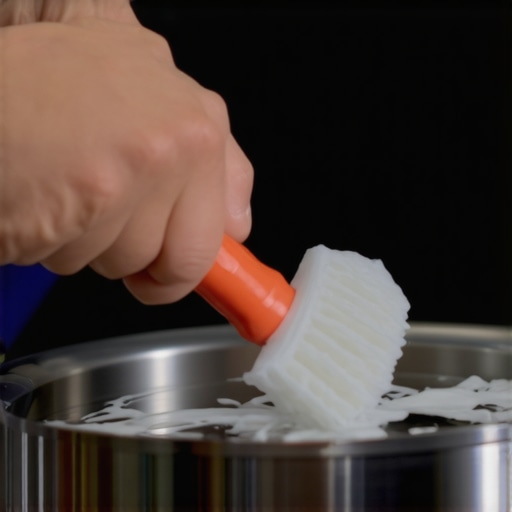
Image description: Close-up of a person’s hands cleaning a pressure cooker gasket, using a silicone gasket scraper with a clean workspace background. Alt text: Person inspecting and cleaning pressure cooker gasket for maintenance. Title: Proper Maintenance of Your Pressure Cooker Gasket
Lessons That Changed My Cooking Game
One of the most eye-opening lessons I learned was that patience and meticulous attention to detail reign supreme when dealing with pressure cooker seals. I used to rush the gasket installation, thinking it was just a rubber ring, until I realized that a misaligned gasket could cause safety issues and ruined meals. Now, I take my time, ensuring every component is seated perfectly, which saves me hours of troubleshooting later.
I also discovered that regular cleaning with proper tools keeps the gasket pliable and effective. Using a soft-bristled toothbrush and a vinegar-baking soda solution prevents residue buildup, extending the life of my gasket and maintaining optimal sealing performance. This proactive approach has transformed my cooking experience from frustrating to consistently successful.
Perhaps most importantly, I learned that understanding my specific multicooker model—like the 2026—gives me an edge. Reading the manual and following brand-specific tips ensures I avoid common pitfalls, such as misplacing the lid or neglecting to check for damages. These behind-the-scenes insights have empowered me to troubleshoot with confidence and upgrade my meal prep routines.
Tools That Keep My Kitchen Running Smoothly
If you’re serious about maintaining your pressure cooker gasket, investing in quality tools makes all the difference. A silicone gasket scraper is invaluable for removing stubborn debris without damaging the rubber. I also keep a high-powered LED flashlight handy to spot cracks or warping that might go unnoticed otherwise. Additionally, a gentle silicone spray designed for rubber parts helps keep the gasket supple and resistant to cracking over time.
Regular inspections using these tools have helped me preempt failures and ensure safety and efficiency during cooking. For further guidance, I recommend exploring specialized maintenance tips at this resource, which offers expert advice tailored for models like the 2026 multicooker.
Keep Your Cooking Confidence Alive
Remember, every time you care for your multicooker’s gasket, you’re investing in countless delicious meals ahead. Don’t let small issues hold you back from culinary adventures—approach maintenance with curiosity and patience. With the right mindset and tools, you’ll find that mastering your multicooker is less daunting and more rewarding than ever. So go ahead, experiment, troubleshoot, and turn every cooking session into a skill-building moment. The future of effortless, flavorful meals starts with you.
What’s your biggest lesson learned about pressure cooker seals? Share your story below—I’d love to hear how you’ve conquered gasket challenges in your kitchen!