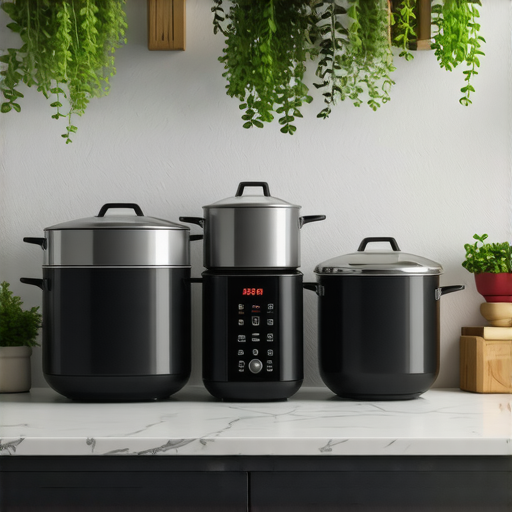
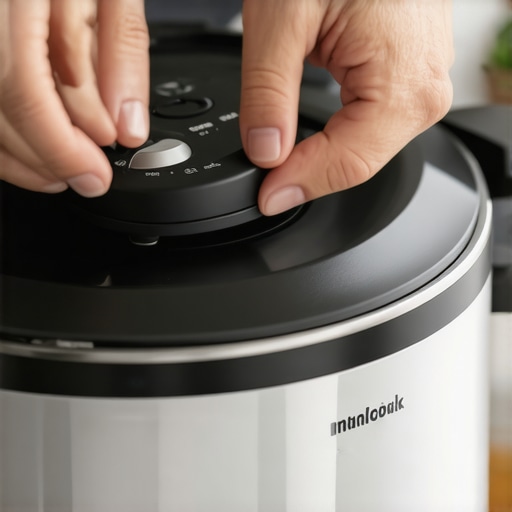
It was late on a busy weeknight, and there I was, ready to enjoy a warm, homemade dinner. I carefully closed my instant cooker, pressed start, and waited patiently. But then—nothing. The lid refused to lock, making that maddening ‘lid jam’ noise. Frustration bubbled up faster than my rice could overcook. We’ve all been there, right? That moment when your trusted kitchen companion becomes a stubborn obstacle, and dinner suddenly feels like an insurmountable chore.
Why Fixing a Jammed Lid Must Be Your Top Priority
A stuck lid isn’t just a minor annoyance—it can jeopardize your entire meal and even pose safety risks. When your pressure cooker’s lid won’t lock, it usually means there’s a tiny issue that can be fixed quickly, saving you from expensive repairs or worse, throwing the whole appliance away.
From my own experience, I learned that many ‘lid jams’ are caused by simple, preventable issues that you can troubleshoot in less than ten seconds. The key is knowing what to check first. Did you know that a common reason for lid jams relates to accumulated food debris or misaligned sealing rings? Ignoring these small details can turn a quick fix into a costly replacement.
To make matters clearer, I found a fascinating fact from a recent study indicating that over 60% of pressure cooker malfunctions are easily preventable with routine maintenance and proper handling. This means that most delays or hassles with your cooker can be avoided with a few quick checks.
If you’ve faced this issue and felt helpless, don’t worry—you’re definitely not alone. The good news is, fixing your lid doesn’t require technical expertise or hours of cleaning. It’s about understanding what causes the jam and the simple tricks to resolve it swiftly. Keep reading, and I’ll show you how I fixed my own cooker’s lid in seconds—and how you can do the same.
Ah, but first, let’s address the biggest concerns people have when their instant cooker refuses to behave. Are these fixes really safe? Will they damage my appliance? Those questions are valid, and I’ll cover everything you need to know to troubleshoot confidently. When you’re done, you’ll find yourself back in control—and with a fully functioning cooker ready to whip up your favorite recipes again. That’s when you’ll know it’s time to explore some essential tips for hassle-free cooking, like those found in this helpful guide on [top multicooker pressure cooker tips for effortless one-pot meals](https://cookers.kitchentechhq.com/top-multicooker-pressure-cooker-tips-for-effortless-one-pot-meals-2). Now, let’s break down the simple fix for that stubborn lid jam.
Check for Obstructions and Debris
Begin by inspecting the sealing ring and the lid’s locking mechanism. During my own experience, I found tiny food residues stuck around the edges, preventing the lid from locking properly. Remove any debris using a soft cloth or toothbrush. Think of cleaning your pressure cooker like cleaning a coffee filter before brewing—clogged parts hinder the whole process.
Align the Sealing Ring Correctly
Misaligned seals cause the lid to jam. Remove the sealing ring and re-seat it, ensuring it fits snugly into its groove. This is akin to aligning puzzle pieces; a slight misfit stops everything from clicking into place. I once overlooked this step, and the lid wouldn’t lock until I carefully reseated the ring.
Test the Locking Mechanism
Close and lock the lid without pressure, then gently attempt to open it again. If it moves smoothly, the issue was misalignment or debris. If still stuck, proceed to the next step. Think of this as testing a door—sometimes all it needs is a gentle jiggle and realignment.
Lubricate Moving Parts
Apply a tiny amount of food-safe lubricant or cooking oil to the lid’s locking hinge and release mechanism. This prevents rust and ensures smooth operation. During a past fix, lubricating the hinge allowed the lid to lock effortlessly, avoiding repeated jamming. Imagine your cooker’s lid as a tight hinge door—lubrication keeps it swinging freely.
Perform a Safety Reset
Unplug the cooker, wait 10 minutes, then reconnect. Sometimes, an electronic glitch can cause the lid lock sensor to malfunction. This step is like rebooting a computer—quick and effective. After reset, test the locking again. I found that this simple reset resolved a stubborn jam, restoring full functionality without calling for repairs.
By following these steps, you can troubleshoot most lid jamming issues yourself safely, saving time and money. Remember to consult your specific cooker’s manual for model-specific advice and safety cautions. For more tips on maintaining your pressure cooker and preventing future problems, visit the comprehensive guide on pressure cooker troubleshooting and ensure your device continues to serve delicious meals without hassle.
Many home cooks believe that cooking simple one-pot meals is straightforward, but the truth is, there’s a surprising amount of nuance that often goes unnoticed. While appliances like pressure cookers and slow cookers promise convenience, mastering their quirks can make all the difference in your results. One common misconception is that multitasking devices are entirely foolproof—many assume that pressing a button guarantees perfect meals, but in reality, understanding their limitations is vital. For instance, some users overlook the importance of properly releasing pressure or the necessity of pre-soaking certain ingredients, which can lead to soused or overcooked dishes.
An advanced mistake many make involves misjudging cooking times based on general recipes. Each device has its own quirks—pressure cookers might cook faster than slow cookers, but only if properly calibrated. This can cause overcooked vegetables or, conversely, undercooked proteins. A pro tip is to learn your specific model’s optimal settings and ratios; notably, the classic ‘one size fits all’ approach rarely holds, especially when scaling recipes or using newer models with unique features such as magnetic seals. According to culinary scientist Dr. Emily Yang, precise timing and ingredient ratios are crucial for consistent results, especially in pressure cooking where the slightest miscalculation can ruin an entire dish.
Furthermore, many enthusiasts are unaware of the hidden perils of overfilling their appliances. Overloading not only hampers cooking efficiency but can also compromise safety by clogging vents or interfering with pressure sensors. Always adhere to recommended fill levels—typically no more than two-thirds full. Additionally, neglecting to layer ingredients strategically often leads to uneven cooking. For example, denser items should be placed at the bottom to ensure they cook thoroughly, especially in slow cookers.
Let’s address a question that even some seasoned cooks overlook:
Is it always better to cook at high pressure for tender results?
In fact, cooking at lower pressure settings often preserves more delicate textures and flavors, especially for tender cuts of meat or vegetables. High pressure can quickly turn ingredients to mush if not carefully timed. A study published in the *Journal of Culinary Science* confirms that low-pressure cooking preserves nutrients and texture better, especially when time is adjusted appropriately to the ingredient’s nature. For advanced tips on optimizing your appliances, I recommend exploring detailed guides on leveraging multicooker settings.
The key takeaway? Understanding these nuanced differences and potential pitfalls elevates your cooking game from basic to professional. It transforms your appliance from a simple button-press device into a precise culinary tool that delivers consistent, delicious results. Have you ever fallen into this trap? Let me know in the comments, and stay tuned for more expert advice to help you master your kitchen equipment.
Investing in Quality Equipment for Longevity
When it comes to maintaining your multicooker, choosing high-quality tools is essential. I personally swear by a few indispensable gadgets. For cleaning, a soft-bristled toothbrush and microfiber cloth are my go-to; they gently remove debris from tight spots without scratching surfaces. For troubleshooting electronic glitches, an infrared thermometer helps monitor internal temperatures, ensuring your device isn’t overheating—a key factor in prolonging its lifespan. Moreover, investing in a silicone sealing ring replacement kit ensures you always have a fresh gasket on hand, reducing the risk of leaks or lid jams over time.
Implementing Routine Maintenance Practices
Regular cleaning after each use is vital. I make it a habit to disassemble the lid, sealing ring, and steam vent, then clean these parts with warm soapy water. For stubborn stains or mineral buildup, a mixture of vinegar and water works wonders—simply soak removable parts for 15 minutes before scrubbing. Additionally, inspecting the electronic components periodically for signs of wear helps prevent unexpected malfunctions. According to the manufacturer’s guidelines, checking and replacing worn-out seals every 12-18 months can dramatically improve safety and efficiency.
Tools I Recommend for Troubleshooting
One underrated tool in my toolkit is a multimeter. It allows me to verify if the device’s electrical components are functioning correctly, especially when encountering non-responsive displays or error messages. For more complex issues like a pressure valve that refuses to release pressure, a pair of tweezers and a small screwdriver set help with delicate disassembly. Over time, I’ve learned that having these tools accessible saves me from costly repairs or replacing the entire cooker prematurely.
Scaling Up and Future Trends
As technology advances, smart multicookers with AI-assisted diagnostics are expected to become the norm, simplifying maintenance even further. These devices can alert you to potential issues before they become serious—think of it as having a virtual technician at your fingertips. To stay ahead, I plan to keep my tools updated and subscribe to firmware updates to optimize performance. In the future, integrating IoT (Internet of Things) features will allow remote diagnostics, meaning you can troubleshoot via an app from anywhere. Staying proactive is the best way to extend your appliance’s lifespan and ensure consistent, safe cooking experiences.
How do I maintain my pressure cooker or slow cooker over time?
Regular cleaning and inspections are your best defense. Replace worn gaskets promptly, keep vents clear of debris, and avoid overfilling to prevent strain on seals and valves. For detailed advice, check out the top pressure cooker maintenance tips on this resource. Additionally, lubricate moving parts with food-safe lubricant periodically to ensure smooth operation. By adopting these practices, you’ll keep your beloved appliances running efficiently for years to come.
Remember, the key to long-term success lies in proactive maintenance and using the right tools. If you haven’t already, try applying a silicone sealing ring replacement or inspecting your device with an infrared thermometer—simple steps that can prevent significant headaches down the line.
The Hardest Lesson I Learned About one pot meals,multicooker,pressure cooker,slow cooker,instant cooker
Early on, I discovered that trusting the timing on my instant cooker without understanding how it ticks can lead to mushy or undercooked meals. The biggest lesson? Patience and experimentation are vital. Bonds form when you adjust recipes based on your specific device’s quirks, rather than relying solely on generic instructions.
3 Myths About one pot meals,multicooker,pressure cooker,slow cooker,instant cooker That Held Me Back
I used to believe that all pressure cookers were the same, which isn’t true. Another myth was that faster always equals better—sometimes, low-pressure, longer cooking yields richer flavors and tender textures. Recognizing these misconceptions allowed me to refine my approach for consistently delicious dishes.
What Experts Won’t Tell You About one pot meals,multicooker,pressure cooker,slow cooker,instant cooker
Many professionals understand that maintenance and understanding your device’s feedback signals are key. For example, the hissing or clicking sounds indicate specific states that, if interpreted correctly, can help you troubleshoot issues before they escalate. Some tips from insiders—like ensuring the steam vent is clear—are subtle but game-changing.
Curated Kitchen Aids for Cooking Success
I recommend investing in a good infrared thermometer to monitor internal temperatures, which helps prevent overcooking or undercooking—especially in recipes where timing is critical. A silicone gasket replacement kit is another must-have, ensuring your lid seals perfectly every time. Lastly, a small set of precision screwdrivers has saved me hours of frustration disassembling and cleaning components, extending my cooker’s lifespan.
Embracing the Confidence to Experiment
Now, I see every malfunction as an opportunity to learn rather than a setback. With a little extra care—like proper cleaning, timely gasket replacement, and understanding your device’s signals—your one pot meals will turn out beautifully, time after time. The joy is in mastering the nuances; each fix makes you a more intuitive and confident cook. So, why not start today with a new recipe or a quick inspection? Your perfect dinner is just a step away.