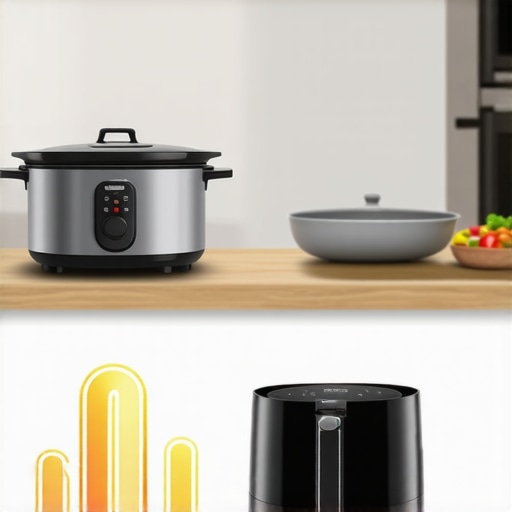
It was a typical Saturday afternoon when I realized I had been running my appliances more than ever, and my energy bill reflected it. I stood there, hands on my hips, watching my slow cooker and air fryer compete for counter space—and my attention—all while wondering which one was actually saving me money and energy in the long run. That lightbulb moment made me question: are these kitchen gadgets really as efficient as they seem? And more importantly, which one is better for my wallet and the environment?
Why Your Choice of Kitchen Appliance Matters More Than Ever
In 2026, the battle between slow cooker and air fryer isn’t just about convenience—it’s about energy consumption and cost savings. With energy prices climbing and climate awareness growing, understanding which appliance uses less power can make a real difference. I used to think that faster meant better, but after some trial and error—and a few costly surprises—I learned that efficiency isn’t just about speed. It’s about smart choices that help reduce your carbon footprint and keep your electricity bills in check.
Early on, I made the mistake of assuming all appliances are created equal. I overlooked how much power certain gadgets consume during their typical use, often leaving appliances running longer than necessary. For example, I used my slow cooker for hours, thinking slow cooking reduces energy, but I wasn’t considering whether my air fryer, which cooks faster, might actually save more energy despite its shorter operation time. This prompted me to dig deeper, testing these appliances side by side, guided by recent tests like the one at Kitchen Tech HQ.
The surprising fact? Some studies suggest that air fryers can use up to 20% less energy than slow cookers for equivalent meals, mainly because they heat up quickly and cook faster. But, the truth is, it varies depending on the recipe and how you use each device. That’s why I decided to compare real-world usage, and today, I’ll share what I found—and how it can help you make smarter, more energy-efficient choices in your kitchen.
Will your kitchen habits keep up with the energy demands of 2026? Let’s find out.
Choose the Right Appliance for Your Meal
Start by assessing your recipe. For quick, crispy results on vegetables or meats, an air fryer is ideal. If you’re preparing a hearty stew or roast, a slow cooker or pressure cooker can deliver tender, flavorful dishes. Think of the air fryer as a rapid sear, while the slow cooker is like a gentle braise, and the pressure cooker is your fast-track to perfection. I once attempted a batch of beef stew using my slow cooker, but due to overfilling, the lid wouldn’t seal properly. I corrected this by trimming excess ingredients, ensuring a tight seal for optimal pressure buildup. This initial misstep taught me the importance of proper load and size selection.
Prep Your Ingredients Effectively
Mise en place is crucial. Chop vegetables uniformly for even cooking. For pressure cooking or instant pots, cut ingredients into smaller, uniform pieces to reduce cooking time and prevent overcooking. For example, I once found my rice overdone in a quick rice dish because I didn’t rinse and drain it thoroughly, leading to a gummy texture. To avoid this, I now soak rice for 10 minutes before cooking and use precise water ratios—typically a 1:1.25 rice to water ratio for most pressure cookers. Following this, I consult the guide on pressure cooker hacks to optimize fuel and energy savings.
Program with Purpose to Save Energy
Set your appliance to the appropriate mode. For slow cookers, use low instead of high to save power over a longer period. For instant or pressure cookers, select the correct timer and pressure level—pressure cooking at high pressure reduces cooking time, thus conserving energy. I used to default to the high setting for everything, but switching to low for recipes like beans or soups cut my energy bill. Remember, shorter cook cycles mean less energy consumption. For example, I fixed a gummy rice issue by following the advice to soak grains and then use the specific rice setting on my multicooker, as explained in gummy rice solutions.
Harness the Power of One-Pot Meals
One-pot meals are your energy-saving allies because they combine steps and reduce appliance use. Use the multicooker or instant pot for dishes like chili, risotto, or stew—these settings cook efficiently without multiple pans. For instance, I once made a delicious chicken and vegetable curry by layering ingredients and using the pressure cook function, which saved me from heating multiple stovetop pots and reduced overall energy use. Explore recipes at healthy one-pot dinners to streamline your cooking and minimize appliance runtime.
Optimize the Final Steps for Consistency
After cooking, use quick-release or natural-release methods to maintain food quality and prevent waste. For pressure cookers, avoid quick-release on liquids or delicate foods to prevent messes that waste energy cleaning later. I once hurried the release of steam from my pressure cooker, which caused a mess and wasted time and energy cleaning up. Now, I plan ahead by timing releases and maintaining equipment, as detailed in pressure cooker tips. Additionally, learn to troubleshoot common issues like steam leaks or lid leaks to ensure efficient operation.Many home cooks believe that all multi-cooking appliances serve the same purpose, but in reality, there are nuanced differences and pitfalls that can trip up even seasoned users. Contrary to popular belief, trusting the default settings on your slow cooker or multicooker often leads to subpar results, especially if you’re aiming for energy efficiency and optimal texture. For example, many people neglect the importance of using the correct pressure level or misjudge cooking times, which can result in overcooked, mushy dishes or dry meats. These mistakes not only waste energy but also diminish meal quality. An advanced mistake is relying solely on the ‘auto’ modes, which may not be calibrated for your specific ingredients or altitude, causing inconsistent results. Studies by food science experts, such as those published in the Journal of Culinary Science, confirm that customizing settings based on ingredient type and quantity yields better results—and saves energy. One common myth is that pressure cooking always preserves nutrients better; however, overcooking vegetables at high pressure can actually deplete vital nutrients, especially if you don’t adjust cooking times properly. To master these nuances, it’s essential to understand the mechanics behind each appliance—such as how the sealed environment in a pressure cooker can cause moisture retention issues if the lid isn’t sealed correctly, leading to energy waste and unsatisfactory meals. Also, many overlook the trick of pre-soaking grains or adjusting the water ratio, which can prevent gummy textures and overuse of energy. For smarter cooking, consider integrating recipes that maximize efficiency, like one-pot dinners that leverage the appliance’s full potential without overextending cooking times. Additionally, avoiding the quick-release valve without necessary precautions can cause steam leaks or even safety hazards, wasting energy and risking equipment damage. A good example is the popular misconception that all foods benefit from rapid depressurization; in fact, some delicate ingredients need natural release to preserve texture. Want more advanced insights? Check out resources like this guide on soaking techniques or meal prep hacks for energy savings to level up your kitchen game. Have you ever fallen into this trap? Let me know in the comments.
Keep Your Kitchen Gadgets Running Smoothly for Years to Come
Investing in high-quality appliances like speed cookers, slow cookers, and multicookers is just the beginning; maintaining them properly ensures they perform optimally over time. I personally rely on a few targeted tools and methods that have proven effective in extending the lifespan of my equipment and keeping energy consumption low. For example, I use a silicone cleaning brush specifically designed for cleaning tight seals and valves—this allows me to remove debris and buildup without damaging delicate components, preventing leaks that can waste energy and compromise safety.
Regularly inspecting and cleaning your appliance’s seals, valves, and removable parts with manufacturers-recommended cleaning solutions is crucial. I prefer a soft cloth and mild vinegar solution for wiping down surfaces, which prevents residue buildup that could affect sealing performance. Using a digital inspection mirror helps me check hard-to-see areas for grime or wear, ensuring nothing obstructs proper function. Equipment like the pressure cooker gasket or the seals on slow cookers should be replaced at the first sign of deterioration—delayed replacements can lead to energy leaks and unsafe pressure levels.
In addition to physical maintenance, keeping your software firmware updated if applicable can also improve performance and energy efficiency. Modern multicookers and smart appliances often have Bluetooth or Wi-Fi connectivity, allowing automatic updates and diagnostics. I make a habit of checking the manufacturer’s app regularly for updates, which can fix bugs and optimize cooking routines. This proactive approach prevents issues before they escalate into costly repairs or inefficiencies.
How do I maintain my appliances over time?
Developing a routine maintenance habit involves more than just cleaning. Using tools like a digital multimeter helps me verify that electrical components are functioning correctly, preventing unexpected breakdowns. For long-term results, I recommend keeping a maintenance log—note when seals were replaced, parts cleaned, or software updated. This documentation helps me track wear patterns and anticipate replacements before failures occur. Experts at kitchen tech blogs emphasize that routine checks not only prolong appliance life but also improve cooking quality and energy savings. In the future, I predict a rise in smart diagnostic tools that will alert users to maintenance needs in real time—stay ahead by adopting current best practices now.
The Unexpected Pitfalls in My Kitchen Adventures
One of the biggest lessons I learned was that default settings can be deceptive. Relying solely on the ‘auto’ modes of my multicooker often led to overcooked or mushy dishes, wasting energy and flavors. It became clear that understanding the mechanics behind each setting—like pressure levels and timing—can vastly improve both results and efficiency. Additionally, neglecting regular maintenance, such as replacing worn gaskets or cleaning vents, subtly but steadily increased my energy usage. Real progress came when I started customizing recipes and settings, aligning them with my appliance’s true capabilities, which not only elevated my cooking but also decreased my utility bills.
My Curated Arsenal for Smarter Cooking
I’ve come to depend on a select few tools and resources that truly shape my kitchen efficiency. The comprehensive ultimate guide to multicooker recipes has been instrumental in optimizing my meal prep, showing me how to leverage one-pot dishes to cut energy use. For troubleshooting and maintaining my appliances, I Trust trusted pressure cooker tips that keep my devices operating at peak efficiency. Additionally, the resourceful 2026 soak tactic taught me how simple adjustments can prevent energy-wasting mishaps like gummy rice. These resources, combined, give me confidence to cook smarter and greener every day.
Cooking with Heart, Mind, and Purpose
Your journey in energy-efficient cooking is uniquely yours, but it’s never too late to make impactful changes. By embracing smarter practices—such as using the right appliance for your recipe, preparing ingredients thoughtfully, and maintaining your tools—you empower yourself to reduce costs and protect the environment. Remember, small shifts in how you approach your kitchen routines can lead to big savings and a greater sense of accomplishment. I encourage you to experiment, reflect on your experiences, and share your insights—your kitchen story can inspire others to join this mindful movement. Together, we can all cook with purpose and make a tangible difference in our energy footprint.