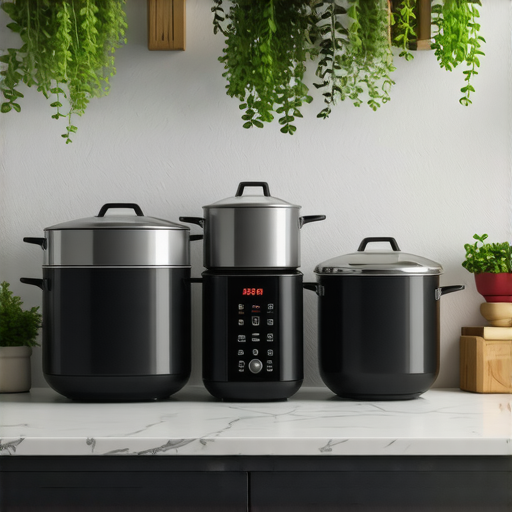
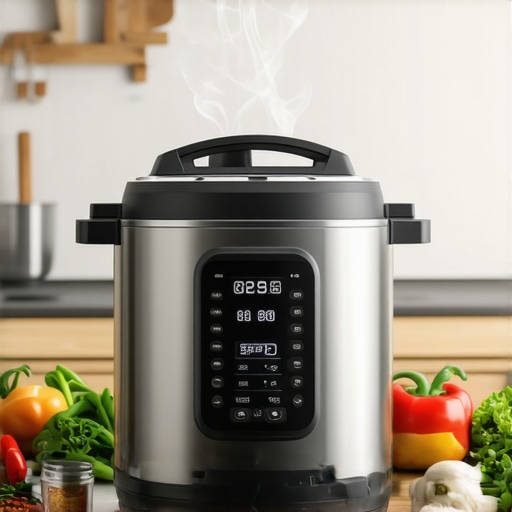
My Journey into the World of Multicookers and One-Pot Wonders
Like many home cooks, I was initially overwhelmed by the idea of using a multicooker. My first experience was a bit chaotic—trying to juggle multiple pots and pans on a busy weeknight. But once I discovered the magic of the multicooker, especially for one-pot meals, everything changed. It’s become my go-to kitchen gadget for quick, delicious, and fuss-free dinners.
Why I Swear by Multicooker Tips for One-Pot Meals
Over time, I’ve picked up some invaluable tips that have transformed my cooking routine. The key is understanding your device and mastering simple techniques that maximize flavor and efficiency. For example, knowing how to layer ingredients properly or how to use the pressure cook setting can really elevate your meals. As I delved into the world of multicookers, I found that a few well-honed tips consistently made my dishes turn out perfect every time.
My Favorite Tips for Perfecting Your One-Pot Dinners
How do I ensure my meals are flavorful without overcooking or undercooking?
Balancing timing is crucial. I always start with a good base—sautéing onions and garlic directly in the multicooker if it supports that function. Then, I add my ingredients in order, ensuring tougher vegetables or meats go in first, followed by quicker-cooking items. I also use natural pressure release when cooking tougher cuts, which helps retain moisture and flavor. For more detailed tips, I recommend checking out this comprehensive guide.
Can I really save time and effort with just a few simple tricks?
Absolutely! One of the biggest advantages of mastering multicooker tips is the time saved. I no longer need to watch over my pots constantly. Instead, I set my multicooker, press a button, and focus on other things—like setting the table or preparing a salad. Plus, cleaning up is a breeze because everything stays in one pot. It’s a real game-changer for busy weeknights or when I want a comforting meal without the hassle.
Let’s Make It Even Easier—My Top Secret Technique
Ever wonder how I keep my dishes consistently tasty? It’s all about layering flavors and using the right settings. For instance, I always brown meat or sauté vegetables first, then switch to pressure mode. This method locks in flavors and tenderizes ingredients beautifully. Also, I learned that adjusting the cooking time slightly longer than the recipe suggests can prevent undercooked meals, especially with tougher cuts of meat.
Join the Conversation and Share Your Tips!
Have you tried any of these tips? Do you have your own secret to perfect one-pot meals? I’d love to hear your experiences—leave a comment below or share your favorite multicooker recipes. Remember, mastering a few key techniques can turn your busy weeknights into stress-free, delicious dinners.
Unlocking the Full Potential of Your Multicooker for Flavorful One-Pot Dinners
As an experienced home chef, I’ve learned that understanding the subtle nuances of your multicooker can elevate your cooking from good to exceptional. One of the most overlooked aspects is the importance of ingredient layering, which ensures each component cooks optimally without sacrificing flavor or texture. For instance, placing denser ingredients like root vegetables or tougher cuts of meat at the bottom of the pot allows them to benefit from the direct heat, while delicate items such as leafy greens or quick-cooking vegetables are added later or cooked separately. This technique prevents overcooking and maintains ingredient integrity, leading to more balanced and flavorful dishes.
How can I adapt my cooking techniques to different multicooker models and settings?
Given the variety of multicooker brands and models, adjusting your approach is crucial. Many devices offer multiple functions—pressure cooking, slow cooking, sautéing, and steaming—that can be combined for versatile meal prep. For example, starting with a sauté function to brown meats and aromatics, then switching to pressure mode for tenderizing, maximizes flavor infusion. Additionally, recognizing the specific timing and pressure levels recommended for your device can prevent common pitfalls like undercooked rice or overdone stews. Consulting your user manual and experimenting with small adjustments can help you tailor recipes to your appliance. For deeper insights, explore this comprehensive guide.
Are there strategic ways to enhance the nutritional value of your one-pot meals?
Absolutely. Incorporating a variety of colorful vegetables not only boosts visual appeal but also enriches the meal with essential vitamins and antioxidants. To preserve maximum nutrients, add delicate greens or herbs toward the end of cooking rather than at the beginning. Another effective approach is using bone broth or nutritious stocks as your cooking liquid, which infuse additional flavor and minerals. Moreover, choosing lean proteins and whole grains can make your meals more balanced and healthful without complicating preparation. For more tips on nutritious cooking, check out this expert article.
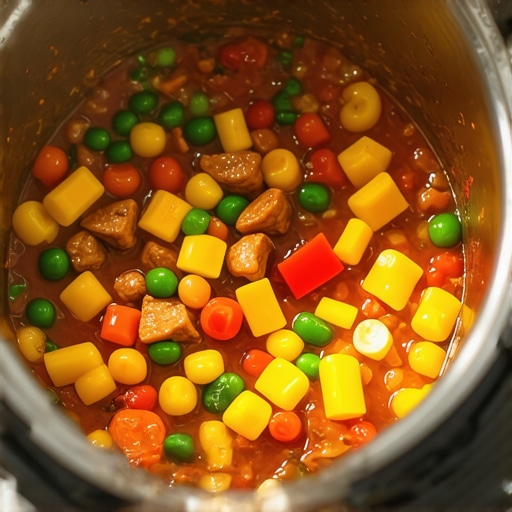
This image shows a vibrant, colorful one-pot meal prepared in a multicooker, highlighting fresh vegetables and tender meats, illustrating the importance of ingredient layering and presentation.
What are some common mistakes to avoid when cooking with a multicooker for perfect results?
One frequent mistake is overfilling the pot, which can impede proper pressure build-up and lead to uneven cooking. Always adhere to the maximum fill lines specified in your device’s manual. Another error is neglecting to adjust cooking times based on ingredient size and type; tougher cuts require longer pressure or slow cooking, while quick-cooking ingredients need less time. Additionally, not allowing sufficient natural pressure release can cause dishes to be overcooked or overly moist. Learning to read your device’s cues and experimenting with small batch tests can help avoid these pitfalls. For more detailed troubleshooting, visit this trusted resource.
If you find these insights helpful, consider sharing your own tips or favorite recipes in the comments below. Engaging with fellow enthusiasts can inspire new ideas and deepen your culinary mastery with multicookers.
Delving Into the Nuances of Ingredient Layering and Timing
One of the most rewarding aspects of using a multicooker is uncovering the subtle art of ingredient layering. Over the years, I’ve realized that placing ingredients in the right order can dramatically influence the final flavor and texture. For example, I always add denser, tougher ingredients like root vegetables or larger meat cuts first, allowing them ample time to tenderize and absorb flavors. Delicate greens or quick-cooking vegetables are added later or cooked separately, preventing overcooking and ensuring freshness in each bite. This approach not only enhances taste but also preserves the vibrant colors and textures that make each dish visually appealing.
Adapting Techniques to Diverse Multicooker Models and Settings
With the plethora of multicooker brands and models, tailoring your technique to your specific device is essential. I’ve found that understanding the unique features—such as different pressure levels, sauté functions, or preset programs—can unlock new levels of culinary precision. For instance, some models allow you to customize cooking times or adjust pressure settings manually, which is invaluable for achieving consistent results. My advice is to spend time experimenting with small batches—browning meat on sauté, then switching to pressure mode—while consulting your user manual. This iterative process helps develop a personalized recipe style that leverages your appliance’s strengths. For further guidance, I often revisit this comprehensive guide which has been a treasure trove of insights.
Enhancing Nutritional Value Without Complicating Preparation
Integrating nutritional wisdom into my cooking routine has been a game-changer. I prioritize adding a rainbow of vegetables—think carrots, peppers, spinach—at strategic points during cooking to maximize vitamin retention. For example, greens and herbs are best added at the end of the cooking process, preserving their delicate nutrients and bright flavors. Using nutrient-rich broth or stock as the cooking liquid infuses meals with minerals and depth, making each bite more wholesome. Lean proteins and whole grains complete the picture, offering balanced nutrition without sacrificing convenience. For those interested in healthy, flavorful cooking, I highly recommend exploring this expert article that dives deeper into nutritious meal prep.
Addressing Common Pitfalls with Practical Solutions
Overfilling the pot is a mistake I’ve learned to avoid through experience. It hampers pressure build-up and can lead to uneven cooking. Always adhere to the maximum fill lines specified in your manual. Additionally, I’ve found that adjusting cooking times based on ingredient size and type is crucial; tougher cuts need longer pressure or slow cooking, whereas vegetables require less time. Not allowing sufficient natural pressure release can also affect texture—so I make it a habit to wait patiently for the pressure to subside naturally, ensuring optimal results. If you’re fine-tuning your technique, I suggest reading this trusted resource for troubleshooting tips. Sharing your own experiences and tips in the comments can foster a community of passionate home cooks eager to learn from one another.
Exploring the Deeper Aspects of Multicooker Mastery
What truly elevates your cooking is understanding the interplay of heat, moisture, and timing—an aspect I’ve come to appreciate deeply. For instance, mastering the delicate balance between sautéing and pressure cooking can unlock complex flavors in simple ingredients. I’ve experimented with extending cooking times slightly beyond recipe recommendations when working with tougher cuts, which results in melt-in-your-mouth tenderness. Moreover, recognizing the specific nuances of your device—such as how it responds to different pressure levels—empowers you to adapt recipes on the fly. This kind of mastery transforms a basic meal into a culinary experience, making every dinner an opportunity for creativity and refinement. For those eager to dive even deeper, exploring detailed guides on multicooker techniques can be incredibly inspiring.
Harnessing the Power of Sequential Cooking Layers for Complex Flavors
One of the most underappreciated skills in multicooker mastery is the art of sequential ingredient layering. This technique allows you to develop complex flavors by deliberately choosing the order in which ingredients are added. For instance, I start with sautéing aromatic ingredients like onions, garlic, and spices directly in the multicooker, which creates a flavorful base. Then, I add denser components such as root vegetables or tougher cuts of meat that require longer cooking times. Delicate ingredients like leafy greens or quick-cooking vegetables are added either later or at the end of cooking, ensuring they retain their vibrant color and texture. This method prevents overcooking delicate items while allowing tougher ingredients to reach optimal tenderness, ultimately resulting in dishes that are both flavorful and texturally balanced. For an in-depth look at optimizing ingredient layering, check out this comprehensive guide.
Adapting Advanced Techniques to Your Specific Multicooker Model
With the diversity of multicooker brands and their unique functionalities, tailoring your approach is crucial for perfection. Many advanced models offer customizable pressure levels, precise temperature controls, and multiple preset functions that can be combined for sophisticated culinary techniques. I recommend experimenting with your device’s features—such as starting with a sauté function to develop flavors, then switching to high-pressure mode for tenderizing tougher ingredients. Understanding your specific model’s pressure and timing nuances—such as how it responds to different settings—can significantly improve consistency. For example, some models allow you to adjust pressure levels manually, which is invaluable for delicate dishes like risottos or custards. Consulting your user manual and conducting small batch tests can help you fine-tune your recipes. To deepen your expertise, I suggest exploring this in-depth resource.
Elevating Nutritional Content with Strategic Ingredient Choices
Incorporating nutrient-dense ingredients is an area where advanced multicooker techniques shine. To maximize health benefits, I focus on adding a rainbow of vegetables—such as carrots, peppers, and spinach—at specific stages during cooking. For instance, greens and herbs are best added towards the end, preserving their delicate vitamins and bright flavors. Using nutritious liquids like bone broth or fortified stocks enhances mineral content and imparts rich flavor. Furthermore, selecting lean proteins and whole grains not only balances the meal but also simplifies preparation without sacrificing nutritional value. For comprehensive tips on healthful cooking, I recommend reading this expert article.
Overcoming Common Challenges with Precision Adjustments
Even advanced users encounter pitfalls like overfilling or improper timing. To prevent this, I always adhere to the maximum fill lines specified in my device’s manual, ensuring proper pressure build-up. Adjusting cooking times based on ingredient size and type is essential; tougher cuts require longer pressure or slow cooking, while vegetables need less time. Additionally, I always allow for sufficient natural pressure release, which helps retain moisture and prevents overcooking. I’ve found that experimenting with small adjustments—like extending cooking times slightly—can significantly improve results. For more detailed troubleshooting tips, I recommend visiting this trusted resource.
Deepening Your Understanding of Multicooker Dynamics
To truly excel, it’s vital to understand the delicate interplay between heat, moisture, and timing. Mastering this balance transforms simple ingredients into culinary masterpieces. For example, I often extend cooking times marginally when working with tougher cuts, which results in melt-in-your-mouth tenderness. Recognizing your device’s response to different pressure levels and adjusting accordingly allows for precise control. This nuanced understanding elevates your cooking from routine to refined, enabling you to craft dishes that are both complex and satisfying. For those eager to explore further, I recommend exploring detailed guides on multicooker techniques, which can be a wellspring of inspiration for elevating your culinary skills.
Things I Wish I Knew Earlier (or You Might Find Surprising)
The Power of Ingredient Placement
One of the most eye-opening lessons I’ve learned is how crucial ingredient layering is. Placing denser, tougher ingredients at the bottom allows them to cook evenly and absorb flavors better, while delicate greens or quick-cooking veggies are added later or at the end. It sounds simple, but this little trick transformed my dishes from okay to extraordinary.
Don’t Overcrowd the Pot
I used to pack my multicooker with as many ingredients as possible, thinking more is better. Turns out, overfilling prevents proper pressure build-up and leads to uneven cooking. Now I stick to the max fill lines and my meals come out perfectly tender and flavorful every time.
Patience Is a Virtue — Especially with Pressure Release
Rushing the natural pressure release process can cause overcooked, mushy textures. I’ve learned to be patient and let the pressure subside naturally. The difference in texture and flavor is incredible, making my meals taste more chef-like.
Mastering Your Device’s Nuances
Every multicooker is a little different. Spending time experimenting with your specific model’s functions—like adjusting pressure levels or cooking times—can unlock new flavors and textures. My favorite discovery was how a slight tweak in pressure helped perfect my risottos and stews.
Nutritional Boosts Make a Difference
Adding a variety of colorful vegetables and finishing greens at the end preserves nutrients and vibrancy. Using nutritious stocks or broths as the cooking liquid boosts mineral content and flavor naturally. It’s my secret to healthier, tastier meals without extra effort.
Resources I’ve Come to Trust Over Time
- Ultimate Multicooker Guide — Top Tips for Perfect One-Pot Meals 2024: An incredible resource that helped me understand the nuances of different devices and perfect my technique. I highly recommend it for anyone serious about mastering their multicooker.
- Top Slow Cooker Tips for Perfect One-Pot Dinners: Great for expanding your repertoire of slow-cooker magic, which complements multicooker skills perfectly.
- Best Pressure Cooker One-Pot Meals for Busy Weeknights: A collection of quick and delicious recipes that inspired me to get creative with my device.
Parting Thoughts from My Perspective
Mastering the art of using a multicooker for one-pot meals has truly transformed my approach to home cooking. From ingredient layering to understanding my device’s unique features, each small adjustment has led to tastier, more nutritious dishes with less stress and cleanup. I believe that with a little patience and experimentation, anyone can turn their multicooker into a culinary powerhouse. If this resonated with you, I’d love to hear your own tips or experiences—feel free to share in the comments or pass this article along to a fellow foodie. Happy cooking!
I really relate to the initial overwhelm many of us face when starting with multicookers. My first few attempts were a bit chaotic too, but once I understood the importance of ingredient layering and adjusting cooking times based on the ingredients’ toughness, my dishes improved significantly. I love the tip about browning meat or sautéing aromatics first—this really boosts flavor and gives the dish a depth I hadn’t expected from just one pot. One thing I’ve noticed is that keeping a mental or written note of each model’s specific quirks, like pressure levels and preset functions, can save a lot of frustration. Have others found that customizing their approach to different models really makes a difference? I’d be interested in hearing how you’ve tweaked your techniques when switching between devices.
Reading through this post really resonated with me, especially the part about ingredient layering and understanding the specific functions of your multicooker. I used to think the magic was just in the ingredients, but now I realize the tech behind the device plays a huge role in perfecting my meals. I’ve been experimenting with different brands and models over the years, and I’ve found that customizing the timing and pressure settings based on the ingredients really makes a difference. For example, tougher cuts of meat almost always benefit from longer pressure, while quick-cooking vegetables need a shorter cycle, or sometimes, I add them after pressure cooking to prevent overcooking. Has anyone tried using the saute feature extensively before switching to pressure mode? I’d love to hear how that influences flavor and texture for you guys—sometimes I think that initial sear adds so much depth. Also, I’d recommend keeping a simple log of your experiments with each device—this helps me make adjustments much faster. It’s all about that fine balance between maximizing flavor and preventing overcooking, but with a bit of note-taking, it becomes second nature.
This post really hit home for me, especially the part about ingredient layering and understanding your specific multicooker model. I’ve noticed that different brands and even different models within the same brand can behave quite differently, which makes troubleshooting a bit tricky. I started keeping a detailed log of my experiments—adjusting times, pressure levels, and order of ingredient addition—and it’s been a game-changer. For example, I found that browning the meat first not only adds depth but also seals in juices, making the final dish much more flavorful.
Regarding your question about using the sauté feature extensively before pressure cooking, I do that often. It really helps develop flavors early on, almost like a slow simmer in traditional cooking, but faster. Has anyone tried adding delicate herbs or greens during the pressure cycle? Sometimes I add herbs at the end to preserve freshness, but sometimes I find throwing them in at the beginning infuses the whole dish. What’s your experience? Would love to hear others’ tips on balancing flavor infusion and maintaining ingredient integrity.
I really appreciate how this post emphasizes the importance of ingredient layering and understanding your specific multicooker model. Over the years, I’ve found that taking the time to experiment with my device’s various functions—like sauté, pressure, and slow cook—not only improves my results but also gives me more confidence in choosing the right technique for each recipe. I completely agree with the suggestion to keep a log of adjustments; I do that myself and it has saved me so much time troubleshooting. One thing I’ve started doing is experimenting with adding delicate herbs or greens at the end of the cooking process to preserve their vibrant flavors and nutrients. Has anyone tried adding herbs during pressure cooking to see if it enhances the flavor, or does that risk losing freshness? I’d love to hear others’ experiences on balancing flavor infusion without overcooking delicate ingredients.
This article really resonated with me, especially the part about ingredient layering and customizing techniques for different multicooker models. I used to follow recipes blindly, but I found that experimenting with the order of ingredients and adjusting pressure settings based on the type of meat or vegetables really makes a difference. For example, searing meat first on the sauté mode before switching to pressure cook has elevated my dishes significantly—adding that initial flavor depth. I’ve also started keeping a simple log on my phone documenting cooking times and settings for different recipes and devices, which saves me a lot of guesswork. Has anyone here found that blending different techniques, like sautéing herbs during the initial phase and adding delicate greens later, helps preserve nutrients and flavor? I’m curious about how others balance flavor infusion with ingredient integrity. Also, do you think that the type of pressure release—natural vs. quick—affects the final texture and taste? Would love to hear your insights and tips!
This post perfectly captures how my perspective on using multicookers has evolved over time. I used to stick rigidly to recipes, but I quickly learned that understanding the specific behavior of my model makes all the difference. I appreciate the emphasis on ingredient layering—starting with denser vegetables and tougher meats really does improve both flavor and texture. One thing I’ve experimented with is using the sauté function more extensively; browning meat and aromatics before pressure cooking really does add depth, like you mentioned. I’ve also found that adjusting cooking times based on ingredient size is crucial—smaller pieces cook faster and can over-reduce if not careful. For those trying to perfect their results, do you find keeping a detailed log of settings helps? I’ve started doing that and it’s been a game-changer. Also, does anyone else experiment with adding fresh herbs at different stages to balance flavor and freshness? Would love to hear your tips on that.