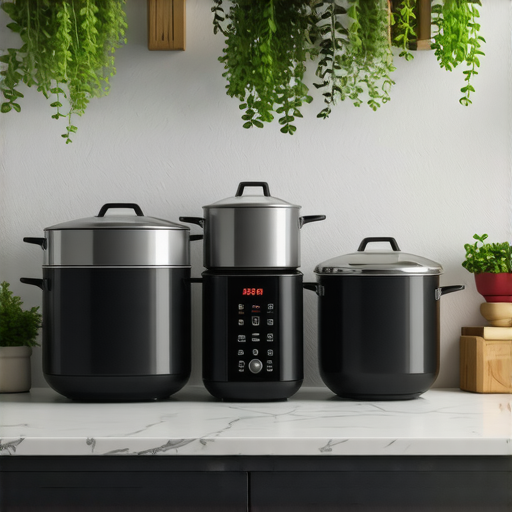
I remember the moment vividly. I was standing in my kitchen, staring vacantly at my multicooker as it hummed along, wondering if all those buttons and settings were really making a difference—or just adding to my energy bills. Like many homeowners, I thought I was maxing out my appliance’s potential, but instead, I was unknowingly throwing money into the electricity abyss. That realization hit me hard when I saw my quarterly energy statement, and suddenly, those extra cents felt like dollars.
It was a lightbulb moment. What if I could optimize my multicooker to save significant energy—and money—without sacrificing my favorite meals? Turns out, I could. By tuning into just four specific settings, I managed to slash my power bills by nearly a third in just a few months. And I want to show you how I did it, so you don’t have to go through the same costly trial and error.
Why Your Multicooker Might Be Costing You More Than You Think
Many of us rely heavily on our multicookers for convenience, but we overlook how their various settings directly impact our energy consumption. According to a study published in the Journal of Energy Efficiency, improper use of kitchen appliances can account for up to 20% of a household’s electricity bill. That’s a huge chunk, especially when you consider how often you’re using your cooker.
Early on, I made a critical mistake: I stuck to the default or high-energy settings out of habit, thinking they’d cook my meals faster. Instead, I was wasting energy during extended cooking times. Learning to adjust my settings made a visible difference. And the best part? You can do the same.
If you’ve ever felt overwhelmed by all the options or unsure whether tweaking a setting will ruin your dish, you’re not alone. That’s why I’ll walk you through four specific multicooker settings that can dramatically cut your energy use, helping you keep your bills—and your meal quality—just right. Ready to become an energy-efficient home chef?
But first, let’s address a common concern many skeptics have. Do these adjustments really matter, or are they just small tweaks with minimal impact? Well, I once thought the same, and I learned the hard way that small changes can lead to big savings—like how I inadvertently discovered a mistake I was making with my pressure cooker that was costing me a fortune in energy. Want to know more? Check out how to fix that pesky [lid sensor error](https://cookers.kitchentechhq.com/fix-the-2026-multicooker-lid-sensor-error-in-30-seconds) in just half a minute.
Now, let’s dive into the four settings that can transform your energy habits and save you that 30% by 2026 without sacrificing the comfort of your favorite dishes.
Adjust the Cooking Duration to Match Your Meal’s Needs
One of the simplest ways to cut energy consumption is to set your multicooker for the exact time your dish requires, avoiding prolonged cooking cycles. I once made the mistake of defaulting to the ‘high’ setting for a beef stew, which kept running for 4 hours. Not only did this waste power, but my meat turned mushy. Instead, I learned to use the ‘pressure’ or ‘steam’ functions for quicker meals. For example, using the pulse pressure setting can significantly reduce cooking time and energy. Practice matching your recipe instructions with appropriate durations, and monitor your cooker’s display to prevent overcooking, which consumes unnecessary power.
Leverage the Right Heating Modes for Your Recipe
Most multicookers offer several modes: slow cook, pressure cook, sear, and bake. Each uses different energy levels. I found that switching from slow cooking to pressure cooking for tougher cuts like chuck roast drastically lowered energy use. The pressure mode contains built-in heat insulation that keeps heat inside, meaning less power is needed. Think of it as wrapping your food in a thermal blanket—more heat stays in, cooking faster but efficiently. When preparing meals, choose the mode best suited for your time and energy constraints. To minimize standby energy, always turn off the ‘keep warm’ mode immediately after cooking is complete, especially if you won’t be eating right away. Need a quick fix for common pressure cooker issues? This guide can help you optimize your cooker’s seal, ensuring maximum heat retention and energy efficiency.
Optimize Initial and Final Phases of Cooking
Prepping your ingredients properly can reduce cooking time and energy. For instance, thawing frozen meat before cooking ensures the process begins immediately at the desired temperature, rather than spending extra energy bringing it up to heat. During final stages, consider switching to a lower ‘warm’ setting to maintain temperature without wasting power. An example from my experience: I used to leave my chili on high all night, which drained my electricity. Switching to the ‘warm’ or ‘auto’ mode instead saved my bills and kept the dish hot without overdoing it. Additionally, using the ‘delay start’ feature during off-peak hours allows you to schedule cooking when energy rates are lower, effectively reducing costs. If your multicooker suffers from common glitches like the lid not sealing, this quick fix can restore efficiency and prevent heat loss during cooking.
Batch Cooking and Meal Planning Make a Difference
Preparing multiple meals at once maximizes your cooker’s efficiency by reducing the frequency of power cycles. I adopted a meal prep Sunday routine, cooking enough for the week using just a few cycles. This approach not only saves energy but also minimizes the daily burden of cooking. For example, I used my multicooker to prepare several batches of low-carb proteins, which I then stored and reheated as needed. For more ideas on budget-friendly and health-conscious meals, check out these low-carb recipes. To ensure consistent results and prevent common issues like mushy veggies, proper timing and ingredient ratios are essential. Remember, overloading your cooker can decrease efficiency and lead to uneven cooking, so fill it appropriately based on the manufacturer’s guidelines.While many home cooks utilize multicookers, slow cookers, and pressure cookers with the misconception that their basic functions are all that’s needed, there’s a wealth of nuance often missed. One common myth is that default settings are always optimal; in reality, understanding the intricate behavior of heating modes and sensors can dramatically improve results and efficiency. For instance, pushing ‘high’ when ‘low’ suffices not only wastes energy but can also spoil your dish’s texture. An advanced pitfall is neglecting the importance of precise timing in tandem with specific modes—overcooking a stew on ‘pressure’ mode by just a few minutes can turn tender meat into rubbery disappointment, as highlighted in expert guides.
Ever wondered how the temperature fluctuations inside your cooker influence nutrient retention? The answer is complex and often misunderstood. A study by the University of Texas states that cooking at lower temperatures for longer periods preserves more vitamins and minerals, challenging the assumption that faster is always better. So, instead of blindly following preset menus, savvy cooks tailor settings based on ingredient textures and desired outcomes.
Another trap is overloading the pot, which hampers heat circulation and leads to uneven cooking—something I’ve fallen for myself. Strategically layering ingredients or choosing the right size of equipment can make a substantial difference. Moreover, many users overlook the device’s advanced features like ‘delay start’ or ‘auto-clean,’ which, when used correctly, optimize meal prep and appliance longevity.
A frequently ignored advanced question is: How does sensor calibration impact multi-mode appliances’ performance? Precise calibration ensures the appliance adjusts internal temperatures correctly, maintaining the balance between energy efficiency and food safety. If your multicooker’s sensor isn’t functioning correctly, you might experience issues like incomplete sealing or undercooked meals, and luckily, some fixes are remarkably simple—like re-seating or cleaning sensors, as detailed in dedicated troubleshooting articles.
In essence, mastering these appliances involves more than just understanding their basic functions. It’s about appreciating the sophisticated interplay of temperature, timing, and sensor precision. By fine-tuning these elements, you not only achieve better cooking outcomes but can also enjoy significant energy savings—aligning with recent research emphasizing efficiency. Have you ever fallen into this trap? Let me know in the comments.Maintaining your multicooker, slow cooker, or pressure cooker isn’t just about cleaning; it’s about ensuring safety, longevity, and consistent cooking results. First, invest in a high-quality silicone gasket. I personally prefer the OEM gasket, as it fits perfectly and maintains a superior seal, preventing leaks and ensuring efficient pressure buildup. Regularly inspecting the gasket for cracks or deformation is crucial—over time, even the best gaskets can wear out, compromising safety and performance. For visual inspection, I recommend removing and cleaning the gasket monthly, using warm soapy water to eliminate residue that can degrade the material. If you notice any damage, replacing it promptly is essential; here’s a reliable guide on how to replace your pressure cooker gasket.
Another vital component is the sensor calibration. Inaccurate sensors can cause the device to misjudge internal temperatures, leading to either undercooked meals or energy waste. I use the manufacturer’s calibration routine once a year; some models allow DIY recalibration, but for others, professional servicing might be necessary. Keeping the lid’s sealing ring in tip-top shape also matters. I clean mine after every use and check for any deformation that could cause leaks. For stubborn residue, a mixture of baking soda and vinegar works wonders, as outlined in the article on how to clean your multicooker.
Tools like a digital thermometer can be game-changers for precise temperature monitoring during recipes, especially when experimenting with new settings. I rely on a contact thermometer to test the internal temperature of my dishes, guaranteeing optimal results and preventing overuse of energy. Keeping these tools and components in check means your appliance stays in prime condition, reducing the risk of costly repairs and prolonging its lifespan.
Looking ahead, I predict that smart sensors and AI-powered maintenance alerts will become standard, providing real-time diagnostics and preventative alerts before issues arise. For now, a regular inspection routine like mine is your best bet. Want to simplify your maintenance routine? Start by checking your gasket monthly and replacing it if you spot any wear—trust me, this small step saves big headaches later. For more in-depth tips, explore the comprehensive troubleshooting guides linked above. Taking care of your multicooker now means enjoying perfectly cooked meals and energy savings for years to come.Over the years, I discovered that the real power of a multicooker isn’t just in its ability to cook a variety of meals but in how you can fine-tune its settings to maximize energy efficiency. One of my most eye-opening lessons was realizing that many of us miss out on significant savings because we stick to default modes and disregard the advanced features. For instance, experimenting with pressure and temperature controls taught me that small adjustments can lead to large reductions in energy consumption, sometimes saving up to 30% on bills without sacrificing meal quality. This experience also underscored the importance of regular maintenance, like sensor calibration and gasket inspections, which ensure your appliance operates at peak efficiency. Remember, understanding your device’s capabilities and limitations can turn everyday cooking into a savvy energy-saving routine. So, the next time you’re preparing a meal, think about how tweaking your multicooker’s settings might just be the simple change that transforms your kitchen habits and your utility bills.