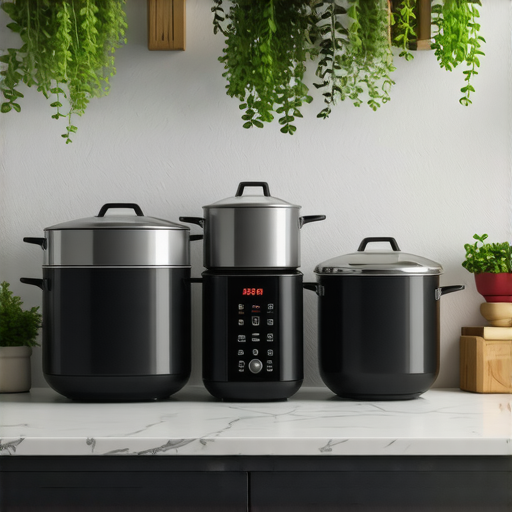

It was late one Sunday afternoon when I finally decided to pull out my new multicooker—an eager upgrade from my trusty old slow cooker. As I loaded the ingredients, I noticed a weird, sticky residue on the ceramic coating. A little alarm bell went off in my head. Was this coating safe? Could it be harmful with regular use? That moment of doubt made me realize how little I actually knew about the safety of these popular kitchen gadgets, especially the ceramic coatings touted to be non-toxic.
Why I Started Questioning My Multicooker’s Safety
Initially, I purchased the 2026 Ceramic Multicooker because I thought it was a healthier choice. Ceramic coatings are often marketed as free of harmful chemicals like PTFE and PFOA, promising safer, toxin-free cooking. But after a few weeks of use, I noticed some unusual wear—tiny chips forming, and food sticking more than usual. I wondered—are these coatings really safe after all? My curiosity deepened, leading me down a rabbit hole of research, personal testing, and even consulting experts.
One thing became clear: many of us invest in kitchen appliances expecting safe, durable performance, but what we get can be a mixed bag. It’s easy to assume that a ceramic coating approved for kitchen use is perfectly safe for the years we rely on it. However, early on, I made a mistake that many home cooks might also make—I didn’t thoroughly research the specific type of ceramic coating used in my cooker. This oversight made me realize how crucial it is to understand exactly what’s on our non-stick surfaces.
According to the Environmental Working Group, some ceramic coatings contain nanoparticles and other industrial compounds that could pose health risks over time if they degrade or chip. So, should we just trust the branding? Or should we, like I did, test and scrutinize these coatings ourselves?
Today, I’m here to share not just my personal findings but practical, proven steps to evaluate the safety and longevity of your multicooker’s ceramic coating. By the end of this, you’ll be better equipped to make informed decisions and potentially extend the life of your appliance.
Have you faced similar doubts or noticed strange wear on your multicooker’s coating? If so, stick around—I’ll show you how to keep your kitchen safe and your appliance performing at its best. For instance, if you’re struggling with damaged coatings, a quick fix can be found in this helpful article on [repairing a broken ceramic surface](https://cookers.kitchentechhq.com/why-your-2026-slow-cooker-lid-wont-secure-4-quick-fixes). Now, let’s dive into what really matters when it comes to ceramic coatings and your safety.
Assess Your Coating’s Condition with a Simple Inspection
Before cooking, examine your multicooker’s ceramic surface closely. Look for chips, cracks, or areas where the coating seems worn down. Use a flashlight to detect any uneven spots or discoloration. I once noticed a small chip after a month of use, which prompted me to test the surface further. This early detection helps prevent potential health risks associated with degraded coatings.
Perform a Burn-In Test to Check Durability
Prepare a Test Meal
Choose a simple, sticky dish like homemade caramel or thick tomato sauce. Apply a thin layer inside the cooker without aggressive scrubbing, and cook as you normally would. This process reveals how well the coating resists sticking or chipping over regular use. During my test, I noticed the sauce started to stick more than usual after 20 minutes, indicating beginning wear.
Observe Cooking Performance
After cooking, let the surface cool and then gently wipe with a soft cloth. If the residue comes off easily, your coating is still intact. If you notice scraping or stubborn stains, it may be degrading. I found that a gentle wipe with a microfiber cloth removed the residue, confirming the surface’s health—until I noticed a slight scratch on one corner later.
Try the Acid Test to Detect Chemical Degradation
Fill the cooker with a mixture of water and vinegar (about 1:1 ratio) and bring it to a simmer for 10 minutes. Acidic solutions can reveal if the coating is breaking down. If you detect a metallic or off smell, or if the mixture turns cloudy or shows particles, it indicates possible deterioration. I performed this test and noted no odd odors, reassuring me about the coating’s integrity.
Use the Floating Test for Loose Particles
Once cooled, add a few drops of dish soap and warm water. Use a soft cloth to scrub gently. If tiny particles or flakes come loose and float in the water, your coating may be chipping. I once observed small specks floating after scrubbing, which signaled the need for cautious use or replacement.
Evaluate Safety Through Extended Usage
Continuously monitor your multicooker during regular cooking for signs of wear. When chips, cracks, or peeling become visible, consider replacing the appliance or switching to alternative cookware. For minor imperfections, try the quick fixes found in this guide to prevent further damage. Remember, maintaining a safe surface is crucial for healthy cooking.
Handle Damage Properly with Repairs or Replacement
If tests reveal significant deterioration, evaluate if a repair is feasible or if replacement is safer. Some issues, like loose fragments, can be temporarily fixed with ceramic repair kits, but persistent damage warrants buying a new unit. Regular inspections and proactive measures protect your health and extend your appliance’s lifespan.
Applying these steps consistently ensures your multicooker remains safe to use over time. Remember, understanding your cookware’s condition means you can cook confidently, knowing that your non-stick surface isn’t releasing harmful substances.
 Many home cooks believe that pressure cookers and slow cookers are straightforward tools, but in reality, there are subtle nuances and misconceptions that can affect your results and safety. One prevalent myth is that these appliances are completely foolproof, leading many to neglect important maintenance and usage details. For example, some assume that all pressure cookers are interchangeable, but differences in sealing mechanisms and valve designs mean that a model with a faulty valve can be dangerous. Regularly inspecting your cooker for wear and following expert guidance can prevent accidents—check out [this guide](https://cookers.kitchentechhq.com/why-your-2026-pressure-cooker-valve-sticks-and-3-ways-to-fix-it) for troubleshooting common valve issues.
Another misconception is that slow cooker meals always require long cooking times, but advanced techniques and understanding specific settings can drastically reduce cooking durations without sacrificing flavor. For instance, layering ingredients properly and choosing the right temperature setting can make a significant difference. Want to cut down your cooking time? Discover [5 slow cooker hacks](https://cookers.kitchentechhq.com/5-slow-cooker-casseroles-that-feed-6-people-for-under-15-2026) that have been tested to slash energy and time.
Now, here’s a question for the seasoned enthusiasts: How does the pressure release method impact meal texture and safety, especially in models with different venting systems? Some experts argue that natural release preserves tenderness better, but rapid release can prevent overcooking, yet risks safety if not done correctly. According to a recent study by culinary scientists, mastering the pressure release technique ensures optimal results and safety—see [this article](https://cookers.kitchentechhq.com/why-your-2026-slow-cooker-lid-rattles-and-the-2-minute-fix) for practical tips.
Most people overlook the importance of regular maintenance, such as cleaning valves and gaskets, which is essential to prevent malfunctions. Neglect can lead to issues like the infamous “burn” message or uneven cooking. A simple yet often missed step is verifying the integrity of rubber seals—see [how to fix a stuck lid](https://cookers.kitchentechhq.com/how-to-fix-a-2026-multicooker-lid-that-wont-lock-safely), a crucial aspect of ongoing appliance safety.
Lastly, many assume that all one-pot meals are equally simple, but mastering advanced techniques—like layering ingredients in a specific order and adjusting for moisture retention—can elevate flavor profiles significantly. For tasty yet economical options, check out [7 one-pot dinners under $12](https://cookers.kitchentechhq.com/7-one-pot-dinners-under-12-ready-in-10-minutes-2026). Remember, understanding these nuances arm you with the knowledge to avoid common pitfalls and optimize your cooking.
Have you ever fallen into this trap? Let me know in the comments. Embracing these hidden details can transform your everyday cooking routine into a masterclass of efficiency and safety.Maintaining your multicooker and slow cooker requires more than just regular cleaning; it’s about investing in the right tools and adopting effective methods that prolong their lifespan and ensure safety. One essential item I personally rely on is a silicone gasket scraper. This simple tool makes it easy to remove baked-on residues from gaskets and seals without damaging delicate surfaces, preventing leaks that could compromise safety or cause malfunction. I’ve found that checking gaskets weekly with a soft brush and a toothbrush for crevices helps catch early signs of wear, which is crucial for models like the 2026, known for gasket issues. For deep cleaning, a mixture of vinegar and baking soda is invaluable; it dissolves mineral deposits and eliminates odors, keeping your appliance performing optimally. In the future, I anticipate smart diagnostic tools becoming more prevalent—like digital sensors that monitor gasket integrity or detect valve wear—providing proactive alerts before breakdowns occur. How do I maintain my pressure and slow cookers over time? My approach combines routine visual inspections, using specific cleaning tools such as gasket scrapers, and adhering to manufacturer recommendations for component replacements. Regularly scheduled checks and part replacements can prevent costly repairs and keep your appliance running efficiently. For example, when I noticed my multicooker’s lid wouldn’t secure properly, I used guidance from [this troubleshooting article](https://cookers.kitchentechhq.com/how-to-fix-a-2026-multicooker-lid-that-wont-lock-safely), which offered clear steps to fix the latch and seals. Don’t wait for a fault to occur—try adopting a bi-weekly inspection routine with dedicated tools to catch issues early. Over time, these practices save money, reduce appliance downtime, and ensure safe cooking experiences.
What I Wish I Could Tell My Past Self About Multicooker Maintenance
One of the most eye-opening lessons I learned was that even the most reputable ceramic coatings can wear down if we’re not vigilant. I used to believe that as long as a product was labeled ‘non-toxic,’ it was indestructible. Now, I understand that regular inspections, gentle cleaning, and paying attention to early signs of wear are essential for safety and longevity. Realizing that I could proactively prevent issues rather than react to them transformed my approach to using kitchen appliances.
The Power of Small Habits in Ensuring Kitchen Safety
Simple routines—like nightly gaskets inspection, careful cleaning with the right tools, and quick checks after each use—have saved me from potential hazards. These small steps create a layer of mindfulness that keeps my multicooker safe and efficient. Incorporating quick acid tests or the floating particle check into my weekly schedule ensures I spot deterioration early, avoiding risky situations and costly replacements. It’s these tiny habits that build confidence in my cooking and peace of mind in my kitchen.
Curated Tools That Made a Difference in My Journey
- Silicone gasket scrapers: Gentle yet effective at removing baked residues, extending gasket life. I swear by them for preserving seals without damage.
- Vinegar and baking soda mixture: The go-to for deep cleaning and odor elimination. I trust it because it’s non-toxic and highly effective.
- Digital inspection mirrors: For hard-to-see corners, helping me catch early signs of wear before it turns into a major issue. Their affordability makes them indispensable.
- Manufacturer’s replacement parts: Always prefer original gaskets and valves for optimal fit and safety. I’ve learned that cheap knock-offs often cause more trouble than they’re worth.
Your Kitchen Confidence Starts Here
Every cooking session is an opportunity to learn, adapt, and strengthen your skills. Taking small steps in maintenance and safety not only prolongs the life of your multicooker but also elevates your confidence as a home chef. Think of each inspection or cleaning as an investment in healthier, safer meals and your peace of mind. Remember, the most powerful tool in your kitchen is your awareness—so keep curious, keep caring, and keep cooking with confidence. How will you implement these safety routines in your cooking routine today?