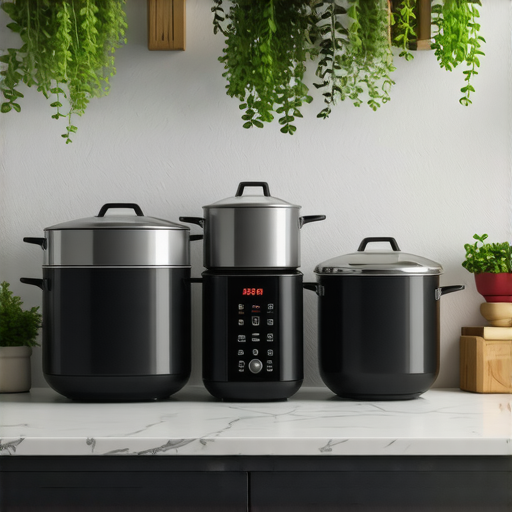
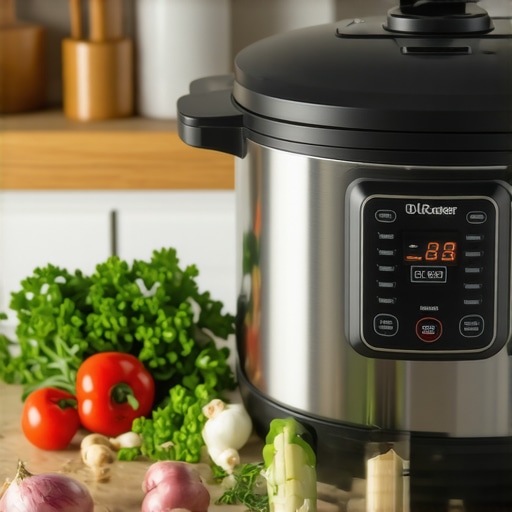
My First Encounter with the Magic of Slow Cookers and Multicookers
I’ll never forget the first time I used a slow cooker for a hearty stew. It was a busy weekday, and I wanted a comforting dinner without spending hours in the kitchen. That initial experience sparked my love affair with these versatile appliances. Over time, I realized they’re more than just time-savers—they’re culinary game-changers, especially for creating effortless one-pot meals that taste like they took hours to prepare.
Why I Swear by One-Pot Meals for Busy Weeknights
One-pot meals are my secret weapon. They simplify dinner routines and minimize the cleanup, which is a blessing after a long day. Whether I’m making a savory beef stew, a flavorful chicken curry, or a vegetarian chili, I rely on my slow cooker or multicooker to do the heavy lifting. The convenience of tossing ingredients in and letting the appliance work its magic is unbeatable. Plus, I’ve discovered that these appliances lock in flavors and keep dishes tender and juicy, making every bite satisfying.
Top Tips I’ve Learned for Perfecting Your One-Pot Creations
Over the years, I’ve gathered some tried-and-true tips to ensure my dishes turn out consistently delicious. For example, I always browning meats before adding them to the slow cooker enhances flavor and texture. Using the right amount of liquid is crucial—too much and your dish becomes soupy, too little and it might dry out. I also recommend layering ingredients thoughtfully; heartier vegetables like carrots and potatoes go at the bottom, closer to the heat source, while quicker-cooking ingredients like greens are added towards the end.
How Do Multicookers Elevate One-Pot Cooking?
Multicookers are a recent addition to my kitchen arsenal, and they’ve taken my culinary experiments to the next level. They combine the functions of slow cookers, pressure cookers, rice cookers, and more, allowing me to prepare a variety of dishes with a single device. I love that I can switch from slow cooking to pressure cooking in minutes, which cuts down cooking time significantly. Plus, many multicookers come with pre-programmed settings that make quick work of complex recipes, making it easier than ever to whip up a satisfying meal on busy days.
What’s the Secret to Consistently Delicious One-Pot Meals?
For me, it’s all about understanding my appliances and ingredients. I often refer to authoritative sources like the Ultimate Multicooker Guide for expert tips. The key is patience, careful layering, and experimenting with flavors. Once you get the hang of it, you’ll find that creating delicious, fuss-free meals becomes second nature. Do you have favorite ingredients or recipes that you swear by for your one-pot dinners? I’d love to hear your secrets!
If you’re as passionate about simplifying cooking as I am, I invite you to share your experiences in the comments below or explore more tips for effortless one-pot meals on my blog. Happy cooking!
Unlocking the Full Potential of Your Multicooker and Slow Cooker
While many home cooks appreciate the convenience of one-pot meals, few realize the depth of skill involved in truly mastering these appliances. To elevate your culinary game, it’s essential to understand the nuances of different cooking settings and ingredient interactions. For example, knowing when to utilize the pressure-cook function versus slow-cooking can dramatically impact flavor development and texture. By experimenting with these settings, you can craft dishes that are not only quick but also rich in depth—think tender braised meats or deeply flavored stews that taste like they simmered all day.
How Can Fine-Tuning Your Settings Transform Your Dishes?
Adjusting cooking times, pressure levels, and heat intensity allows for a tailored approach suited to each recipe. For instance, pressure cooking can reduce a six-hour stew to under an hour without sacrificing tenderness. Conversely, slow cooking excels at developing complex flavors over a longer period, perfect for recipes like pulled pork or hearty chili. Many modern multicookers, such as the Instant Pot, come with preset programs, but knowing how to manually tweak these can yield even better results. For deeper insights, consult expert guides like the Ultimate Multicooker Guide, which offers detailed advice on optimizing each function for specific dishes.
What Are the Common Pitfalls and How to Avoid Them?
One of the most frequent mistakes is overfilling the appliance, which can lead to spillage or uneven cooking. Additionally, neglecting to brown meats or sauté vegetables before slow-cooking can result in flatter flavors. Another common oversight is misjudging liquid quantities—too much liquid can make a dish soupy, while too little can cause ingredients to dry out or burn. To prevent these issues, always measure ingredients carefully and layer them thoughtfully, placing denser vegetables at the bottom and delicate greens towards the end of cooking. For expert hacks and troubleshooting tips, explore resources like Essential Slow Cooker and Instant Cooker Hacks.
How Do You Achieve Consistency and Depth in Every Meal?
Consistency stems from understanding your appliance’s quirks and ingredient behavior. For example, some models retain heat longer or distribute it unevenly, so adjusting cooking times or stirring at intervals might be necessary. Incorporating umami-rich ingredients such as soy sauce, mushrooms, or aged cheeses can deepen flavors without additional effort. Additionally, layering ingredients strategically enhances taste and texture—think adding herbs and spices at the beginning for infusion, then adjusting seasoning at the end. Combining these techniques with expert insights from sources like the Ultimate Multicooker Guide helps develop a nuanced palate for perfecting dishes over time.
What are your favorite tricks for elevating simple ingredients into extraordinary meals? Share your insights or explore more expert tips on my blog to keep your one-pot cooking exciting and delicious!
Refining Your Approach: The Art of Fine-Tuning for Consistent Excellence
Over the years, I’ve discovered that achieving culinary consistency with my multicooker or slow cooker is less about following strict recipes and more about understanding the subtle nuances of each device and ingredient. For instance, I’ve learned that even slight adjustments in pressure levels or cooking times can dramatically enhance the final taste and texture of my dishes. This level of mastery transforms simple recipes into culinary masterpieces, elevating everyday meals into memorable experiences.
Why Precision and Patience Are Key to Deep, Rich Flavors
Deepening flavors isn’t just about adding more spices or longer cooking times—it’s about precision and patience. I often experiment with layering ingredients thoughtfully; starting with aromatics like garlic and onions to build a flavor base, then adding robust ingredients like root vegetables or meats. Allowing flavors to meld over time, especially when using slow cooking functions, creates richness and complexity that are hard to replicate with quick methods. For a more in-depth understanding, I highly recommend consulting the Ultimate Multicooker Guide, which offers invaluable insights into flavor development techniques.
Balancing Liquid and Ingredients: The Subtle Science
One aspect I often grapple with is the precise amount of liquid needed. Too much, and the dish becomes overly soupy; too little, and ingredients risk drying out or burning. My trick is to measure carefully and consider the nature of the ingredients—denser vegetables like potatoes require more liquid, while delicate greens need minimal moisture and are added towards the end. This delicate balance is crucial for achieving perfect consistency and flavor concentration. Do you have your own techniques for balancing liquids? I’d love to hear your tips or stories about moments when a small adjustment made all the difference.
Leveraging Advanced Settings for Culinary Creativity
Modern multicookers often come with a variety of preset functions, but the real magic happens when you manually tweak these settings. For example, adjusting pressure levels or customizing cooking durations can unlock new flavors and textures. I’ve found that experimenting with these parameters, especially when preparing recipes like braised meats or layered stews, allows me to tailor each dish uniquely. For further exploration, check out the best pressure cooker and multicooker tips, which delve into advanced techniques for maximizing appliance potential.
What Are the Hidden Pitfalls That Could Sabotage Your Masterpieces?
Even seasoned home cooks can fall into traps that compromise dish quality. Overfilling the cooker can lead to uneven cooking or spillage, while neglecting to brown meats beforehand can flatten flavors. Additionally, misjudging liquid quantities often results in either bland or overly watery dishes. My advice? Measure meticulously, layer ingredients thoughtfully, and always leave room for the natural juices and flavors to develop. For more practical hacks, I recommend exploring essential hacks for slow and instant cookers.
How Do Personal Experiences Shape Your Cooking Philosophy?
Every successful dish I’ve crafted has been a lesson in patience, experimentation, and understanding my equipment. These experiences have shaped my belief that mastery is a continuous journey—one that involves listening to your appliances, adjusting techniques, and embracing imperfections as part of the learning process. I encourage you to reflect on your own cooking adventures. What small tweaks or insights have transformed your meals? Sharing these stories not only enriches your knowledge but also inspires others to explore their culinary potential.
If you’re passionate about elevating your one-pot meals, I invite you to share your experiences or explore more expert tips on my blog. Remember, the key to culinary excellence is ongoing curiosity and a willingness to experiment—so keep cooking, keep learning, and enjoy every delicious step of the way!
Mastering the Art of Timing and Temperature Control
One of the most underestimated factors in creating consistently excellent dishes with multicookers and slow cookers is precise timing coupled with temperature management. Even seasoned cooks sometimes overlook how subtle adjustments in cooking duration or heat intensity can unlock new layers of flavor and achieve ideal textures. For instance, lowering the pressure slightly during the last phase of cooking can help tenderize meats further without becoming mushy, a technique I frequently employ after consulting the Ultimate Multicooker Guide. This meticulous approach transforms simple ingredients into culinary works of art, elevating everyday meals into memorable experiences.
How Fine-Tuning Settings Can Unlock Hidden Flavors
Modern multicookers are equipped with a plethora of preset functions, yet the true mastery lies in understanding when to override these presets to suit specific recipes. For example, reducing pressure levels during the latter part of a stew preparation can deepen the flavor, allowing the ingredients to meld more intricately. Additionally, experimenting with custom cook times—sometimes even extending or shortening by a few minutes—can dramatically improve results. This practice is supported by expert insights found in the best pressure cooker and multicooker tips. Such adjustments require patience and a keen palate but yield dishes that taste as if they simmered all day.
Dissecting Common Pitfalls and How to Avoid Them
Even with advanced techniques, pitfalls can undermine your culinary efforts. Overfilling the appliance can cause uneven cooking or spillage, while neglecting to pre-brown meats can flatten flavors. Another frequent mistake is misjudging the amount of liquid—too much leads to a watery dish, too little results in dryness or burning. To prevent these issues, I recommend meticulous measurement, strategic layering of ingredients, and leaving room for natural juices to develop. For practical hacks, exploring essential hacks for slow and instant cookers can be enormously beneficial.
Enhancing Depth Through Ingredient Selection and Layering
Deep flavors emerge not only from cooking techniques but also from thoughtful ingredient choices. Incorporating umami-rich components such as aged cheeses, soy sauce, or dried mushrooms can significantly amplify the savory profile without extra effort. Layering ingredients strategically—adding aromatics like garlic and onions at the start, then delicate greens towards the end—creates a complex flavor tapestry. This method is supported by insights from the Ultimate Multicooker Guide, emphasizing the importance of ingredient interaction and timing.
Engage and Share Your Advanced Tips
If you’ve developed your own techniques for fine-tuning your multicooker or slow cooker dishes, I’d love to hear about your experiences. Sharing your insights can inspire others to elevate their culinary skills and discover new dimensions of flavor. Dive deeper into these advanced strategies by exploring the linked resources and experimenting with your appliances—culinary mastery is an ongoing journey of curiosity and refinement. Remember, the key to consistent excellence is patience, precision, and a willingness to learn from each dish you create.
Things I Wish I Knew Earlier (or You Might Find Surprising)
Mastering the Art of Ingredient Layering
One of the most overlooked secrets in making delicious one-pot meals is the importance of layering ingredients thoughtfully. I used to toss everything in at once, only to end up with unevenly cooked or bland dishes. Over time, I realized that placing denser vegetables like potatoes at the bottom and delicate greens towards the end creates a harmonious blend of flavors and textures. This simple adjustment transformed my cooking process and results.
The Power of Patience and Time
I used to rush the cooking process, especially when using pressure cookers, thinking faster is always better. But I found that allowing flavors to meld over a longer slow-cooking period develops depth and richness that quick methods can’t replicate. Sometimes, the best dishes are those that patiently simmered, filling the house with irresistible aromas.
How Small Adjustments Make a Big Difference
Adjusting cooking times by just a few minutes or tweaking pressure levels can elevate a dish from good to extraordinary. For example, lowering the pressure slightly during the last stage of cooking can tenderize meats further without turning them to mush. These subtle changes require experimentation but reward you with consistently better results.
Understanding Your Appliance’s Quirks
Every slow cooker or multicooker has its unique personality. Some retain heat longer, while others cook unevenly. Getting to know your specific device—like recognizing when to stir or when to add ingredients—can make all the difference in achieving perfect dishes every time. It’s a journey of discovery that makes cooking more intuitive and enjoyable.
The Hidden Impact of Ingredient Quality
High-quality, fresh ingredients significantly influence the final flavor. Using fresh herbs, good cuts of meat, and seasonal vegetables can turn a simple recipe into a memorable meal. Even the best appliance can’t compensate for subpar ingredients, so investing in quality makes a noticeable difference.
Resource I’ve Come to Trust Over Time
- The Ultimate Multicooker Guide: This comprehensive resource deepened my understanding of various cooking settings and techniques. It’s like having a personal coach guiding you to perfect your dishes. I highly recommend it for anyone looking to master their multicooker.
- Serious Eats: Known for thorough testing and reliable recipes, this site helped me troubleshoot common issues and discover new cooking methods. Their tips on ingredient preparation are invaluable.
- America’s Test Kitchen: Their scientific approach to cooking and detailed explanations have improved my skills beyond simple recipes. I trust their advice when experimenting with new dishes.
Parting Thoughts from My Perspective
Embracing the art of fine-tuning your slow cooker or multicooker can truly elevate your culinary game. The key lies in understanding your appliances, experimenting with ingredient layering, and practicing patience. These simple principles have helped me create consistently flavorful, satisfying one-pot meals that bring joy to my table. If this resonates with you, I’d love to hear your own tips and experiences—sharing knowledge makes everyone a better cook. Remember, the journey to mastering one-pot cooking is ongoing, so keep curious and enjoy every delicious step along the way!
This post really resonated with me, especially the part about layering ingredients thoughtfully. I used to toss everything in together, hoping for the best, but I found my dishes lacked depth and consistency. Once I started placing denser vegetables like potatoes and carrots at the bottom and adding delicate greens at the end, the flavor profile truly improved. It’s amazing how small adjustments like that can turn a good meal into something extraordinary. I also agree with the importance of patience—sometimes a few more minutes of slow cooking can develop flavors that quick cooking simply can’t match. Has anyone experimented with adding umami-rich ingredients, like dried mushrooms or a splash of soy sauce, to boost depth without complicating the process? I’d love to hear how others enhance their one-pot meals, especially for weeknights when time is limited but flavor is still a priority.
Reading this post brought back memories of my first slow cooker experience, which truly changed how I approach weeknight dinners. I started with simple recipes but quickly realized that strategic layering and a bit of patience made all the difference. I’ve found that browning meats beforehand and adding denser vegetables at the bottom really enhances flavor and texture. Regarding the inclusion of umami-rich ingredients, I’ve experimented with a splash of soy sauce and a few dried shiitake mushrooms in my vegetable soups, and the depth of flavor was astonishing without much extra effort. Have others noticed how small tweaks, like adjusting cooking times or ingredient order, can elevate their dishes? I’d love to hear more about what techniques others have found most effective in developing rich, satisfying flavors in their one-pot meals, especially when managing busy schedules.
I really appreciated this detailed insight into mastering slow cooker and multicooker techniques. I’ve found that developing a personal method for ingredient layering has totally transformed my meals, especially when I include hearty roots at the bottom and delicate herbs at the end. It’s interesting how these small adjustments make all the difference in flavor and texture. I also agree that understanding your appliance’s quirks—like heat distribution and timing nuances—is crucial for consistent results. Since I love experimenting, I’ve started adding subtle umami boosters like a splash of soy sauce or a touch of fish sauce during the early stages. It adds depth without complexity, especially for busy weeknights. What are some of your favorite ingredients or herbs that seamlessly enhance flavors without requiring extra steps? Would love to hear everyone’s tips on balancing depth and simplicity in one-pot cooking—these techniques are truly game-changers for weeknight meals.
This post really hits home for me, especially regarding the importance of ingredient layering and patience. I’ve noticed that adding denser root vegetables like carrots and potatoes at the bottom, then delicate greens at the end, consistently results in more flavorful and evenly cooked meals. It’s a simple tweak but makes a huge difference in how the dish turns out. I’ve also experimented with lightly sautéing aromatics before layering—this step really boosts the overall depth without adding too much extra effort, which is perfect during busy weeknights. One tip I’d love to share is using a splash of fish sauce or a sprinkle of dried mushrooms early on to amplify umami—these ingredients can elevate even humble ingredients into something special. How do others balance the need for quick, hassle-free prep with the desire for rich flavors? Would love to hear more insights or favorite shortcuts from this community.
This post really resonates with me because I’ve found that mastering the layering technique and understanding my appliance’s quirks can make all the difference in creating flavorful, satisfying one-pot meals. I’ve started experimenting with adding a splash of fish sauce or a tiny bit of miso during the initial cooking stages to boost umami without extra effort. It seems like small tweaks like this, combined with patience and careful ingredient placement, can significantly elevate even simple recipes. Have others noticed a noticeable difference when tweaking ingredients or settings like this? I’d love to hear more tips about balancing flavor complexity with quick prep, especially for those of us juggling busy schedules. These insights really inspire me to refine my approach and continue exploring the magic of multicookers and slow cookers.
This post really nails it — especially the importance of ingredient layering. When I first started experimenting with slow cooker recipes, I’d just toss everything in and hope for the best. But I quickly noticed that the flavors weren’t as deep or well-rounded as I wanted. After reading up on some tips, I started placing root vegetables like potatoes and carrots at the bottom and adding greens later — the difference was incredible. It’s fascinating how a simple tweak like that can elevate a dish tremendously.
I also found that lightly sautéing aromatics and meats before adding them to the slow cooker gives a richer base flavor, even if it adds a few extra minutes to prep. Do others have tricks for boosting umami or depth without complicating the process, especially on busy weekdays? I’ve been curious about adding ingredients like miso paste or dried mushrooms and wonder how others incorporate such flavor boosters into their routines without over-complicating things.
I completely relate to the importance of ingredient layering I’ve learned that placing dense vegetables like potatoes at the bottom really helps them cook evenly and absorb more flavors. Lightly sautéing aromatics before adding them also enhances depth without much extra effort, which is perfect for busy weeknights. What I’ve found is that experimenting with umami boosters such as a splash of soy sauce or a touch of miso early in the cooking process can really deepen the flavor profile in a subtle way. The key is to balance patience with these small tweaks—sometimes giving a dish a few extra minutes or adjusting the liquid can make a noticeable difference. I’d love to hear how others have successfully incorporated these flavor-enhancing ingredients into their routines without over-complicating things. Do you have favorite go-to ingredients or techniques for elevating simple one-pot meals?