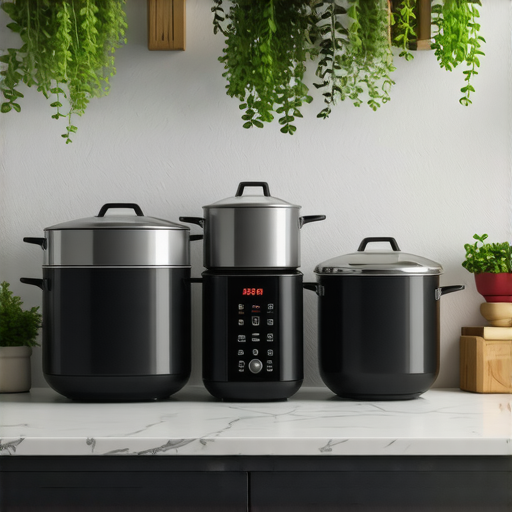
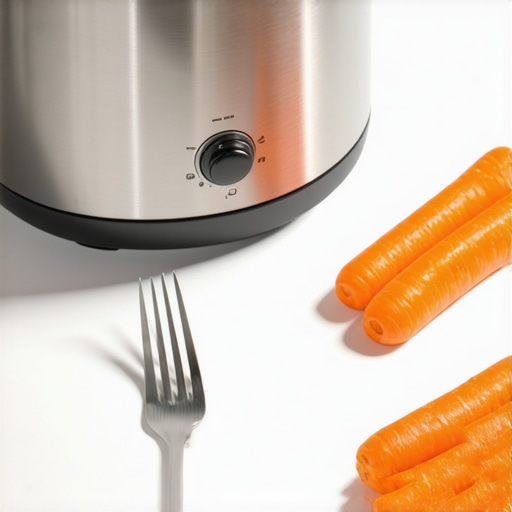
I remember the first time I intentionally cooked carrots in my slow cooker, only to find them utterly mushy and unrecognizable—like a preschooler’s mashed-up experiment. It was frustrating, especially since I was aiming for tender yet firm vegetables. That lightbulb moment made me realize that timing isn’t a one-size-fits-all affair, and tiny tweaks can make a huge difference.
Why Getting Slow Cooker Timing Right Is Crucial for Perfect Veggies
It’s easy to assume that setting a slow cooker and walking away guarantees a perfectly cooked meal. Unfortunately, that’s often not the case. Overcooked carrots can ruin your dish, turning it into a soggy mess that undermines all your effort. As I learned, timing is the secret weapon that can elevate simple ingredients to spectacular meals. Research shows that vegetables like carrots become mushy when cooked longer than necessary, losing their vibrant color, texture, and nutrients. Adjusting your timing can help you preserve those qualities and create dishes that taste as good as they look.
Have you ever faced the disappointment of mushy vegetables after hours of slow cooking? If so, you’re not alone. Many home cooks struggle because they rely on generic times that don’t account for variables like carrot size, freshness, or your specific slow cooker model. Early in my cooking adventures, I made the mistake of following a standard recipe without considering these nuances, which often led to overdone carrots. The good news? Small timing tweaks can dramatically improve your results.
In the sections ahead, I’ll share four proven fixes that will help you avoid mushy carrots and achieve perfectly tender, flavorful results every time. Whether you’re preparing a hearty stew or a side dish, these tips are practical and easy to implement. Plus, I’ll guide you through how to adapt these tricks for your unique kitchen setup, so your dishes turn out just right.
Ready to stop guessing and start conquering slow cooker vegetable textures? Let’s dive into the first fix and get your cooking game to the next level.
Adjust Cooking Duration Precisely
Start by setting your slow cooker to the LOW setting and cooking carrots for about 4 to 5 hours. To confirm doneness, insert a fork—if it slides in smoothly but the carrot still holds a slight firmness, you’ve hit the sweet spot. I once aimed for 6 hours, but the carrots turned to mush, making a mess of my stew. Cutting back the time by an hour resulted in nicely tender carrots that held their shape and texture.
Small Time Tweaks Make a Big Difference
Remember, different carrots vary in size and freshness. For smaller or organic carrots, reduce the cooking time by 30-45 minutes. Use a kitchen timer instead of the default setting—don’t just rely on the ‘look’ or ‘smell.’ Overcooking causes nutrients to leach and discoloration, diminishing flavor. I once ignored this and ended up with limp, pale carrots—less appealing and nutrient-poor. To avoid repeating this mistake, note your slow cooker’s behavior and adapt accordingly.
Consider Carrot Size and Freshness
Uniformly cut carrots cook more evenly. Slice larger carrots into halves or quarters; smaller baby carrots need less time. When I prepared a batch for a weekday meal, I cut carrots into uniform chunks, reducing cooking time by 20 minutes and achieving consistent texture. Fresh carrots tend to cook quicker than older ones, so always check your produce before setting the timer.
Use the Fork Test for Precision
Once the suggested cooking duration elapses, do the fork test. Insert a fork into a piece—if it meets slight resistance but slides in easily, your carrots are ready. If they resist, add 15-30 minutes. I once skipped this and overcooked carrots because I relied solely on the clock. Now, I always verify before turning off the cooker.
Leverage Internal Cooking Strategies
To prevent mushiness, add carrots later in the cooking process if your recipe allows. For stews, drop carrots in during the last hour. This ensures they retain texture and vibrancy. I learned this trick from experimenting with various recipes and noticed that timing the addition preserved their color and firmness, making for a visually appealing dish. For more ideas on timing and ingredient handling, check out this comprehensive guide on one-pot dinner hacks.
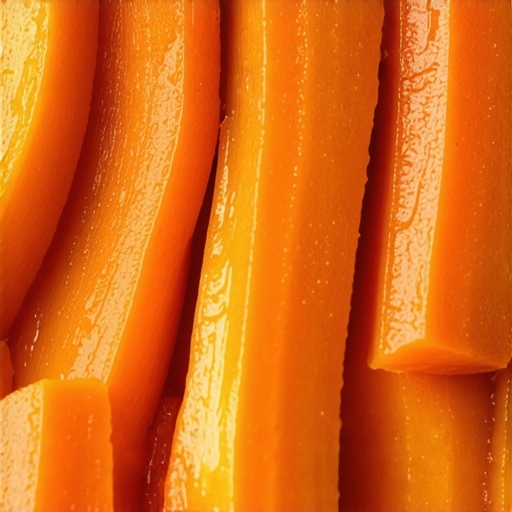 Many home cooks believe that simple settings and basic recipes will always deliver perfect results with multicookers, but in reality, there’s much more nuance involved. A prevalent myth is that all pressure cookers or slow cookers cook evenly and that following preset times guarantees tender, flavorful meals. However, as I’ve discovered, factors like ingredient size, freshness, and even the specific model can dramatically influence results. For example, many try to cook large cuts of meat on high pressure thinking it speeds things up, but it often leads to dry, overcooked meat—something experts warn against. Instead, understanding the device’s quirks and adjusting your approach can yield better outcomes.
What Advanced Cooks Need to Know About Pressure and Slow Cooking
One common pitfall is relying solely on recommended cook times without considering how different ingredients respond to heat and pressure. According to food scientists like Harold McGee, the rate of heat transfer, moisture retention, and even the shape of ingredients alter how they cook. Overfilling your cooker can cause uneven pressure buildup, leading to undercooked or mushy textures. To avoid this, always adhere to max fill lines and learn how your particular device behaves. Additionally, expert tips reveal that adding ingredients in stages can prevent overcooking delicate items, which is rarely mentioned in standard recipes. For instance, dropping vegetables in during the last 15 minutes preserves texture and flavor, substantially improving the dish. If you’re serious about mastering your multicooker, delve into detailed guides such as one-pot staples for under $12 that emphasize technique over mere timing. Remember, a little extra knowledge can turn average meal prep into an art form. Have you ever fallen into this trap? Let me know in the comments.
Keep Your Equipment Running Smoothly with the Right Tools
Having the correct tools can significantly extend your multicooker’s lifespan and ensure consistent results. I personally swear by a high-quality silicone spatula, which allows me to scrape the pot without damaging the non-stick coating. Additionally, a digital thermometer helps in precisely checking the internal temperature of meats, preventing dryness and overcooking. For cleaning, a soft-bristled brush and gentle dish soap are sufficient, but I also recommend a specific multicooker cleaning brush with narrow bristles to get into tight spots—this minimizes buildup that can affect performance. Investing in a good pressure cooker gauge or lid gasket replacement kit periodically is a smart move, particularly as I’ve found that worn gaskets can lead to pressure issues, impacting your cooking times and safety.
Maintaining Long-Term Performance of Your Cooking Appliances
To keep your devices performing at their best, regular maintenance is key. Referencing Harold McGee’s expert advice, inspecting and cleaning the pressure release valves weekly ensures that steam escapes properly and prevents dangerous pressure buildup. I recommend following the manufacturer’s cleaning instructions diligently—most models are meant to be wiped with a damp cloth after each use, but some parts might need a deeper clean monthly. Changing gaskets every 12-18 months, depending on usage, prevents leaks and maintains effective sealing. Don’t forget to keep the exterior free of dust and food splatters—this avoids overheating and electrical issues down the line. Checking for software updates on smart models can also improve functionality and fix bugs, a proactive step that’s often overlooked but well worth the effort.
How do I keep my multicooker functioning without surprise breakdowns?
Implementing routine checks and using dedicated tools specifically designed for maintenance can prevent costly repairs. For instance, I use a pressure cooker cleaning and lubrication kit, which involves a special gasket lubricant and cleaning solution—these prevent gasket cracks and ensure optimal sealing. Staying vigilant with these practices not only extends your appliance’s lifespan but also improves your cooking consistency, making every meal better-rounded and worry-free. These small investments in tools and routine upkeep pay off in long-term durability and better results. For comprehensive tips on preserving your multicooker, explore expert guides or dedicated maintenance routines outlined in authoritative sources such as why your pressure cooker meat is dry.
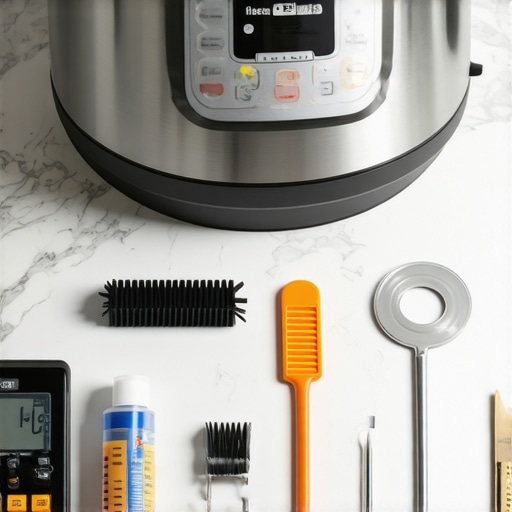 An image showing essential maintenance tools like gasket lubricants, cleaning brushes, and digital thermometers, emphasizing the importance of regular upkeep for optimal multicooker performance. It should be visually appealing and clearly demonstrate the tools discussed.
The Hardest Lesson I Learned About multicooker,instant cooker,pressure cooker,slow cooker,one pot meals
One of the biggest realizations on my cooking journey was that recipes aren’t one-size-fits-all—especially with slow cookers. I once believed that just setting and forgetting would guarantee perfect vegetables, but I quickly learned that honing timing and ingredient prep is essential for healthy, vibrant dishes.
Curated Recommendations for Your Kitchen Arsenal
For reliable tools, I rely on a high-quality silicone spatula—gentle on non-stick coatings and durable. My go-to resource for understanding appliance maintenance is the comprehensive guide at Why Your Pressure Cooker Meat Is Dry. Additionally, investing in a digital thermometer ensures precise doneness checks, elevating your cooking consistency. Lastly, a dedicated pressure cooker gasket replacement kit has saved me from unexpected leaks, prolonging my device’s lifespan.
Your Next Step Into the World of Perfect slow cooking
Now is the perfect time to apply these insights and watch your dishes transform. Remember, patience and attention to detail can turn simple ingredients into culinary triumphs. Don’t be afraid to experiment with timing adjustments or ingredient staging—every effort brings you closer to that ideal meal. What challenges have you faced when trying to perfect your slow cooker carrots? Share your stories below and continue your journey to culinary mastery.