Ever had one of those frantic weeknights where dinner feels like an impossible puzzle? I remember the first time I tried to cook a simple meal after a long day — I ended up with a burnt pot, a sink full of dishes, and a feeling that I’d wasted my precious evening. It was a lightbulb moment: I needed a smarter way to cook. That’s when I discovered the magic of instant and multicooker one-pot meals. These devices turned my chaos into calm and my dinner into an enjoyable, effortless experience.
Why One-Pot Meals Are a Game-Changer in 2024
In today’s busy world, spending hours in the kitchen isn’t feasible for most of us. The good news? Modern cookers, like instant pots and multicookers, are designed to do the heavy lifting. They combine pressure, slow, and even steaming functions into a single appliance, making it easier than ever to prepare delicious, nutritious meals with minimal cleanup. And yes, you can get restaurant-quality dishes without the fuss. From hearty stews to flavorful rice bowls, the possibilities are endless.
Have you ever faced the frustration of complicated recipes that require multiple pots and endless prep? If so, you’re not alone. I made the mistake early on of trying to cook everything separately, only to realize I was spending more time cleaning than eating. That’s why I want to share how simple it can be to master one-pot cooking, saving you time and stress. If you’re skeptical about whether these devices can truly replace your traditional methods, I get it. There’s a learning curve, but once you get the hang of it, you’ll wonder how you ever cooked without them.
To help you avoid common pitfalls, check out this guide on essential tips. It’s packed with advice to ensure your first few attempts are successful. Ready to make your weeknights easier and more delicious? Let’s dive into the practical steps that will turn you into a one-pot meal pro in no time!
Start with a Clear Plan
Before you even touch your device, decide what you want to cook. Think of it like plotting a road trip—knowing your destination makes the journey smoother. For example, I once planned to make a beef stew for a busy Friday evening. I checked my recipe, gathered ingredients, and set my cooking timeline. This prep saved me from last-minute panic and over-seasoning.
Layer Your Ingredients Wisely
One-pot cooking is all about strategic layering. Place ingredients that take longer to cook at the bottom—like root vegetables or tougher meats—then add quicker-cooking elements on top. I learned this the hard way when I added delicate greens too early in a chili, which turned mushy. Now, I always follow the layering rule, which ensures everything cooks evenly and retains texture.
Use the Right Settings and Timing
Modern cookers have multiple functions. For instance, pressure cookers can drastically trim cooking time, while slow cookers are perfect for tenderizing tough cuts. During my first pressure-cooking attempt, I set the timer too long and ended up with overcooked meat. To avoid this, consult a trusted guide like this ultimate guide to get the timing right for different ingredients.
Master the Art of Seasoning
One-pot meals can easily become bland if you don’t season properly. I recommend seasoning in layers—start with aromatic ingredients like garlic and onions, then add salt, herbs, and spices as you go. When I made a chicken and rice dish, I initially under-seasoned, which was dull. After adjusting the seasoning midway, the dish transformed into a flavor-packed meal. Remember, you can always add more salt or herbs, but you can’t take them out.
Adjust Liquids Carefully
Since everything cooks together, liquids are crucial. Too much, and your dish becomes soupy; too little, and it may burn or stick. I once forgot to add enough broth to a vegetable stew, resulting in scorched bits at the bottom. To prevent this, check your device’s recommended liquid ratios, or refer to this resource for precise measurements.
Utilize the Right Recipes and Resources
Start with recipes designed specifically for one-pot cooking in your device. These are tested for timing and layering. For ideas, explore collections like quick-pressure-cooker recipes. When I first tried a beef stroganoff, following a dedicated recipe made all the difference, ensuring I didn’t miss any crucial step.
Practice and Adjust
Every device and ingredient behaves slightly differently. Expect some trial and error. After my third attempt at a lentil soup, I adjusted cooking time and seasoning based on previous results. Keep notes of what works and what doesn’t, so you can refine your approach over time. Remember, mastery comes from experience, not perfection on the first try.
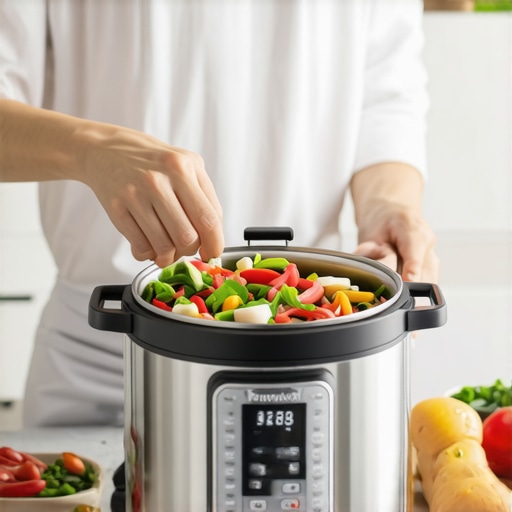
Many home cooks believe that mastering one-pot meals is straightforward, but there are nuanced pitfalls that can trip you up if you aren’t aware. One of the most persistent myths is that simply throwing ingredients into your multicooker or instant pot will guarantee a perfect meal. In reality, timing, layering, and seasoning play crucial roles that many overlook. For instance, adding all ingredients at once without considering their cook times often results in overcooked vegetables or undercooked meats, undermining the convenience you seek. To truly excel, understanding these nuances ensures your dishes come out consistently flavorful and well-textured.
Another common mistake is relying solely on default settings or guessing cooking times. Many users assume that pressing the ‘pressure cook’ button for a standard duration will yield perfect results every time. However, different models and ingredients require adjustments. For example, tougher cuts of meat benefit from longer pressure times, but overdoing it can turn everything to mush. The key is to familiarize yourself with your specific device’s quirks and consult trusted resources like this comprehensive guide to refine your timing skills.
What advanced techniques can elevate your one-pot meals without complicating the process?
One often-overlooked aspect is the importance of seasoning layers. Many assume that adding salt and spices at the beginning is enough, but in reality, adjusting seasoning at different stages enhances depth of flavor. For example, adding a splash of soy sauce or a squeeze of lemon mid-cook can brighten the dish unexpectedly. Additionally, controlling liquid levels is a subtle art. Too much liquid can dilute flavors, while too little risks burning or sticking. Experienced cooks often reduce initial liquids slightly, knowing evaporation during cooking will balance it out naturally. For more detailed tips, explore this resource.
Lastly, many get caught in the trap of overcomplicating recipes, thinking more ingredients or steps mean better flavors. In truth, simplicity paired with the right techniques often yields the best results. Focus on quality ingredients, proper layering, and adjusting seasonings thoughtfully. This approach not only saves time but also helps you build a reliable repertoire of delicious, effortless meals.
Have you ever fallen into this trap? Let me know in the comments!
Keeping your multicooker or instant pot in top shape over time is essential to ensure consistent performance and delicious results. One of the most effective ways to do this is by adopting a routine maintenance schedule that includes regular cleaning, checking seals, and updating firmware when applicable. I personally make it a point to clean my device after every use, ensuring no residual food or grime builds up, which can affect sealing and cooking quality. For detailed cleaning tips, check out this essential guide.
Another critical aspect is inspecting and replacing parts like the sealing ring and pressure valves periodically. Over time, these components can degrade, leading to pressure leaks or inconsistent cooking times. I keep a couple of spare seals handy, so I can quickly swap them out if I notice any signs of wear. This proactive approach prevents potential disasters and extends the life of my device.
Firmware updates are often overlooked but can significantly improve functionality and safety. Many modern devices connect to Wi-Fi and prompt updates automatically, but I recommend checking for updates manually every few months. These updates often include bug fixes, new features, and performance enhancements. Staying current with your device’s software ensures optimal operation, especially as manufacturers release improvements based on user feedback and evolving technology.
How do I maintain my cooking tools over time?
Maintaining your devices isn’t just about cleaning; it involves understanding their quirks and taking preventive measures. For example, I regularly inspect the pressure release valves for blockages and ensure the lid seals properly before cooking. This small step can prevent pressure build-up issues or accidental releases during operation. Additionally, store your device in a dry, dust-free environment to avoid degradation of electronic components or seals.
Looking ahead, I believe the trend will shift toward smarter, more connected appliances that monitor their own health and alert users about maintenance needs. Some brands are already experimenting with sensors that track seal integrity and suggest replacements before problems arise. Embracing these innovations will make maintenance more straightforward and reduce downtime, allowing you to focus more on enjoying your meals.
For those eager to optimize their device longevity, I highly recommend diving into this comprehensive maintenance guide. It covers everything from routine cleaning to troubleshooting common issues. Start by scheduling regular checks and replacements—your future self will thank you for the extra effort.
Don’t forget: a well-maintained device not only lasts longer but also ensures your meals consistently turn out perfect. So, dedicate a few minutes each month to care for your cooker, and it will reward you with years of reliable service and delicious, effortless dinners.
The Hardest Lesson I Learned About One-Pot Cooking
One of my biggest mistakes was assuming that adding all ingredients at once would save time. I quickly realized that this often leads to overcooked vegetables and undercooked meats, ruining the meal. The key lesson? Layer ingredients thoughtfully and understand their cooking times for perfect results.
My Essential Toolkit for Perfect One-Pot Dinners
Trusting this guide on essential tips transformed my approach. It includes must-have tools like silicone spatulas, measuring cups, and a good-quality recipe book tailored for multicooker dishes. These tools make the cooking process smoother and more enjoyable.
The Future of Effortless Cooking
Imagine a world where your smart multicooker monitors its own health and alerts you when maintenance is needed. Devices are already headed there, incorporating sensors and IoT features. Staying ahead with this ongoing innovation will keep your kitchen efficient and your meals consistently delicious.
What’s Your Next One-Pot Win?
Now that you have the insider wisdom, curated tools, and a glimpse of the future, it’s your turn to embrace effortless cooking. Whether you’re a seasoned pro or just starting out, the magic of one-pot meals awaits. Share your upcoming dish or your biggest challenge below—let’s learn together!
Reading this post resonated with me deeply because I used to struggle with weeknight dinners due to my hectic schedule. Since adopting an instant pot, my dinner prep has become so much more manageable. I particularly appreciate the tips on layering ingredients and adjusting liquids—these small details make a huge difference in my cooking results. One thing I’ve learned is that even with a reliable device, patience and experimentation are key. I often tweak recipes a bit to match my taste and equipment quirks, and it’s rewarding when I finally nail a dish. For those just starting out, do you find that certain ingredients or recipes tend to give you trouble, and how do you adjust to overcome those hurdles? It’s fascinating how mastering these nuances elevates simple ingredients into flavorful meals without a lot of fuss.
I wholeheartedly agree with the importance of seasoning layers and careful ingredient management for one-pot dishes. In my experience, one of the biggest pitfalls is rushing through the steps without considering how each ingredient behaves during the cooking process. I once added all my vegetables at the beginning for a stew, only to find that everything was overcooked by the time the meat was tender. Since then, I’ve adopted the practice of adding delicate ingredients towards the end or adjusting cooking times accordingly. It really makes a difference in flavor and texture.
One tip I’d add is using natural acids like lemon or vinegar in the later stages of cooking. They help brighten the dish and balance out richness without over-seasoning. Has anyone experimented with adding acids during cooking? I’d love to hear how it turned out and if it’s improved your dishes. Also, what are some of your go-to tricks for managing liquids and avoiding the dreaded ‘burn’ message? Sharing these small techniques really helps elevate our one-pot cooking game.
This post really hits home for me because I used to avoid one-pot meals thinking they were bland or oversimplified. However, with my recent experiments, I’ve found that the secret lies in proper initial seasoning and strategic ingredient layering, just like you mentioned. One trick I’ve adopted is adding a splash of acid—like lemon juice—midway to lift the flavors, especially in stews and rice dishes. It’s amazing how a little citrus can make all the difference!
I also appreciate the emphasis on understanding your specific appliance. Every multicooker behaves slightly differently, so I keep notes on times and settings that work best for me. My question to fellow readers: have you noticed any particular ingredients that tend to overcook or underperform with your device? And how do you adjust the process to get perfect results every time? Sharing these little tweaks can really help us all master this efficient way of cooking.
I really relate to the idea of layering ingredients thoughtfully in one-pot meals because I’ve learned that it makes a huge difference in the final texture and flavor. When I first started using my multicooker, I tended to throw everything in at once, which often led to mushy vegetables or unevenly cooked meats. Now, I set aside time to plan my layers and timing, which has improved my results dramatically. In particular, I’ve found that adding delicate ingredients like greens or dairy towards the end prevents overcooking and preserves their flavors. It’s interesting how a small change like this can elevate a simple meal into something really satisfying. I’m curious—how do others manage the timing for different ingredients, especially when they vary so much in cook times? Any tips on experimenting without ruining a dish? Would love to hear your thoughts or hacks for perfect layering.
This post really resonates with me because I’ve experienced similar kitchen frustrations on busy weeknights, often resorting to unhealthy takeout just to avoid the chaos. Since I started using my multicooker, I’ve noticed a huge difference—not only in how quick and easy it is but also in the variety of meals I can prepare. I agree that strategic layering and timing are key; I’ve learned to put root vegetables and tougher meats at the bottom, then delicate greens or dairy at the top, to prevent overcooking. The tip about adjusting liquids carefully is crucial—I once added too much broth and ended up with a soggy stew! I’m curious, how do others deal with the challenge of balancing seasonings when layering ingredients? Do you add spices at different stages or all at once? I’d love to hear more tips on how to enhance flavor complexity without complicating the process.
I really enjoyed reading this comprehensive guide on mastering one-pot meals with multicookers. As someone who is always juggling a busy schedule, I’ve found that these devices are indeed a game-changer, especially when it comes to meal prep and cleanup. I particularly resonate with the emphasis on strategic layering and adjusting seasoning at different stages—these small details truly elevate a dish. One challenge I face is figuring out the perfect timing for adding delicate ingredients like greens or dairy without overcooking them. Do you have any tips or personal experiences on how to fine-tune that? Also, I’ve noticed that different brands and models can behave slightly differently, so keeping notes has helped me a lot. Overall, I feel empowered to experiment more confidently now, knowing that many of the pitfalls can be avoided with a little planning and patience. Would love to hear other readers’ tricks on customizing timings for various ingredients in their specific devices.