My Personal Journey into Instant Cooker One-Pot Meals
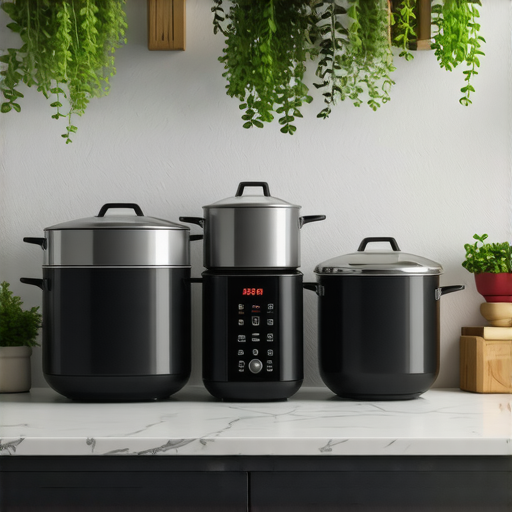
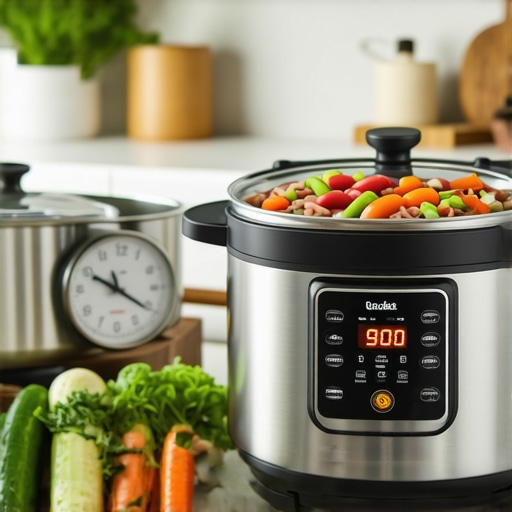
Last year, after a hectic day at work, I found myself craving a warm, homemade dinner but had little time to cook. That’s when I rediscovered my trusty instant cooker. It transformed my weeknights into a whirlwind of effortless, delicious meals. I still remember the first time I made a one-pot chili — it was a game-changer! Since then, I’ve experimented with countless one-pot recipes, discovering how this kitchen marvel can save time and reduce cleanup while delivering flavor-packed dishes.
Why I Swear by One-Pot Meals for Busy Evenings
As someone juggling a demanding job and family life, quick dinner solutions are essential. The instant cooker, with its ability to pressure cook, slow cook, and more, has become my go-to tool. I love how I can throw in ingredients, set the timer, and walk away. When I return, I have a hot, hearty meal ready to serve. Plus, fewer pots mean less washing — a huge perk after a long day! Incorporating one-pot meals into my routine has genuinely simplified my evenings and kept my family well-fed without stress.
Discovering the Best Instant Cooker One-Pot Recipes
Over time, I’ve curated a collection of favorites, from beef stews to vegetarian curries. These recipes are not only easy but also versatile. For example, a chicken and rice dish made in my instant pot is perfect for busy weeknights — hearty, flavorful, and ready in under 30 minutes. I recommend exploring resources like Allrecipes for creative ideas. The key is to select recipes that balance simplicity with taste, and I’ve found that many can be adapted to suit dietary preferences or ingredient availability.
What Makes a One-Pot Meal Truly Satisfying?
Is it the flavor, the speed, or the minimal cleanup?
For me, it’s all of these factors combined. A satisfying one-pot meal should be flavorful, quick to prepare, and require minimal cleanup. The beauty lies in combining ingredients in a single vessel, allowing flavors to meld beautifully during the cooking process. This approach not only saves time but also enhances the taste — a win-win for busy cooks. I’ve also learned that seasoning and ingredient layering matter—they make all the difference in creating a meal that feels both comforting and gourmet.
If you’re new to instant cookers or looking to expand your recipe repertoire, I encourage you to experiment with different ingredients and cooking times. And don’t hesitate to share your favorites in the comments — I love discovering new ideas from fellow home cooks!
In conclusion, embracing instant cooker one-pot meals has truly transformed my weeknights. They save me time, reduce mess, and most importantly, let me enjoy a delicious dinner with my loved ones without the stress. If you’re eager to explore more, check out my other posts on quick dinner ideas and essential kitchen tips — happy cooking!
Unlocking the Secrets of Flavors in One-Pot Cooking with Your Instant Cooker
As an experienced home chef, I’ve found that the true magic of one-pot meals lies in how ingredients harmonize during the cooking process. The instant cooker’s ability to seal in flavors and maintain consistent heat makes it an ideal tool for developing depth and complexity in simple dishes. For example, when preparing a chili or stew, layering spices and aromatics at the beginning can dramatically elevate the final flavor profile. Additionally, selecting the right cooking mode—whether pressure, slow, or sauté—allows for nuanced control, ensuring each ingredient reaches its full potential without overcooking or losing texture.
How to Customize Your One-Pot Recipes for Dietary Needs and Preferences
One of the significant advantages of the instant cooker is its flexibility to accommodate various dietary restrictions. Whether you’re vegan, gluten-free, or following a low-sodium diet, you can adapt recipes to suit your needs without sacrificing flavor. For instance, replacing traditional broth with homemade vegetable stock or using alternative proteins like tofu or tempeh can create satisfying dishes that align with your lifestyle. I often experiment with spice blends and ingredient swaps—adding turmeric for anti-inflammatory benefits or incorporating nuts and seeds for added texture and nutrition. The key is to understand the core flavors and textures of each ingredient and balance them effectively in your recipe.
Have you considered how ingredient timing and layering influence the final taste?
Absolutely. Timing is critical; adding delicate ingredients like greens or fresh herbs at the right moment prevents overcooking and preserves their vibrant flavors. Layering spices and aromatics early on helps develop a rich base, while finishing with fresh elements adds brightness. Experts emphasize that understanding the science behind pressure cooking—such as how heat and pressure affect ingredient breakdown—can significantly improve your results. Resources like Cooking Light offer detailed insights into optimizing pressure cooker techniques for different dishes.
Expanding Your One-Pot Repertoire: From Comfort Food to Gourmet
While hearty stews and curries are staples, don’t shy away from experimenting with more refined dishes. Risottos, paella, and even baked pasta can be adapted for the instant cooker, transforming them into effortless gourmet creations. For example, a saffron-infused risotto cooked in the pressure mode can achieve a creamy, perfectly textured result in a fraction of the traditional time. The key is understanding ingredient interactions—how rice absorbs flavors or how proteins tenderize under pressure. Exploring international cuisines broadens your culinary horizons and keeps your meal options exciting and diverse.
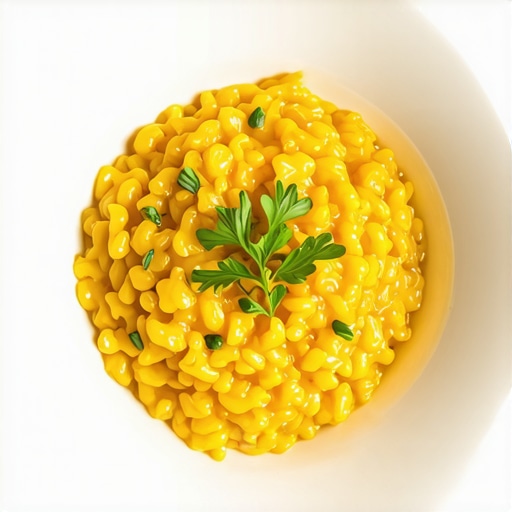
Imagine a vibrant dish of saffron risotto in an elegant white bowl, garnished with fresh herbs, showcasing a gourmet instant cooker meal.
Delving Deeper into Flavor Harmonization in One-Pot Magic
Over the years, I’ve come to appreciate that the secret to truly satisfying one-pot meals lies not just in ingredient selection but in mastering the art of layering flavors. When I prepare a beef stew in my instant cooker, I start by sautéing aromatics like onions and garlic, allowing their fragrances to fill the kitchen. Then, I add spices and herbs, letting them toast slightly to unlock their full potential. This initial step creates a rich, fragrant base that elevates the entire dish. Understanding how heat and pressure influence flavor extraction helps me tweak cooking times and sequences for optimal results, as highlighted by culinary science expert Harold McGee in his book On Food and Cooking. I’ve found that experimenting with spice to liquid ratios and timing when adding delicate ingredients like fresh herbs can transform a good dish into an outstanding one, revealing layers of complexity that make each bite memorable.
How to Customize and Elevate Recipes for Unique Dietary Lifestyles
Adapting one-pot meals for various dietary needs is both a challenge and an opportunity to get creative. For instance, as a vegetarian, I often substitute traditional proteins with hearty legumes or tofu, which absorb flavors beautifully under pressure. I’ve also experimented with different broths—homemade vegetable stock for depth or coconut milk for a creamy, tropical twist—making each dish uniquely suited to my mood and dietary goals. Incorporating superfoods like kale or chia seeds not only boosts nutrition but also adds textural contrast. I’ve learned that understanding the core flavor profiles of ingredients allows me to balance seasonings and spices effectively, ensuring each dish is flavorful and satisfying regardless of dietary restrictions. This flexibility keeps my cooking exciting and inclusive for everyone at the table.
What is the science behind ingredient timing and its influence on flavor?
Timing truly matters. For example, I add delicate greens or fresh herbs at the end of cooking to preserve their vibrant colors and flavors, avoiding mushy textures. Conversely, tougher vegetables or root vegetables benefit from longer pressure cooking, which tenderizes them while allowing flavors to meld. This approach aligns with culinary science principles—pressure cooking accelerates the breakdown of cell walls, intensifying flavors and softening ingredients without overcooking delicate components. Resources like Cooking Light provide detailed insights into optimizing pressure cooker techniques, which I’ve found invaluable for refining my culinary skills. Mastering these timing nuances has allowed me to craft dishes that are both complex and balanced, elevating my everyday cooking to a refined level.
Exploring International Cuisines with Your Instant Cooker
Venturing into international cuisines has opened new horizons for my culinary experiments. For example, I adapted a traditional Italian risotto recipe for my instant cooker, using saffron and Parmesan, achieving a creamy texture in a fraction of the usual time. Similarly, a Spanish paella became effortless—just layer ingredients and let the pressure do its magic, resulting in authentic flavors with minimal fuss. These dishes challenged me to understand ingredient interactions—how rice absorbs broth, how proteins tenderize, and how spices develop during pressure cooking. Exploring dishes like Thai curries, Ethiopian stews, or Indian dals in the instant cooker not only diversifies my menu but also deepens my appreciation for global culinary traditions. I encourage fellow home cooks to experiment with these flavors and share their experiences—every new dish is a step toward culinary mastery.
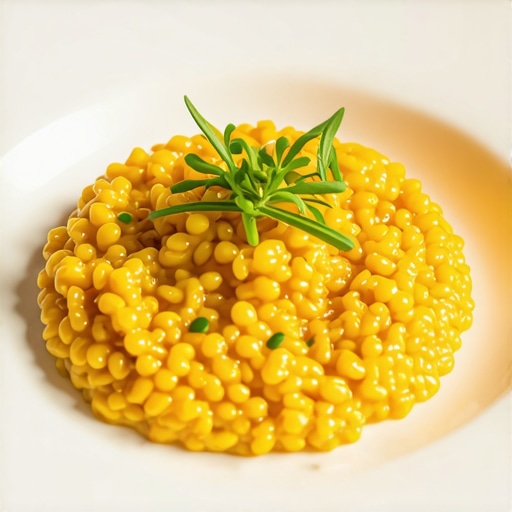
Imagine a vibrant saffron risotto garnished with fresh herbs, served in an elegant bowl, epitomizing gourmet instant cooker cuisine.
Unlocking the Depth of Flavor Layers in Your Instant Cooker Creations
As I delved deeper into the art of one-pot cooking, I discovered that the secret to truly complex and satisfying dishes lies in meticulous flavor layering and technique refinement. The instant cooker, with its ability to trap steam and intensify aromas, offers a unique platform for experimenting with ingredient interactions on a scientific level. For instance, I’ve learned that sautéing aromatics like garlic and onions at the outset develops a foundational flavor profile, which is then enhanced by adding spices that toast during pressure buildup, unlocking their essential oils. This process mirrors the principles outlined by food scientist Harold McGee in On Food and Cooking, emphasizing how heat and pressure influence flavor extraction and texture development.
In my experience, the timing of ingredient addition is vital. Delicate herbs such as basil or cilantro are best added post-cooking or at the very end to preserve their freshness and vibrancy, while root vegetables and tougher proteins benefit from longer pressure cycles. Mastering these nuances allows me to craft dishes that are not only rich in flavor but also texturally balanced, elevating the everyday meal into a gourmet experience. I encourage fellow enthusiasts to experiment with ingredient sequencing and to document their results—these small adjustments can make a significant difference.
Furthermore, exploring the science behind pressure cooking can unlock new culinary possibilities. Techniques such as pre-soaking grains or legumes to reduce cooking time, or incorporating acid-based ingredients like tomatoes or vinegar at specific stages, can profoundly influence the dish’s final depth. For in-depth guidance, I recommend consulting resources like Cooking Light, which offers detailed insights into pressure cooker science and best practices. Implementing these advanced techniques has transformed my approach from simple meal prep to sophisticated culinary artistry, and I invite you to do the same.
How can understanding ingredient interactions and timing elevate the complexity of your one-pot dishes?
Understanding ingredient interactions and timing is crucial for creating multi-layered flavors. For example, adding acidic ingredients too early can curdle dairy or toughen proteins, while delaying their addition preserves brightness and freshness. Similarly, pre-treating ingredients—such as marinating meats or soaking legumes—can enhance tenderness and flavor absorption, making the end result more nuanced. This approach requires a keen understanding of both the science and art of cooking, and experimenting with small batch modifications can yield extraordinary results. Sharing your discoveries and adapting recipes based on these principles can dramatically elevate your culinary repertoire.
Transforming Everyday Ingredients into Gourmet Masterpieces with Your Instant Cooker
The versatility of the instant cooker extends beyond traditional comfort foods. With a refined understanding of ingredient dynamics, I’ve successfully crafted dishes like saffron-infused risotto, which achieves a creamy texture in under 20 minutes, and even delicate seafood paellas that boast authentic flavors with minimal effort. These dishes hinge on precise timing—adding saffron early to allow its flavors to infuse, then incorporating seafood at the end to prevent overcooking. By applying these advanced principles, I’ve unlocked new dimensions of flavor and presentation, turning humble ingredients into gourmet fare.
Exploring international cuisines further broadens this horizon. A Thai green curry, for example, benefits from simmering aromatic pastes with coconut milk under pressure, intensifying flavors swiftly. Similarly, Ethiopian stews like Doro Wat, made with marinated chicken and rich spices, become accessible in a fraction of the traditional cooking time. Embracing these techniques requires a willingness to experiment and adapt, but the rewards are dishes that impress both visually and gastronomically. I recommend engaging with culinary resources like Cooking Light for tips on mastering pressure cooker techniques for diverse cuisines. Dive into these culinary adventures and unlock your potential for high-level home cooking.
<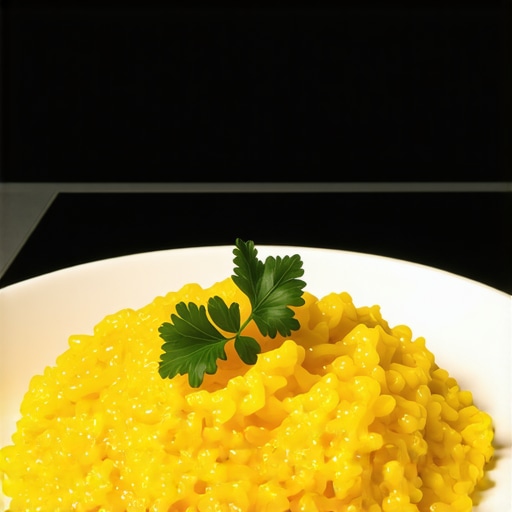 >
>
Visualize a beautifully plated saffron risotto garnished with microgreens, exemplifying a refined instant cooker dish that marries simplicity with sophistication.
Things I Wish I Knew Earlier (or You Might Find Surprising)
Mastering Ingredient Timing
One of the biggest surprises I discovered was how crucial the timing of adding ingredients is. For example, adding delicate greens too early results in mushy texture and loss of vibrant color. I learned to add these at the end, which preserved their freshness and brightness, elevating the dish. Understanding this subtle detail transformed my cooking from good to gourmet.
The Power of Layering Flavors
Initially, I thought throwing everything into the instant cooker would suffice, but I soon realized layering flavors—sautéing aromatics first, then adding spices—creates depth. This technique is akin to building a story in your dish, where each layer enhances the overall taste. It’s a simple step that makes a huge difference in flavor complexity.
Adjusting Liquids for Perfect Texture
Getting the right amount of liquid was a revelation. Too much, and the dish becomes soupy; too little, and it’s dry. I found that starting with less liquid and adjusting after pressure cooking allows me to control consistency better. It’s a small detail but crucial for gourmet results.
Don’t Overlook the Importance of Searing
Searing ingredients before pressure cooking adds a caramelized flavor that can’t be achieved otherwise. Even a quick sauté in the instant pot’s sauté mode before pressure cooking can add richness and complexity—something I wish I’d known sooner.
Embracing Experimentation
Finally, I’ve learned that recipes are just starting points. Don’t be afraid to tweak seasonings, swap ingredients, or adjust cooking times. Personal experimentation has been the best teacher, turning simple recipes into signature dishes.
Resources I’ve Come to Trust Over Time
- Harold McGee’s “On Food and Cooking”: This book offers scientific insights into how ingredients behave under pressure and heat. It’s my go-to for understanding the “why” behind my cooking techniques.
- Allrecipes: A treasure trove of user-shared instant cooker recipes and tips. I’ve found countless inspiration and reliable ideas here that I’ve adapted to my taste.
- Cooking Light: Their articles on pressure cooking techniques and ingredient interactions have helped me refine my skills and troubleshoot common issues.
- Instant Pot Official Website: The official site provides troubleshooting guides, recipes, and advice straight from the source, which I trust for accuracy and updates.
Parting Thoughts from My Perspective
Embarking on my journey with instant cooker one-pot meals has truly been a game-changer. The key takeaway for me is that understanding the science behind flavor layering, ingredient timing, and liquid balance elevates simple dishes into culinary delights. These techniques have not only saved me time but also allowed me to enjoy more sophisticated, satisfying meals without the stress. If you’re just starting out or looking to refine your skills, I encourage you to experiment and trust your palate—every small tweak brings you closer to mastery. I’d love to hear your experiences, so feel free to share your favorite tips or recipes in the comments. Happy cooking!
Reading about your journey with instant cooker one-pot meals truly resonated with me. I recently started experimenting with similar recipes after realizing how much time I save on weeknights. What struck me was the importance of ingredient layering—sautéing aromatics first to build depth—something I’ve found makes a big difference in flavor complexity. I’ve also found that pre-soaking grains or legumes not only reduces cooking time but also helps achieve that perfect, tender texture without drying out or becoming mushy. Your point about timing delicate greens at the end is so vital; I used to overcook greens and compromise their vibrancy, but now I add them right before serving, which keeps them fresh and flavorful.
Have you experimented with flavor infusions like adding herbs or spices early versus at the end? I’d love to hear your tips on balancing deep flavors while preserving freshness. Also, do you have favorite recipes that can be customized for dietary restrictions without sacrificing taste? I’m keen on exploring more versatile options for my family’s needs and would appreciate your insights.
Reading about your experience with instant cooker one-pot meals really resonated with me, especially since I’ve recently started incorporating my pressure cooker into my weekly meal planning. I completely agree that ingredient layering—like sautéing aromatics before pressure cooking—can really elevate the final flavor. I’ve also noticed that pre-soaking grains or legumes not only shortens cooking time but also improves texture, which makes dishes like chili or stews turn out perfect every time. Your tip about adding greens at the end is something I swear by; it preserves their vibrant color and crunch, which really adds a fresh burst to the dish.
On the topic of flavor infusions, I’ve found that adding herbs and spices early helps build a rich base, but finishing with fresh herbs at the end gives a bright, aromatic finish. How do others find the balance between deep, layered flavors and freshness in their recipes? Do you have any go-to recipes that are easily adaptable for dietary restrictions like vegan or gluten-free diets? I’m always looking for new ideas to diversify my meal options without sacrificing flavor.
Reading your detailed journey into mastering instant cooker one-pot meals really inspired me to rethink my approach to quick dinners. I’ve also discovered that layering flavors — like sautéing aromatics first and then adding spices — truly makes a difference in depth and complexity. One tip I tried recently was pre-toasting my spices in the sauté mode before pressure cooking, which really enhanced the aroma and taste. I also find that balancing liquids is crucial; I start with less broth and add more after cooking if needed, especially when adjusting for different ingredients.
I’d love to hear more about your experiences with flavor infusions—do you often add herbs early or at the end? Also, have you found any meal ideas that work well for both omnivorous and plant-based diets? I’m eager to expand my repertoire for dietary restrictions without sacrificing flavor or satisfaction.
Your journey with instant cooker one-pot meals really hits home for me. Since I started using my pressure cooker more regularly, I’ve noticed that quickly building layers of flavor—like sautéing aromatics before pressure—makes all the difference in depth. I also agree with your point about ingredient timing; adding delicate greens or herbs at the end preserves their vibrancy and integrity. For me, experimenting with herbs and spice blends early and later in the process helps create complex yet fresh flavors.
One thing I’ve been exploring is how pre-soaking grains or legumes can cut down cooking times further and improve texture. Have you tried that? And what are your favorite recipes that adapt well for dietary needs like vegan or gluten-free? I find that adjusting ingredients without sacrificing flavor is key to satisfying everyone at the table. Would love to hear how others manage flavor layering while maintaining dietary flexibility—it’s such a rewarding challenge.
Your detailed recount of using an instant cooker for creating flavorful, one-pot meals really resonates with my own experience. I absolutely agree that the layering of flavors, especially sautéing aromatics and toast spices early, makes a significant difference in depth and richness. I’ve noticed that pre-soaking grains or legumes definitely shortens cooking times and helps achieve a tender texture, which is invaluable when you’re rushing. Balancing the flavors between deep, complex notes and fresh brightness can indeed be tricky, but I find that adding delicate herbs like basil or cilantro at the very end preserves their vibrant aroma and color. I also experiment with coconut milk in curries to add creaminess without much effort. Have you tried incorporating any specific spice blends or fresh herbs that particularly elevate your dishes? I’d be curious to hear your favorite combinations or techniques that keep the flavor layers sophisticated and fresh at the same time.
Your detailed sharing really hits home for me. I also started using my instant cooker more regularly to save time, especially during busy weekdays. I agree that ingredient layering, such as sautéing aromatics before pressure cooking, really adds depth to the dishes—it’s like building a flavor foundation. One thing I’ve experimented with is using homemade spice blends and adding a splash of acid, like vinegar or lemon juice, at the end to brighten up the flavors without losing complexity. It’s amazing how small adjustments can elevate a simple stew or curry. Have you found any particular spice combinations or finishing touches that consistently work well for you? I’d love to hear some of your favorite tricks to keep dishes flavorful and fresh, especially for dietary restrictions like vegan or gluten-free diets. Exploring new seasoning techniques really keeps the cooking process exciting and ensures everyone at the table has a satisfying meal.
I really relate to your experience with the instant cooker turning busy weeknights into manageable, tasty meals. Your focus on flavor layering is such a game-changer—I’ve started sautéing aromatics and toasting spices early on, and it totally elevates the dishes. One trick I’ve learned is adding herbs like cilantro or basil at the very end; it keeps their brightness intact and adds a fresh punch. I’m curious, have you experimented with different spice blends to customize dishes for dietary preferences? I’ve found that combining cumin, coriander, and turmeric works well for many curry-style meals, and adjusting the timing of adding greens really makes a difference. Do you have any favorite recipes or tips for balancing deep flavors with a vibrant, fresh finish? Would love to hear more about your secrets for seasoning and ingredient timing—so many opportunities for experimentation!
I really enjoyed reading about your journey with instant cooker one-pot meals. I can totally relate, especially during busy weekdays when time is limited but you still want a wholesome, flavorful meal. One thing I’ve found helpful is experimenting with fresh herbs at the end of cooking—like cilantro or basil—to preserve their vibrant flavors and aroma. It’s a simple step that really elevates the dish and makes it taste more fresh and lively. I also like to pre-soak grains or legumes before cooking; it reduces the overall cooking time and gives a perfect, tender texture every time. Have you tried adding a splash of acid, like vinegar or lemon juice, at the end? It can really brighten up the flavors while balancing the richness. Do you have favorite spice blends or seasoning tips for customizing recipes to suit different dietary needs like vegan or gluten-free? I’d love to hear your thoughts and any favorite recipes you’d recommend.
I really resonated with your emphasis on flavor layering—especially the step of toasting spices before pressure cooking. It’s incredible how small techniques like these can exponentially enhance the depth of a dish. I’ve also experimented with pre-soaking grains and legumes, which not only speeds up cooking times but ensures better texture and even flavor absorption. One challenge I’ve encountered is balancing robust spices with delicate herbs, like cilantro or basil. I’ve started adding herbs at the very end and using milder spice combinations earlier, then adjusting seasonings at the end to keep everything vibrant. Have you found particular spice blends that work well across different dishes, especially when trying to keep meals vegan or gluten-free? I’d love to learn more about your favorite flavor infusions or tricks for maintaining freshness while building complex layers of flavor—your insights could help me take my dishes to the next level.
Reading about your journey into instant cooker one-pot meals really struck a chord with me. I’ve also found that building flavor layers—like sautéing aromatics and toasting spices—makes a huge difference in the final dish. One thing I’ve learned is that timing is everything, especially when adding delicate ingredients like greens or fresh herbs. I usually add herbs at the end to preserve their brightness, which keeps the dish vibrant and flavorful. What are some of your favorite spice blends or finishing touches that you think elevate your recipes while maintaining freshness? I’ve been experimenting with different herb combinations and am curious about what works well for others. Also, I’d love to hear if you’ve tried any creative adaptations for dietary restrictions like vegan or gluten-free diets, as this can sometimes be tricky without compromising flavor. It’s fascinating how small adjustments can turn an everyday meal into something truly gourmet—thanks for sharing your insights!
Your description of how the instant cooker transforms weeknight dinners really strikes a chord. I’ve found that starting with aromatics and layering spices not only deepens flavors but also makes the cooking process more engaging. One thing I like to do is use a blend of cinnamon, cumin, and coriander for some of my stews—they add warmth and complexity. I also make a point to add fresh herbs like parsley or cilantro at the end, keeping their brightness intact. Have you experimented with different spice blends or finishing touches to customize dishes for dietary needs? I’ve had success with vegan-friendly options by substituting traditional proteins with tofu or lentils, and using coconut milk for creaminess. It’s amazing how small tweaks can really elevate the dish. Do you have any favorite recipes or tips for balancing flavors while keeping meal prep simple and quick? Would love to hear your insights!
—Benjamin
Reading through your journey with instant cooker one-pot meals really struck a chord with me. I’ve been experimenting with similar recipes, especially because I also find that proper ingredient layering—like sautéing aromatics before pressure cooking—makes a remarkable difference in flavor richness and complexity. One thing I recently discovered is the importance of pre-soaking beans and grains, which not only shortens cooking times but also yields a more tender, uniform texture. I’ve been curious about how others approach balancing deep, layered flavors with the need to keep dishes fresh and vibrant—particularly when adding herbs and greens at the right time. Do you have any tips for managing this balance or favorite seasonings that work across various dietary restrictions? I’m always eager to learn new techniques to elevate my meals while keeping them inclusive for everyone.