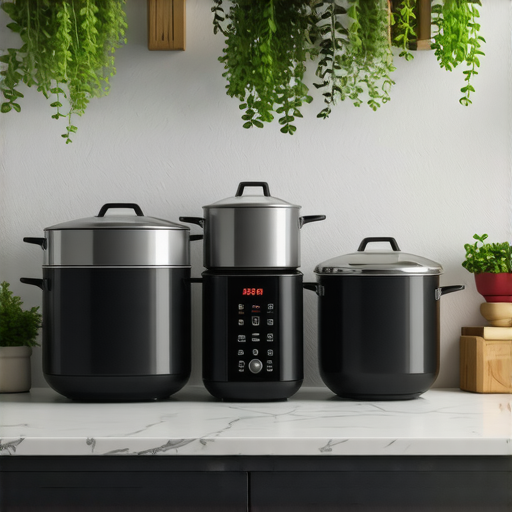
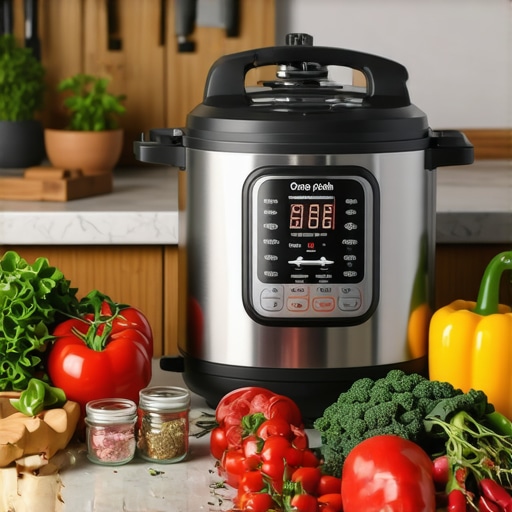
It was a hectic Tuesday evening when I found myself staring hopelessly at my cluttered kitchen counter, overwhelmed by a mountain of ingredients and a ticking clock. My old ways of juggling multiple pots and pans had left me exhausted and frustrated—until I realized I could harness the power of my multicooker. That lightbulb moment transformed my approach to dinner, showing me that effortless, delicious meals are within reach, even on the busiest nights.
Why Simplify Your Dinner Routine with a Multicooker
In today’s fast-paced world, spending hours in the kitchen isn’t always feasible. Yet, nourishing meals are essential, especially when you’re balancing work, family, and personal time. A multicooker acts as your trusted sidekick, allowing you to cook a variety of flavorful dishes in a single pot without constant supervision. However, many people aren’t tapping into its full potential because they’re unsure of the best tips and tricks.
Thankfully, I’ve learned from trial, error, and a little bit of research that mastering a few simple techniques can make all the difference. Implementing these tips has completely changed my dinner game, saving me time and stress while still serving hearty, home-cooked meals.
If you’ve ever felt overwhelmed by the complexity of one-pot cooking, you’re not alone. Have you ever faced a dinner disaster where your meal was undercooked, overcooked, or just plain bland? Trust me, I’ve been there, and early on, I made the mistake of blindly following recipes without understanding the importance of timing and ingredient layering. That mistake taught me that knowing a few key secrets can turn chaos into deliciousness.
For a comprehensive look at how to leverage your multicooker for effortless meals, I recommend checking out this [ultimate guide to multicooker and pressure cooker tips for 2024](https://cookers.kitchentechhq.com/ultimate-guide-to-multicooker-and-pressure-cooker-tips-2024). It’s filled with expert advice that helped me avoid common pitfalls and maximize flavor.
So, are you ready to simplify your cooking and enjoy more family dinners with less stress? Let’s dive into the practical tips that will make your multicooker your next favorite kitchen tool.
Layer Your Ingredients for Perfect Results
Start by stacking ingredients strategically. Place denser items like root vegetables at the bottom, where heat is strongest, and delicate sensitive items on top. This ensures even cooking without burning or undercooking. For example, when I made a beef stew, I browned the beef first, then layered carrots and potatoes on top, pouring broth over everything. The result was tender, flavorful meat with perfectly cooked vegetables.
Master the Sequencing of Additions
Introduce ingredients in stages based on their cooking times. Hard vegetables, dried beans, and tougher meats go in early, while quick-cooking greens or seafood are added later. During a chili night, I added beans and tougher cuts first, simmered for 30 minutes, then tossed in chopped peppers and shrimp for the last 5 minutes. This prevents overcooking and preserves textures.
Utilize Proper Settings for Different Meals
Familiarize yourself with your device’s presets and manual options. Use ‘pressure cook’ for stews and braises, ‘slow cook’ for tender casseroles, and ‘sauté’ for browning. Once, I attempted a risotto without knowing about the ‘sear’ function. I browned the rice first using sauté mode, then pressure cooked—resulting in a creamy, evenly cooked dish instead of the usual stir-and-watch method. For more tips, check out the [best multicooker and pressure cooker tips for 2024](https://cookers.kitchentechhq.com/best-multicooker-pressure-cooker-tips-for-effortless-one-pot-meals-2024).
Control Liquid Levels with Precision
Liquid is your cooking partner; too much and your dish becomes soupy, too little and it dries out. A good rule is to use enough to create steam for pressure cooking but not so much that it washes out flavors. I once added double the recommended broth to my chicken curry, and it resulted in an overly watery dish. Remember, you can always add more liquid after cooking if needed, but reducing a thickened sauce is another story. For detailed guidance, see this [ultimate guide to pressure cookers for easy one-pot meals in 2024](https://cookers.kitchentechhq.com/ultimate-guide-to-pressure-cookers-for-easy-one-pot-meals-in-2024).
Embrace the Release Techniques
Different recipes benefit from natural or quick release. Natural release involves letting the pressure drop gradually, which is ideal for meats to retain juices. Quick release cuts off pressure immediately, perfect for vegetables or sensitive ingredients. I always found that natural release yields juicier beef, but rushing the release for steamed fish prevents overcooking. Knowing when and how to release pressure elevates your dish quality. For more hacks, consult the [top pressure cooker hacks for effortless one-pot dinners](https://cookers.kitchentechhq.com/top-pressure-cooker-hacks-for-easy-delicious-one-pot-dinners-today).
Adjust Settings Based on Meal Complexity
Don’t be afraid to tweak time and pressure levels. Complex dishes may require longer cook times or high-pressure settings, while quick soups need minimal pressure and time. Experimenting with settings was how I discovered that a 40-minute pressure cook on high was perfect for my beef stew, whereas poultry benefits from lower pressure and shorter times. Record your adjustments to develop a library of optimal settings. More expert methods are explored in the [ultimate pressure cooker guide for quick, tasty one-pot meals](https://cookers.kitchentechhq.com/ultimate-pressure-cooker-guide-best-tips-for-quick-tasty-meals).
Many home cooks believe that these appliances are simply interchangeable slow or fast options, but in reality, misunderstanding their nuances can sabotage your meal. For instance, a common myth is that pressure cookers will always produce meat that’s fall-apart tender, but timing and pressure levels are crucial—overcooking or using the wrong setting can turn it tough or mushy. Experts emphasize that mastering the subtle differences—like choosing between natural and quick release or understanding lid seals—is vital for perfect results. Diving into the specifics, I learned that with pressure cookers, the type of sealing ring and valve maintenance directly impact cooking consistency, a nuance often overlooked, leading to failed dishes. According to culinary scientist Dr. Harold McGee, small adjustments in these variables can significantly alter texture and flavor; thus, it’s worth investing time learning these details. Advanced users know that these appliances demand more than just toss-and-go; they require a thoughtful approach to timing, ingredients, and device-specific settings. For insight into optimizing your pressure cooker, check out this [essential pressure cooker secrets for quick, tasty dinners in 2024](https://cookers.kitchentechhq.com/essential-pressure-cooker-secrets-for-quick-tasty-one-pot-dinners-2024). Don’t fall into the trap of thinking one size fits all—your success depends on understanding these hidden nuances. Have you ever fallen into this trap? Let me know in the comments.Maintaining your trusted kitchen appliances ensures they serve you well for years to come. The first step is choosing the right tools—a quality silicone spatula, which I personally swear by, is indispensable for scraping down the sides of your cooker without scratching non-stick surfaces and ensuring you get every last bit of that delicious sauce. Additionally, investing in a good digital thermometer helps in verifying the internal temperature of meats and grains, providing peace of mind and consistent results.
Regular cleaning is critical. I recommend a gentle scrub with warm soapy water and a soft brush for the lid seals, which tend to accumulate food residue and can affect the appliance’s pressure retention. For stubborn stains or mineral buildup, a mixture of vinegar and baking soda works wonders and keeps the internal components functioning optimally.
Now, let’s talk about the importance of understanding your device’s specific needs. Many newer models feature smart technology that can sync with smartphone apps. These apps allow you to monitor cooking progress, adjust settings remotely, and receive maintenance alerts. For example, some pressure cookers notify you when it’s time to replace seals or if any irregularities are detected—saving you from potential safety hazards.
Predicting where this trend is headed, I believe more manufacturers will incorporate predictive maintenance sensors that alert owners about component wear, much like modern cars. This integration will make appliance longevity more achievable and less of a guessing game.
How do I maintain my cooker over time to ensure optimal performance?
Consistent inspection and cleaning are key. Check rubber seals regularly for cracks or signs of wear, and replace them as recommended by the manufacturer. Keep the vent and pressure release valves clear of debris to prevent pressure build-up issues. Periodically deep-clean the inner lid and gasket area to prevent mould or residual odors, which can impact taste and safety. Also, refer to your device’s manual for specific maintenance tips or visit the official resources such as this [ultimate guide to multicooker and pressure cooker tips for 2024](https://cookers.kitchentechhq.com/ultimate-guide-to-multicooker-and-pressure-cooker-tips-2024) for detailed protocols.
Upgrading your accessories now and then can also extend your appliance’s lifespan. For example, switching to a silicone crock liner can prevent food sticking and make cleanup much easier, especially when preparing slow-cooked stews or chili.
Don’t overlook the significance of software updates if your device has digital components. Manufacturers often release firmware updates to improve performance and safety features. Keeping your kitchen tech current ensures reliability and efficiency.
Trying out these maintenance practices, particularly replacing seals based on manufacturer advice, can dramatically reduce your chances of sudden appliance failure and costly repairs. Equip yourself with a high-quality silicon spatula from a trusted brand—such as OXO or Silikong—that endures high temperatures and frequent use. For an added layer of security, consider having spare parts like seals and valves on hand, so your device remains in top condition.
Staying proactive about appliance care not only preserves your investment but also guarantees your meals are cooked safely and perfectly every time—making your busy kitchen a little less stressful. For specific techniques on optimizing your device’s longevity, explore this [expert guide to pressure slow cookers for perfect one-pot dinners](https://cookers.kitchentechhq.com/effortless-multicooker-slow-cooker-hacks-for-delicious-one-pot-dinners). Give one of these maintenance strategies a try today, and experience the difference in your cooking routine!
What I Wish I Knew When I Started
One of the toughest lessons I learned was that relying solely on preset programs isn’t enough; understanding the subtle differences in pressure and timing transformed my cooking. Sometimes, I thought more pressure meant better results, but overdoing it caused tough meats instead of tender bites. Then I discovered that experimenting with manual settings unlocked flavors I didn’t realize my appliance was capable of creating. This realization pushed me to view my multicooker not just as a gadget, but as a versatile tool that rewards curiosity and patience.
Tools That Elevated My Cooking Game
For me, a good digital thermometer became indispensable. It helped ensure my chicken reached the safe internal temperature without overcooking, making every meal reliably perfect. A quality silicone spatula made stirring a pleasure and protected my non-stick surfaces. Additionally, a well-maintained sealing gasket and regular cleaning of valves prevented pressure mishaps. Trusted brands like OXO for tools and following guides such as this comprehensive resource have kept my appliance in prime condition and inspired confidence in my cooking process.
Embrace Your Cooking Journey
Getting comfortable with your multicooker isn’t just about following recipes—it’s about discovering how it can become your kitchen’s backbone. Every new technique and tip learned adds up to more delicious, stress-free dinners that you can be proud of. Remember, every great chef started where you are now—curious, a bit uncertain, but eager to learn. So, give yourself permission to experiment, make mistakes, and celebrate successes. Your journey toward effortless, flavorful meals begins today, and the best part is, you’re already on the right track.