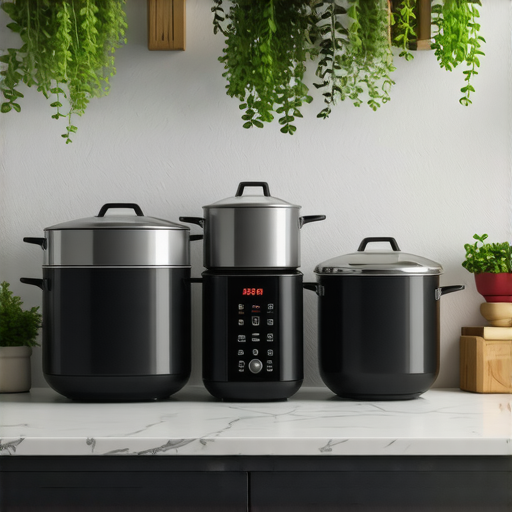
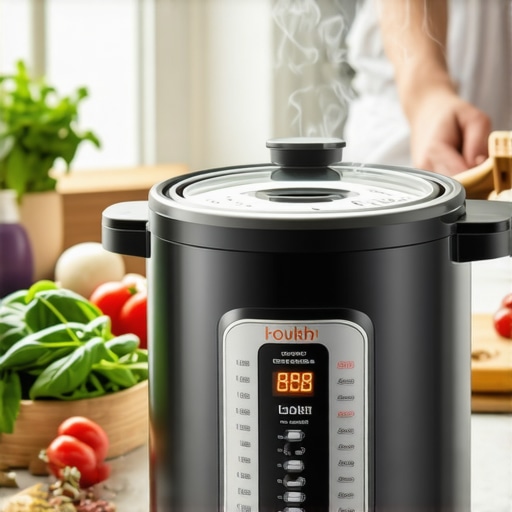
I remember the first time I tried to make a one-pot dinner using my pressure cooker. I was so excited—until I realized I’d overcooked the rice, under-seasoned the stew, and ended up with a soggy mess. It was a classic case of trying to do too much without the right hacks. Sound familiar? If you’re like I was, juggling busy days and craving a homemade meal that’s quick and satisfying, then you know the struggle of making everything work in one pot without turning dinner into a kitchen disaster.
Why One-Pot Cooking Still Feels Like a Challenge
Despite the promise of easy cleanup and faster cooking times, many of us hesitate to fully embrace pressure and multicookers for fear of messing up. I’ve been there—thinking, “Will I really get dinner on the table without burning something or ending up with a plate of mush?” It turns out, there’s a lot of trial and error involved, and early mistakes can make you skeptical about whether these appliances are worth the hype.
But here’s the thing: once I discovered a few simple hacks, my cooking game changed completely. I started turning out flavorful, perfectly cooked meals with minimal effort. No more guesswork, no more burnt surprises. And I want to share these secrets with you so you can enjoy the same relief and joy in your kitchen.
Is Pressure and MultiCooking Really Worth the Hype
Honestly, I used to think all the fuss was just that—hype. I made the mistake early on of trying to cook everything at once without understanding how to layer flavors or manage timing. That led to some less-than-stellar meals. But after reading expert tips on multicooker and pressure cooker tips, I realized that these appliances can be game-changers—when used correctly.
Today, I’ll walk you through the most effective hacks to turn your pressure cooker or multicooker into a one-pot meal-making powerhouse. From prepping smarter to timing perfectly, these tricks will save you time and frustration, making weeknight dinners a breeze instead of a chore.
Ready to stop dreading dinner and start enjoying quick, delicious, one-pot meals? Let’s dive into the practical steps that will elevate your cooking—no stress, just results.
Smart Prep to Layer Flavors
Start by organizing your ingredients before you turn on the cooker. Think of your pressure cooker as a stage—each ingredient has its cue. For example, sauté aromatics like garlic and onions first, then add tougher veggies or meats that benefit from longer cooking times. I once threw everything in at once for a beef stew, only to end up with mushy carrots and undercooked beef. Now, I always sauté the base ingredients first—this builds flavor and prevents the dreaded soggy texture. For more on building complex flavors quickly, check out this comprehensive guide.
Layer Timing for Perfect Results
Timing is everything. In my early days, I’d throw everything in and hope for the best—often with disappointing results. The secret is to add ingredients in stages based on their cooking times. Hard vegetables like potatoes or carrots go in early, while delicate greens or quick-cooking proteins are added later. Use the “pot-in-pot” method when needed, placing delicate items on a steam rack above denser ingredients. This approach prevents overcooking and keeps everything tender and flavorful. For detailed timing strategies, explore this article.
Master the Release
After cooking, the way you release pressure affects the final texture. I used to do quick releases impulsively—sometimes with messy splatters. Now, I gently release pressure using the natural release method when cooking grains or stews, which allows flavors to meld and ingredients to settle. For quick recipes, the quick release is perfect, but knowing when to switch methods is crucial. This technique is covered in depth in this guide.
Adjusting Liquids and Seasonings
It’s tempting to be heavy-handed with liquids, but too much can turn your dish into soup. Think of your pressure cooker as a sponge—liquids are essential, but excess dilutes flavors. I learned to cut back on liquids when I started cooking with the lid on tightly and to taste seasonings at the end. A good rule of thumb is to use about 1/2 to 2/3 of the usual amount of liquid for stovetop recipes. For seasoning tips, see this detailed guide.
Embrace the Power of Quick and Easy Recipes
When pressed for time, rely on tested quick recipes that maximize your appliance’s strengths. I keep a mental list of go-to dishes—chicken and rice, chili, or lentil soup—that I can whip up in under 30 minutes. For inspiration, visit this collection. These recipes are designed to be forgiving, so don’t worry if you need to tweak ingredients or timings—practice makes perfect.
Leverage Multi-Cooker Tips for Consistency
Consistency comes with understanding your specific appliance. Different models may require slight adjustments in timing or pressure levels. Investing a few minutes to learn your device’s quirks makes a big difference. For instance, some cookers have a delayed start feature that helps you plan meals precisely. For expert advice, review these top tips. Mastering these ensures every meal turns out just right—no more guesswork or burnt edges.
Use the Pot-in-Pot Technique
This technique involves placing ingredients in heatproof containers inside your cooker, allowing you to cook different elements separately and then combine them. It’s perfect for dishes like layered casseroles or delicate desserts. I tried this once with a layered lasagna, and the results were incredible—well-cooked pasta, perfectly melted cheese, and no soggy layers. For step-by-step instructions, see this tutorial.
One of the most widespread misconceptions is that pressure cookers and multicookers are completely set-and-forget devices. While they do offer incredible convenience, expecting them to deliver perfect results without understanding the nuances can lead to disappointing meals. For example, many assume that adding all ingredients at once and setting a high pressure will always produce a flavorful, perfectly cooked dish. However, this often results in overcooked vegetables, undercooked proteins, or muddled flavors. The secret lies in mastering the art of layering flavors and managing cooking times, which many overlook. For a more comprehensive approach, check out this guide.
Another common mistake is relying solely on default settings or preset programs without considering the specific needs of each recipe. Every ingredient has its ideal cooking time and pressure level, and ignoring this can ruin your dish. For example, softening tough root vegetables requires a different setting than delicate fish or greens. Advanced cooks learn to customize these parameters, sometimes even adjusting pressure levels or using the “pot-in-pot” technique to fine-tune results. If you’re interested in perfecting this skill, explore these tips.
Why Do Quick Releases Sometimes Ruin Your Meal?
Many home cooks make the mistake of doing a quick pressure release immediately after cooking, thinking it saves time. While this seems logical, it can actually compromise the texture and flavor of your dish, especially for stews and grains. The rapid drop in pressure can cause ingredients to seize, become mushy, or lose their vibrant flavors. Instead, understanding when to use the natural release method — letting the pressure subside gradually — allows flavors to meld and ingredients to settle into their perfect textures. For more on this, see this resource.
Furthermore, many overlook the importance of adjusting liquids and seasonings after cooking. Since pressure cooking reduces volume through evaporation, adding extra liquids or seasonings at the right moment is crucial. Over-seasoning or adding too much liquid at the start can result in bland or soupy dishes. The key is to taste and tweak after pressure release, which many beginners neglect. For detailed strategies, visit this extensive guide.
Finally, advanced users understand that not all models behave the same. Variations in pressure levels, release mechanisms, and cooking times require trial, error, and adaptation. Investing time to learn your specific appliance’s quirks — through practice and expert tips — is essential to consistently perfect your one-pot meals. For expert insights, review these tips.
Remember, mastering pressure and multicooker cooking is less about shortcuts and more about understanding the underlying mechanics. Have you ever fallen into this trap? Let me know in the comments, and share your experiences and questions!
Once you’ve mastered the art of creating delicious one-pot meals with your pressure cooker or multicooker, the next step is ensuring your equipment remains in top shape over time. Proper maintenance not only extends the lifespan of your appliances but also guarantees consistent results every time you cook. From routine cleaning to understanding when to replace parts, a proactive approach is essential for long-term success.
How do I keep my pressure cooker and multicooker working smoothly?
Start by following the manufacturer’s instructions for cleaning after each use. Most models have removable parts like sealing rings, valves, and lids that need regular inspection and cleaning. For example, I always remove the sealing ring and wash it with warm, soapy water, then let it air dry completely before reassembling. This prevents odor buildup and ensures a proper seal during cooking. Additionally, check the pressure release valves periodically for blockages or signs of wear. A clogged valve can compromise safety and performance. For detailed guidance, consult this comprehensive maintenance guide.
Another crucial tip is to keep the heating elements or base clean and free of debris. I use a soft cloth to wipe down the exterior and base, avoiding harsh abrasives that could damage sensitive components. Regularly inspecting the power cord for damage and ensuring it’s properly plugged in also prevents electrical issues. Over time, minor wear can develop, so replacing worn-out parts early can save you from bigger repairs later.
When it comes to software or digital controls, keeping the firmware updated, if applicable, can improve functionality and fix bugs. Many modern appliances offer app connectivity or firmware updates from the manufacturer’s website. Staying current with updates ensures your device benefits from the latest features and safety improvements.
Predicting future trends in appliance maintenance
Looking ahead, I believe smart appliances will incorporate more self-diagnostic features, alerting you when maintenance is needed or parts are nearing the end of their lifespan. AI-driven diagnostics could even suggest specific actions or schedule maintenance automatically. This transition toward smarter, more autonomous systems will make keeping your equipment in prime condition much easier.
To keep your pressure cooker or multicooker performing at its best, I recommend setting a quarterly maintenance routine. Check seals, valves, and electrical components regularly. Also, consider tracking your appliance’s usage patterns and replacing parts proactively based on manufacturer recommendations. Doing so will ensure your investment lasts for years of reliable, delicious meals.
Don’t forget to try implementing one advanced maintenance tip: keep a small container of food-grade silicone lubricant to lubricate the sealing ring and other moving parts as needed. This small step can dramatically improve the longevity and performance of your appliance. For expert advice on optimal maintenance practices, review this detailed guide.
By adopting these maintenance habits, you’ll enjoy consistent, safe, and efficient cooking for years to come. How do you currently care for your pressure cooker or multicooker? Share your tips or questions in the comments!
Having faced kitchen chaos myself, I’ve learned that the real secret to successful one-pot pressure cooker meals lies in embracing the nuances rather than fighting against them. These insights aren’t just tips—they’re lessons learned from trial, error, and a few lightbulb moments that changed my approach forever.
The Hardest Lesson I Learned About One-Pot Meals
One of my biggest mistakes was underestimating the importance of ingredient layering. I used to toss everything in the cooker at once, expecting a miracle, only to end up with uneven textures and disappointing flavors. The lightbulb moment came when I realized that starting with aromatics and tougher ingredients, then adding delicate ones later, makes all the difference. This simple step transformed my meals from soggy to spectacular.
3 Myths About Pressure Cooking That Held Me Back
I believed that pressure cooking was only for tough cuts of meat or lengthy stews. Turns out, that’s a myth. In reality, pressure cookers can handle delicate dishes like fish or vegetables if you know the right timings. Busting these myths opened up a world of quick, flavorful meals that I never thought possible.
What Experts Won’t Tell You About Multicooker Magic
Many overlook the importance of precise timing and the pot-in-pot technique. It allows you to cook multiple components separately, then combine them for a layered, restaurant-quality dish. Learning these insider tricks took my cooking from good to gourmet—without extra fuss or equipment.
Curious to Take Your Cooking Further?
If you’re eager to turn your pressure cooker into a culinary powerhouse, check out this collection of top recipes and these expert tips. They’ve helped me elevate every meal and I believe they can do the same for you.
Fuel Your Kitchen Confidence Today
Now it’s your turn: what’s the biggest challenge you’ve faced with pressure cooking or multicooker meals? Share your story below—I’d love to hear your experiences and help you troubleshoot any hurdles. Remember, with a little knowledge and practice, your one-pot meals will become the highlight of your week.
Reading through this post really resonated with me. I used to struggle with overcooking rice or ending up with a mushy stew when I first started experimenting with pressure cookers. The tips about layering ingredients and timing are so crucial; I’ve found that even a slight adjustment in when I add certain ingredients makes a huge difference. For example, I now set a timer for my tougher vegetables and add delicate greens at the last minute, which keeps everything tasting fresh and cooked perfectly.
One thing I’ve also learned is the importance of natural pressure release, especially with thicker sauces and grains, as it can really deepen flavors and prevent explosion splatters. Has anyone else experienced flavor loss with quick releases? What are your tricks to keep those flavors intact? I’d love to hear the community’s approach to balancing efficiency with flavor preservation.
I really connected with this post because mastering the art of layering ingredients was a game-changer for me too. Initially, I faced similar frustrations in my pressure cooker meals—overcooked rice, underseasoned stews, and that soggy texture everyone dreads. I’ve learned that setting clear stages for adding ingredients and understanding their cooking times makes all the difference. One trick I picked up is using the pot-in-pot method for delicate greens or rice, which prevents them from turning to mush.
Regarding pressure release, I’ve found that natural release not only preserves flavors but also keeps the dish looking and tasting better. Quick releases often cause ingredients to seize or lose their vibrant textures. Do others also find that natural release improves overall dish quality? It might be an extra step, but in my experience, it’s worth the effort for richer flavors and better consistency.
This post really resonates with my own experiences in the kitchen. Like many others, I once thought pressure cookers were mainly for tough meats or long stews, but I’ve since learned that with the right hacks, they can produce astonishingly delicate dishes too. The layering tips—starting with aromatics and tougher ingredients first—have truly transformed my meals. I also discovered that using the pot-in-pot method is a game-changer for avoiding overcooked rice and greens, especially when I want a bit more control over the textures.
A question I often grapple with is balancing the quick release and natural release methods to maximize flavor and texture. I find that for stews, a natural release helps deepen flavors but can extend cooking time. How do others decide which method to use for different dishes? Are there specific signs or timings that help you choose the best approach? Would love to hear everyone’s strategies on mastering that delicate balance to perfect our pressure cooker meals.
I really appreciated how this post emphasized the importance of ingredient layering and timing in pressure cooker recipes. When I first started using mine, I often threw everything in at once, only to end up with uneven textures or overcooked veggies. Since adopting the habit of sautéing aromatics first and then adding ingredients based on their cooking times, my dishes have become so much more consistent and flavorful. I especially like the tip about using pot-in-pot for delicate items, which I’ve tried for rice and even desserts, and it works beautifully to keep textures just right.
One challenge I still face is deciding the best release method—natural or quick—for different recipes. For stews, I prefer natural release to deepen the flavors, but sometimes I need quick release to save time. Have others found a sweet spot or specific signs that tell you which method to use? Would love to hear your experiences on balancing flavor and efficiency in pressure cooking.