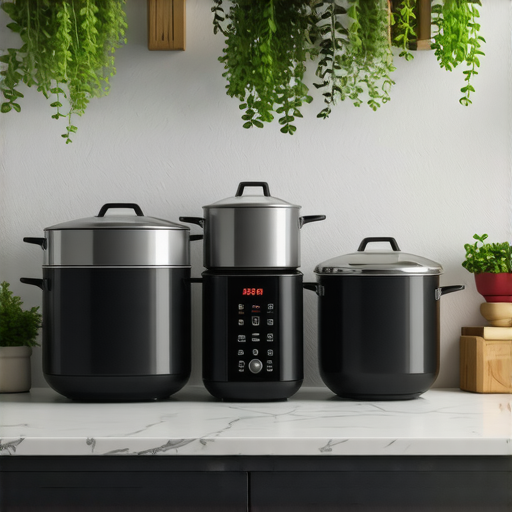
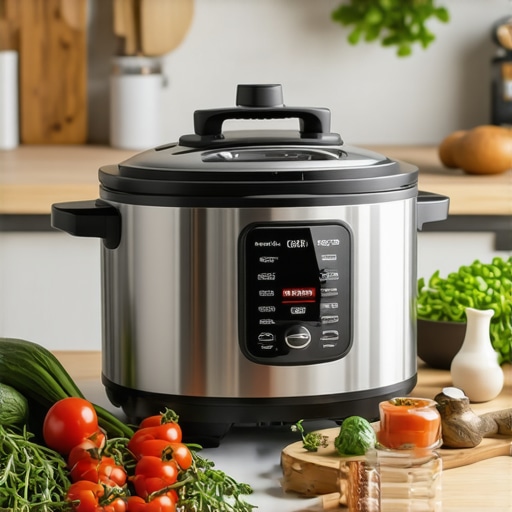
Ever had one of those evenings where you open the fridge, stare at the ingredients, and feel completely overwhelmed by the thought of cooking dinner? I’ve been there—standing in front of my slow cooker, feeling like I’d forgotten how to make a meal that’s both quick and delicious. The lightbulb moment came when I realized I was complicating things unnecessarily, trying to juggle multiple pots and pans when my trusty multicooker could handle it all with a push of a button.
Why Simplifying Dinner Routines Changed My Family Life
Partner, parent, and full-time worker—balancing all these roles leaves little room for complicated dinner prep. I used to spend ages chopping, sautéing, and constantly monitoring my stove, only to be disappointed when things turned out dry or undercooked. That was until I discovered the secret weapon: my multicooker. Once I started trusting this kitchen marvel, dinnertime transformed from chaos into a manageable and even enjoyable part of my day.
Learning to leverage my multicooker and slow cooker properly meant I could prepare flavorful, healthy meals without the nightly stress. But it’s easy to get lost in the sea of tips and recipes online. Early on, I made the mistake of assuming I just needed to follow every recipe blindly without understanding how to adapt it—that’s when I encountered overcooked vegetables or bland stews. Since then, I’ve learned that success hinges on understanding the basics and applying some simple tricks—like knowing the right cooking times and which ingredients shine in slow cooker meals.
And honestly, once I did that, my family’s dinner routine became more relaxed, with more quality time and fewer kitchen mishaps. If you’ve ever wondered whether a multicooker or slow cooker could genuinely make your life easier, you’re not alone. Many get overwhelmed by the options or the fear of messing up a meal. So, does this sound familiar to you? Have you faced similar struggles with dinner prep that left you frustrated or exhausted?
If so, you’re not missing some secret ingredient—just some straightforward guidance on how to master your appliances. That’s exactly what I’ll be sharing today, from essential tips to common pitfalls to avoid, so you, too, can enjoy effortless, tasty dinners without the stress.
Is All the Hype About Multicookers Actually Worth the Fuss?
Trust me, I came into this thinking it was just another trendy gadget. But early on, I burned my first batch of rice because I didn’t understand the timing—an easy mistake that many beginners make. The good news? With a little knowledge, these devices can be your best friend in the kitchen. Want to discover how I turned my chaotic dinners into a smooth sailing routine? Keep reading, and I’ll show you the proven tips that work for busy households like yours and mine. For a curated list of tried-and-true recipes, check out this [best multicooker and pressure cooker recipes](https://cookers.kitchentechhq.com/best-multicooker-pressure-cooker-one-pot-recipes-for-2024-2). Now, let’s dive into the core principles for making your multicooker work for you.
Prep Your Ingredients for Success
Before you start cooking, gather all ingredients and read your recipe thoroughly. Think of this step as assembling your battle gear—nothing derails a meal faster than scrambling last-minute. For example, on a hectic weekday, I once pre-chopped vegetables and measured spices the night before, which made my cooking feel smoother and faster. This preparation minimizes mistakes and ensures you won’t forget crucial ingredients.
Choose the Right Equipment Settings
Understanding your device’s functions is key. Multicookers and pressure cookers often have modes like ‘Sauté,’ ‘Slow Cook,’ ‘Pressure Cook,’ or ‘Steam.’ For a tender beef stew, I set my pressure cooker to ‘Meat/Stew’ for 35 minutes. Think of operating your cooker like tuning a car—select the appropriate gear for the terrain, which in this case is the meal you’re making. Consulting your appliance’s manual or the recommended tips from [top-pressure-cooker and multicooker tips](https://cookers.kitchentechhq.com/top-pressure-cooker-multicooker-hacks-for-effortless-one-pot-dinners-2024) helps prevent common user errors.
Layer Flavors for Richness
Build flavors by sautéing aromatics first—onions, garlic, spices—directly in the cooker if it has a sauté function. I’ve learned that starting with this step builds a depth to the dish by unlocking essential oils from herbs and vegetables. For example, I once sautéed onions and garlic, then added chicken and broth, which resulted in a richer, more savory flavor without extra pots. This method simplifies cleanup and boosts taste—because layering methods matter.
Master Time and Pressure for Perfect Results
Timing is everything. Use your cooker’s recommended times as a guideline, but remember that altitude and ingredient size can affect how long food takes. I once overcooked chicken by setting it to ‘High Pressure’ for 15 minutes instead of 10, which led to shredded poultry. To avoid this, start with shorter cook times and add more if needed, especially with tougher ingredients. For more detailed timing tips, see [best-pressure-cooker-instant-pot tips](https://cookers.kitchentechhq.com/best-pressure-cooker-instant-pot-tips-for-quick-one-pot-dinners).
Quick Release or Natural Release
Choose how to release pressure based on the dish. Quick release is ideal for vegetables or delicate seafood to prevent overcooking. Natural release takes longer but allows flavors to settle and food to become fork-tender. I once used quick release for a vegetable stir-fry and ended up mushy; switching to natural release for my beef stew preserved texture and taste. This step directly impacts meal quality, so know which method suits each recipe best.
Adjust Seasoning at the End
After cooking, always taste and adjust seasoning—salts, acids, herbs. Since pressure cooking can mellow flavors, I often add a splash of vinegar or fresh herbs afterward to brighten the dish. This final step ensures your meal isn’t just cooked but also well-seasoned and vibrant. Remember, a little salt or acid can elevate your dish from good to spectacular without extra cooking time. For more flavor tips, explore [best-instant-cooker tips-for-easy-one-pot-meals](https://cookers.kitchentechhq.com/best-instant-cooker-tips-for-easy-one-pot-meals-in-2024).
Simplify Meal Planning with Built-In Recipes
Many devices now come with preset programs or recipe guides. Use these to streamline decision-making and ensure consistent results. For example, I relied on my pressure cooker’s ‘Rice’ and ‘Soup’ preset modes, which simplified cooking when I was short on time. For inspiration and foolproof recipes, check out [best-multicooker-pressure-cooker-one-pot-recipes-for-2024](https://cookers.kitchentechhq.com/best-multicooker-pressure-cooker-one-pot-recipes-for-2024-2). This reduces guesswork, especially for beginners, and helps build confidence in your appliance skills.
Clean and Maintain Your Cooker for Longevity
After every use, clean the lid, seals, and inner pot thoroughly. Regular maintenance ensures your device functions smoothly and prolongs its lifespan. I once neglected to clean the pressure release valve, which caused it to clog, leading to a faulty seal. A quick check and cleaning routine—like wiping down surfaces and inspecting seals—keeps your cooker performing at its best. Think of it as routine tune-ups for your kitchen tool, keeping it ready for the next meal challenge.
While many home cooks see slow cookers, pressure cookers, and multicookers as simple appliances, there’s a lot of misconception about their capabilities and best practices. One prevalent myth is that all low-and-slow cooking results in flavorless, mushy meals. In reality, understanding how to fine-tune temperature and timing can dramatically enhance your dishes—it’s not just about leaving ingredients to simmer for hours. For instance, many assume that pressure cookers will overcook delicate vegetables, but with the right adjustments, you can preserve texture and taste. **A common mistake is using the default settings without considering ingredient variations**; for example, thicker cuts of meat require different pressure and time settings than lean poultry, and ignoring this can lead to disappointing results. Moreover, many underestimate the importance of layering flavors early on, especially when using the sauté function, which adds depth and complexity to dishes as outlined in expert guides. One underrated aspect is avoiding the trap of overfilling your cooker, which can cause safety issues and uneven cooking. Studies show that a balanced fill level results in optimal heat distribution and better flavor infusion. For advanced users, mastering the nuance of venting techniques—like quick release versus natural release—can make or break your meal’s texture. When preparing one-pot wonders, many forget that ingredient preparation matters: pre-chopping and understanding ingredient-specific cook times can prevent overcooking or under-seasoning, making your meals more refined. For comprehensive tips, it’s helpful to consult resources such as [top multicooker tips for effortless one-pot meals](https://cookers.kitchentechhq.com/top-multicooker-tips-for-effortless-one-pot-meals-in-2024). Remember, the key to elevating your slow-cooking game lies not in the appliance itself, but in the nuance of technique—like understanding pressure levels, timing, and flavor layering. If you’ve ever fallen into these traps, let me know in the comments. Mastering these details transforms your kitchen experience from basic to expert, ensuring every meal hits the mark with minimal stress.
Keep Your Kitchen Powerhouse in Top Shape
Ensuring your slow cooker or multicooker remains a dependable partner in your culinary adventures requires regular care and the right tools. First, always store your appliance in a dry, cool place, avoiding humid environments that could damage electrical components. Once a month, give the exterior a gentle wipe with a damp cloth to prevent dust buildup, which can interfere with vents and sensors. Remember, a clean machine performs better and lasts longer, saving you money and inconvenience over time.
For internal maintenance, periodically check the sealing ring for signs of wear or cracks. A damaged seal can lead to pressure leaks, compromising cooking efficiency and safety. I personally keep a spare sealing ring on hand—easy to swap during routine cleanups—so I never miss a beat. When cleaning, remove the ring and wash it with warm, soapy water, then dry thoroughly before reinstalling.
Essential Tools for Long-Term Performance
Investing in the proper tools makes maintenance straightforward. I recommend a non-abrasive sponge for cleaning inner pots; abrasive scrubbers can scratch the surface and affect heat conduction. Additionally, a soft-bristled brush is invaluable for cleaning around lids and vents without causing damage.
Using a vacuum with a brush attachment to clean vents and control panels can remove dust and debris that may hinder operation. For models with programmable settings, keep a measurement cup and a silicone spatula nearby—these assist in minimizing spills and ensure precise ingredient additions, preserving your appliance’s integrity.
Upcoming Trends in Maintenance
Looking ahead, I believe smart appliances integrated with IoT will feature self-diagnostic capabilities. Imagine your multicooker notifying you when the seal needs replacing or suggesting optimal cleaning intervals based on usage patterns. Such innovations will make appliance upkeep more intuitive and hassle-free, extending lifespan and enhancing safety.
How Do I Maintain My Cooker Over Time?
Regular cleaning is vital—wipe the exterior and inner components after each use, paying special attention to seals and vents. Always refer to your specific model’s manual for maintenance tips, as recommendations vary. Additionally, inspecting electrical cords for cracks and ensuring the power plug is secure prevents electrical issues that could damage your appliance or pose safety risks. Remember, a well-maintained cooker not only performs better but also keeps your family safer.
If you want to take your appliance care a step further, consider using a silicone brush to clean hard-to-reach areas around the lid and vents. This simple tool can prevent clogs and buildup, maintaining optimal pressure and heating efficiency. For detailed guidance on appliance upkeep, check out the ultimate maintenance guide.
Ultimately, consistent care combined with the right tools ensures your slow cooker, pressure cooker, or multicooker continues to deliver delicious meals for years to come. Remember, a little investment in maintenance now pays off by avoiding costly repairs or replacements later. So, grab that spare sealing ring and a soft brush—your future self will thank you for keeping your kitchen workhorse in prime condition. Ready to optimize your appliance care? Try regularly inspecting the seals with a flashlight or using a quick-pressure test routine to catch issues early.
The Little Lessons That Changed Everything
One of the most surprising realizations I made on my journey to effortless dinners is that perfection isn’t about following every recipe to the letter but understanding your appliance’s quirks. I once overcooked a delicate fish because I blindly trusted the default high-pressure setting—an embarrassing mistake, but it taught me to customize timing based on ingredient sensitivity.
Another lightbulb moment was discovering that layering aromatics significantly boosted flavor. Sautéing garlic and onions first, even briefly, unlocked a depth I hadn’t appreciated before, transforming simple stews into hearty delights.
Lastly, I learned the value of respecting my multicooker’s capacity—overfilling it leads to uneven cooking and stress. Now, I always leave room for ingredients to breathe, ensuring perfect results every time. These lessons reminded me that patience and curiosity are the best ingredients in mastering any kitchen gadget.
Tools and Tips That Truly Make a Difference
Over time, I’ve curated a set of trusted resources that keep my culinary life smooth. First, the Ultimate Guide to Multicooker and Pressure Cooker Tips is my go-to for troubleshooting and advanced tricks—it’s like having a mentor at your kitchen side. For recipe inspiration, I often browse the best multicooker and pressure cooker recipes; they save me time and elevate my meals. My secret weapon is a silicone brush for cleaning vents and seals, extending my appliances’ lifespan. Lastly, subscribing to blogs like Top Multicooker Tips for Effortless One-Pot Meals keeps me inspired and updated on new hacks. Trust me, these tools have been game-changers in my kitchen!
Your Next Adventure Starts Here
Embarking on your slow cooker, pressure cooker, or multicooker journey doesn’t mean perfecting everything overnight. Each meal, each mistake, and each small victory adds to your confidence and skillset. Remember, the goal isn’t just about eating a meal but about freeing your mind from kitchen stress and enjoying quality time with loved ones. So, take that first step—try a new recipe, tweak your settings, or simply clean your appliance with care. Your future self will thank you for making these mindful choices today. Dive into the world of effortless, flavorful one-pot dinners and see how much joy cooking can bring when approached with patience and curiosity.