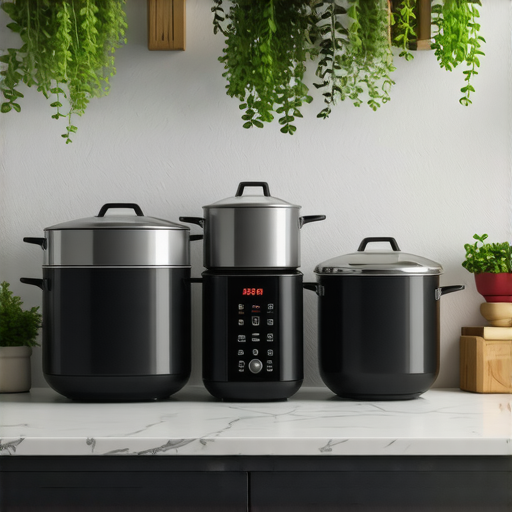
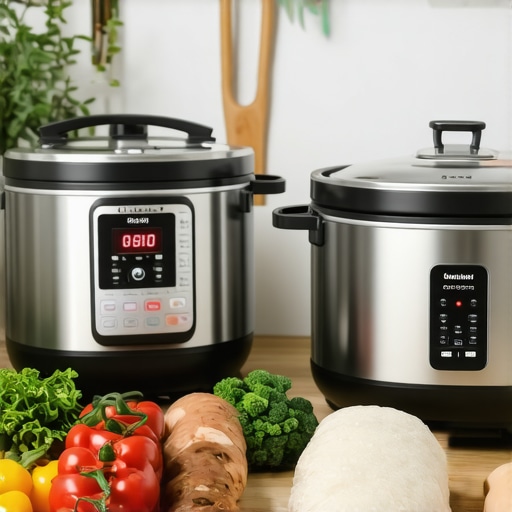
I remember the first time I tried to prepare a dinner using my pressure cooker. What should have been a quick, satisfying meal turned into a frantic scramble because I underestimated how long it would take to get everything just right. The pressure built up, the timer was ticking, and I was worried I’d end up with a burnt mess or undercooked ingredients. It was a lightbulb moment for me—if I was going to make the most of these handy kitchen helpers, I needed better hacks, tips, and tricks. And honestly? That’s what I want to share with you today.
Why Quick Pressure and Slow Cooking Can Transform Your Dinner Routine
Let’s face it—life gets busy. Between work, family, and everything in between, finding the time to cook a wholesome, delicious meal can feel like an uphill battle. That’s where these devices shine. I’ve discovered that when you harness the right pressure cooker or slow cooker hacks, you can whip up fantastic one-pot meals that are both effortless and flavorful. No more juggling multiple pots or stressing over timing. Instead, you get a dish that’s ready when you are, with minimal cleanup.
In fact, according to a recent study, nearly 70% of home cooks look for ways to save time without sacrificing taste. That’s exactly what these appliances do—streamline your cooking process while still delivering delicious results. But, just like any tool, they come with their own set of pitfalls. Early on, I made the mistake of opening the lid too soon or overfilling the cooker, which led to some less-than-appetizing results. Trust me, I’ve been there. That’s why I want to guide you through avoiding those rookie errors and making the most of your kitchen gadgets.
Is all the hype about pressure and slow cookers actually justified?
For a long time, I was skeptical about whether these appliances could truly replace traditional cooking methods. My concern was that they might turn out bland or overcooked. It wasn’t until I experimented with some simple recipes—I recommend starting with easy chicken stew or beef chili—that I realized how powerful these tools can be. If you’ve ever hesitated because you’re worried about ruining a meal, I get it. My early mistake was ignoring the importance of proper liquid ratios, which can lead to a burnt or undercooked dish. But once I learned the right techniques, I was hooked.
If you’re curious about how to get started or want to avoid common pitfalls, I’ve got some fantastic resources for you. For quick weeknight dinners, check out quick and easy pressure cooker recipes. To understand the broader scope of making the most of your multicooker, explore top multicooker tips for effortless meals. These guides helped me turn my kitchen chaos into a well-oiled dinner-making machine, and I’m confident they can do the same for you.
So, if you’ve faced the frustration of a meal gone awry or just want to streamline your dinner prep, stick around. I’ll walk you through proven hacks to make your pressure and slow cooker experience smooth, successful, and downright enjoyable. Ready to become a one-pot dinner pro? Let’s dive in!
Layer Your Ingredients Strategically
When I first started using my pressure cooker, I learned the hard way that ingredients with different cooking times need to be added thoughtfully. For example, I once threw in potatoes, carrots, and beef all at once, expecting everything to be ready simultaneously. The result? Mushy veggies and undercooked meat. Now, I cut tougher ingredients like root vegetables into smaller pieces and add delicate items later in the process or use the best pressure cooker tips for one-pot meals to plan better. This ensures everything finishes cooking at the same time and tastes fantastic.
Master the Liquid Ratios
One common mistake I made early was overfilling my cooker with ingredients without enough liquid. Pressure cookers rely on steam to cook food quickly, so you need enough liquid to build pressure. I once made a stew with just a cup of broth for a full kilogram of meat and vegetables—big mistake. The dish ended up burned at the bottom, and I learned that a good rule of thumb is to use at least one cup of liquid for every 4-6 cups of ingredients. For slow cookers, balance is different; here, less liquid is needed, but it’s still essential to prevent burning or drying out. For detailed guidance, check out the best pressure and slow cooker hacks for perfect dishes.
Build Layers for Flavors
I discovered that layering ingredients can dramatically improve flavor. Instead of dumping everything in at once, I start with aromatics—onions, garlic, spices—at the bottom. Then, I add tougher ingredients like potatoes or carrots, followed by proteins. This technique, backed by top multicooker tips, helps each component cook evenly and absorb flavors. Once, I layered a chicken and vegetable stew, and the result was rich, hearty, and full of depth, much better than my initial haphazard attempts.
Adjust Cooking Times Based on Ingredients
Every ingredient has its ideal cooking time, which is crucial for success. I learned to consult recipes or guides like the quick and easy pressure cooker recipes to get a sense of timing. For example, I set my pressure cooker for 10 minutes when cooking beef stew, but if I add green beans, I reduce the pressure time to 2 or 3 minutes at the end. This prevents overcooking and keeps everything vibrant and fresh. Using a timer and understanding ingredient-specific cook times ensures your dish isn’t overdone or undercooked.
Use Natural Release for Better Texture
I used to release pressure immediately after cooking, which sometimes left my meals soggy or uneven. Now, I let the pressure come down naturally for at least 10 minutes, especially with meats and stews. This allows residual heat to finish cooking, tenderize, and meld flavors. It’s like giving your dish a gentle finishing touch, resulting in a more cohesive and flavorful meal. For tips on perfect pressure release, explore ultimate multicooker and pressure cooker tips.
Clean and Maintain Your Equipment
Finally, I learned that cleaning your pressure and slow cookers after each use preserves their performance. Residue buildup can affect sealing and cooking times. I keep my appliances in top shape by following simple cleaning routines, as suggested in expert tips for pressure and slow cooker maintenance. This small step ensures consistent, delicious results every time I cook.
Many home cooks assume that mastering pressure and slow cookers is simply about following recipes and adjusting settings. However, there are subtle pitfalls and misconceptions that can trip up even experienced users. For instance, a widespread myth is that overfilling your cooker ensures more flavor. In reality, overfilling can block the pressure release valve or prevent the lid from sealing properly, leading to inconsistent results or even safety hazards. Always adhere to the manufacturer’s maximum fill lines—not only for safety but to ensure proper pressure buildup and cooking efficiency. For detailed guidance, check out top multicooker hacks.
Another common mistake is neglecting the importance of proper liquid ratios. Many assume that less liquid means a thicker, more flavorful dish. But pressure cookers rely on steam to cook food evenly and quickly. Using too little liquid can result in burning or undercooked ingredients, especially with tougher cuts of meat or dense vegetables. A nuanced understanding is that for pressure cooking, at least one cup of liquid per 4-6 cups of ingredients is essential. For slow cookers, less liquid is needed, but too little can dry out your meal. Mastering this balance is key—don’t rely on guesswork. Instead, consult resources like best pressure and slow cooker hacks.
Why do some dishes turn out bland despite following recipes?
This often occurs because of overlooked layering and seasoning techniques. Simply dumping ingredients into the cooker without considering their order can lead to uneven flavor absorption. For example, adding salt or spices at the beginning can sometimes diminish their potency, especially in long-cooked dishes. Instead, layer aromatics like onions and garlic at the bottom, then add proteins and vegetables. This layering technique, backed by top multicooker tips, ensures each component cooks evenly and retains its flavor. Have you ever fallen into this trap? Let me know in the comments.
Finally, a sneaky nuance is the timing of pressure release. Many cooks release pressure immediately after cooking, but this can cause meats to seize up or vegetables to become mushy. Allowing a natural release for 10-15 minutes helps residual heat tenderize the meat further and meld flavors better. This small step, often overlooked, makes a significant difference in texture and taste. For more advanced tips, explore ultimate multicooker tips.
In essence, the hidden nuances lie in respecting the equipment’s mechanics—liquid ratios, ingredient layering, filling levels, and pressure release timing. These details are what separate a mediocre dish from a culinary masterpiece. Have you ever encountered a dish that turned out perfect after adjusting one of these factors? Share your experience below!
Maintaining your pressure and slow cookers is essential to ensure they perform optimally and last for many years. From routine cleaning to troubleshooting common issues, I’ve developed a set of trusted methods that keep my appliances running smoothly. One key step I swear by is regularly inspecting the sealing ring and pressure valves; a simple wipe with a damp cloth prevents buildup and maintains proper sealing. For more detailed maintenance routines, I recommend checking out this comprehensive guide. Additionally, I always follow the manufacturer’s instructions for descaling and deep cleaning, especially for appliances with removable parts, to avoid mineral deposits that can impair function.
Another critical aspect is using the right cleaning tools. I prefer soft brushes and non-abrasive sponges to clean the inner pots and lids, avoiding harsh chemicals that could damage the non-stick coatings. This careful cleaning not only prolongs the life of my appliances but also ensures they operate safely and efficiently. Over time, I’ve learned that a little preventive maintenance goes a long way—like checking the gasket for cracks or tears every few months. If you notice any damage, replacing the gasket promptly prevents leaks and pressure issues, saving you from costly repairs.
Looking ahead, I believe the trend in pressure and slow cooker maintenance is moving toward smart diagnostic features. Some newer models can alert you to issues like low pressure or gasket wear via connected apps, making maintenance more proactive and less guesswork. As technology advances, I predict more appliances will include self-cleaning functions or built-in sensors to monitor performance—saving time and reducing user error.
How do I maintain my pressure and slow cookers over time?
To keep my appliances in top condition, I follow a simple routine: after each use, I disassemble and thoroughly clean all parts, paying close attention to seals and valves. I also perform a deep clean monthly using a vinegar solution to descale mineral buildup, especially if I live in a hard water area. Finally, I keep a maintenance log to track gasket replacements and other repairs, which helps me stay ahead of potential problems. Remember, following the manufacturer’s guidelines and investing in quality replacement parts are crucial for long-term reliability. For more advanced tips, explore this expert guide.
To truly optimize your appliances, I recommend trying out a routine check of the pressure valves before each cooking session. Ensuring they are clean and functioning prevents pressure loss and cooking errors. This small step can save hours of troubleshooting later on. Don’t underestimate the power of consistent maintenance—your meals will thank you!
The Hardest Lesson I Learned About Pressure Cooking
One of my biggest lightbulb moments came when I overfilled my pressure cooker, thinking more ingredients would mean more flavor. Instead, I faced a safety hazard and a ruined meal. Now, I always respect the maximum fill lines—safety first, and flavor second. This lesson taught me that patience and precision are key to pressure cooking success.
The Myth That Holds You Back in Slow Cooking
I used to believe that adding more liquid would make my dishes richer. Turns out, slow cookers need just enough to keep ingredients moist—too much and everything becomes a soggy mess. Trust me, mastering the right liquid ratio transformed my meals from bland to vibrant. For detailed insights, I recommend exploring top slow cooker recipes.
What Experts Won’t Tell You About Ingredient Layering
Initially, I dumped everything into my slow cooker without thinking about layering. The flavors didn’t meld, and some ingredients were overcooked while others remained underdone. Now, I layer aromatics at the bottom, then tougher vegetables, and finally proteins. This simple change has made all the difference in achieving rich, balanced flavors every time.
3 Personal Insights That Make a Difference
- Timing is Everything: Adjust cooking times based on ingredients—green beans need less time than root vegetables.
- Natural Pressure Release: Letting pressure come down naturally tenderizes meats and enhances flavor.
- Regular Maintenance: Clean seals and valves help your appliances perform reliably, ensuring perfect results each time.
My Essential Toolkit for Pressure and Slow Cooking
- Trusted Recipes: Check out quick pressure cooker recipes for busy nights that deliver deliciousness fast.
- Expert Tips: Dive into this comprehensive guide for maintaining your appliances and troubleshooting common issues.
- Community Support: Join online forums where experienced cooks share their hacks and experiences, helping you avoid rookie mistakes.
Your Turn to Elevate Your Cooking Game
Now that you know these insider hacks, it’s time to experiment and find what works best for your kitchen. Remember, mastering pressure and slow cookers is about patience, practice, and paying attention to details. Your future self will thank you for the effortless, flavorful meals you create with a little guidance and a lot of passion.
Have you ever struggled with timing or ingredient layering in your pressure cooker? Share your story below—I’d love to hear how you turned things around!
This post really resonated with me, especially the part about layering ingredients properly. I used to throw everything into my pressure cooker without much thought, and I’d end up with uneven flavors or overcooked veggies. Now, I make it a point to start with aromatics and tougher ingredients, then add quicker-cooking items later. It’s made a noticeable difference in the depth of flavor and texture. I’m curious, for those who use a variety of ingredients, do you find that adjusting cooking times for individual components works better than sticking to one set time? I’d love to hear your strategies so I can refine my approach further.
Reading this post really made me think back to my early days of using pressure cookers. I used to struggle with the timing and often ended up with undercooked meat or mushy vegetables. Now, I follow the layering tips and always adjust cooking times for different ingredients. I agree that mastering liquid ratios is crucial—I once added too little liquid and ended up with a burnt bottom! It’s also helped me to use natural pressure release more often, especially for meats, to keep everything tender and flavorful. One thing I’ve recently started experimenting with is timing addition of delicate ingredients like greens, which are best added at the end to prevent overcooking. Do you find that using shorter, more specific cook times for each ingredient improves the overall flavor and texture? Would love to hear how others are managing different ingredient timings in their recipes.