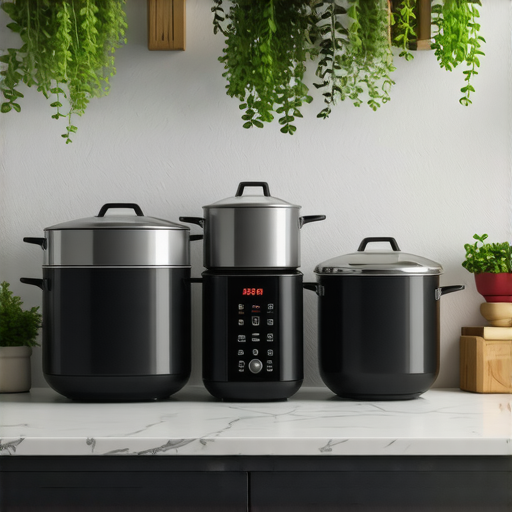
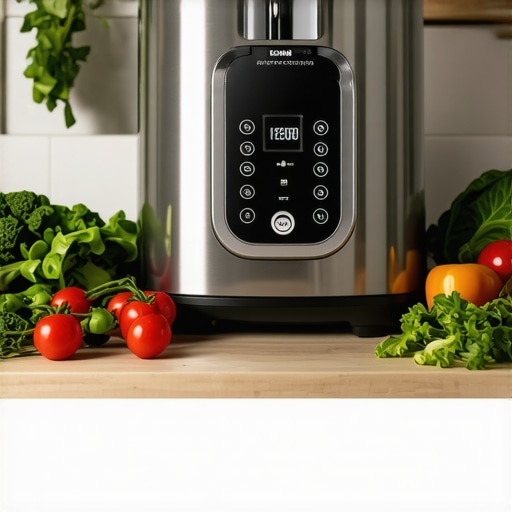
Ever had one of those hectic weeknights where you stare at your ingredients, desperate for a quick, nourishing meal, only to end up with takeout or a microwave dinner? I used to face that all the time. My multicooker sat on the counter, gathering dust, because I thought I just didn’t know how to use it properly. It was frustrating—spending money on gadgets that promised convenience but delivered confusion.
Why Simplifying Dinner Matters More Than Ever
In today’s busy world, the last thing most of us want is to spend hours in the kitchen. According to a recent survey, over 60% of Americans feel stressed about dinner planning at least a few times a week. That’s wild, right? The good news is, with the right multicooker tips, you can cut that stress down to almost zero. I’ve discovered that mastering a few simple tricks transforms the way I cook—and how much time I spend in the kitchen.
What’s more, a well-tuned multicooker isn’t just about convenience; it’s about making meals that taste amazing without the usual fuss. Whether you’re a busy parent, a working professional, or just someone who loves good food without the hassle, these tips will change your dinner game. Want to know how I went from overwhelmed to confident? Stick around, because I’m about to share the secrets that made my weeknights easier—and tastier.
Is This Just Another Fad? Or Worth the Hype?
Honestly, I was skeptical at first. I remember trying one recipe, only to have it burn or turn out bland. Early on, I made the mistake of ignoring the importance of proper layering and timing. That’s when I realized that the magic of a multicooker isn’t just in pressing buttons; it’s in understanding how to get the most out of your device. For some real insider knowledge, check out top multicooker tips for effortless one-pot meals. It’s packed with proven strategies that will save you time and effort.
So, if you’ve ever felt overwhelmed by the idea of making dinner after a long day, I get it. I’ve been there. But I promise, with just a few tweaks, your multicooker can become your best friend in the kitchen. Ready to discover how? Let’s dive into the easiest, most effective tips to turn your busy weeknights into delicious, stress-free dinners.
Prep Your Ingredients Smartly
Start by gathering all your ingredients before you turn on the multicooker. This is like setting up a workstation in a busy kitchen — it saves time and keeps you organized. For example, when I made a beef stew last week, I chopped vegetables and measured spices beforehand. This way, I wasn’t scrambling once the cooker was hot, and everything cooked evenly. To streamline this step, try to choose recipes that require minimal prep or that can be cut in advance. Check out top multicooker tips for effortless one-pot meals for more ideas on prepping efficiently.
Layer Ingredients Strategically
Think of your multicooker like a layered cake; the order matters. Hard vegetables like potatoes or carrots should go at the bottom because they take longer to cook. Delicate ingredients like greens or fish go on top to prevent overcooking. I once threw everything in at once with a chicken and rice recipe, and the rice was mushy while the chicken was underdone. That’s when I learned to layer ingredients properly. This method ensures everything cooks perfectly without extra fuss or stirring. For more advanced layering tricks, see pressure cooker hacks.
Choose the Right Settings and Timing
Picking the proper mode and duration is crucial. Think of your multicooker as a car — you need to select the right gear for the journey. For tougher cuts of meat, use the slow cooker or pressure cooker mode with longer cooking times. For quick meals, the sauté or quick-release pressure setting works best. I once tried to cook a beef stew on a high-pressure setting for 20 minutes, but it was tough. After that, I read the guide and learned to adjust the time based on the cut and size of ingredients. Don’t forget to consult your model’s specific instructions, or visit ultimate multicooker tips for tailored advice.
Master the Art of Natural Release
Once your cooking cycle ends, resist the urge to open the lid immediately. Think of it as letting a cake cool — patience results in better texture. Use natural release when cooking stews or braised dishes; it helps tenderize meat and meld flavors. I once impatiently did a quick release on a pot roast, and the meat was tough. After switching to natural release, the meat became fall-apart tender. It’s a small step that makes a huge difference. For detailed guidance, check pressure cooker recipes.
Clean and Maintain for Repeat Success
After each use, clean your multicooker thoroughly to keep it running smoothly. Wipe down the lid, sealing ring, and inner pot with a damp cloth. Regular maintenance prevents odors and ensures your cooker heats evenly every time. I once neglected cleaning mine, which caused inconsistent results. Now, I schedule a quick clean after each meal, making future dishes even easier. For detailed cleaning tips, visit slow and instant cooker care.
Many home cooks assume that mastering a multicooker is just about pressing the right buttons and waiting. However, even seasoned users often fall into subtle traps that can sabotage their efforts. Let’s dig deeper into some of the most overlooked pitfalls and why understanding them can elevate your cooking game to a whole new level.
Why Most People Overlook the Power of Proper Layering
One of the biggest misconceptions is that ingredients can be thrown in haphazardly. Contrary to popular belief, the order in which you layer ingredients can dramatically impact the final dish. Hard vegetables like potatoes and carrots should always go at the bottom, closest to the heat source, while delicate ingredients like leafy greens or fish should be added last or on top. Skipping this step often results in overcooked greens and undercooked roots, ruining the meal’s texture and flavor. For advanced layering techniques, check out pressure cooker hacks.
What Advanced Users Sometimes Miss About Timing and Settings
Adjusting cooking time and selecting the right mode isn’t just about following a recipe. Many make the mistake of relying solely on default settings, unaware of how ingredient size, cut, and even altitude can influence cooking. For instance, a beef stew cooked for 20 minutes on high pressure might be tough if the meat is large or frozen. Experts recommend customizing your timing based on these factors, and consulting your model’s specific guidance, as explained in ultimate multicooker tips. This nuanced approach ensures perfectly tender results every time.
Why Natural Release Makes All the Difference
Another common mistake is rushing to open the lid after cooking, which can lead to uneven textures and loss of flavor. Natural release allows pressure to dissipate gradually, giving the ingredients time to settle and flavors to meld. In my experience, skipping this step results in tougher meat and less flavorful dishes. Mastering natural release, especially for braised dishes like pot roast or chili, guarantees a more tender, flavorful meal. For detailed insights, explore pressure cooker recipes.
Are You Using the Right Cleanliness Routine
Many underestimate how much cleaning impacts cooking performance. Residual food, grease, or odors can affect heat distribution and even cause safety issues. A quick but thorough cleaning of the sealing ring, lid, and inner pot after each use, as discussed in slow and instant cooker care, keeps your appliance in peak condition. Neglecting this simple step can lead to inconsistent cooking results, which frustrates even the most experienced cooks.
Have you ever fallen into this trap? Let me know in the comments. Understanding these nuanced mistakes and how to avoid them will make your multicooker experience smoother, more efficient, and ultimately more delicious. Remember, the difference between a good meal and a great one often comes down to mastery of these small but crucial details.
Investing in a high-quality multicooker is just the first step; keeping it in excellent condition over time ensures your meals stay delicious and your appliance lasts for years. Proper maintenance isn’t complicated, but it does require a few dedicated habits and the right tools. I’ve found that following a consistent care routine and using specific cleaning products makes a notable difference in performance and longevity.
How do I maintain my multicooker over time?
First, always unplug the device after use and let it cool down before cleaning. Regularly wipe down the exterior with a damp cloth to prevent dust buildup. The most critical component is the sealing ring; it ensures pressure builds correctly and prevents leaks. I recommend removing the ring after each use and washing it with warm, soapy water. For stubborn odors or residue, I use a mixture of baking soda and water to scrub gently. Make sure to dry all parts thoroughly before reassembling to avoid mold or mildew. The inner pot also benefits from a thorough cleaning; I prefer non-abrasive sponges and gentle dish soap to avoid scratching the surface.
To keep the lid and vents functioning smoothly, inspect and clear any debris or food particles that may have accumulated. Some models have removable parts, which I recommend soaking periodically in vinegar to remove mineral deposits or stains. Additionally, check the power cord and plug regularly for damage—safety first! Using a soft brush or compressed air can help dislodge dust from vents and crevices, maintaining optimal heat distribution and safety.
Tools like a silicone spatula help in scraping out residual food without scratching the non-stick surface. I also keep a dedicated microfiber cloth for wiping down the exterior and a small brush specifically for cleaning the pressure release valve. These simple tools combined with a regular cleaning schedule keep my multicooker running like new.
The future of multicooker maintenance
As technology advances, we can expect more models to feature self-cleaning functions or smarter diagnostics that alert us when maintenance is needed. Some brands are already experimenting with sensors that detect mineral buildup or seal wear, which could revolutionize how we care for our appliances. Staying ahead of these innovations will help us preserve our investment and enjoy consistent results.
Now, I challenge you to try a deep clean of your multicooker’s sealing ring this week with a vinegar soak. It’s a quick step that can prevent odors and ensure perfect sealing for your next batch of meals. Keeping your multicooker in top shape not only extends its lifespan but also guarantees that every dish turns out just as delicious as the first time.
The Hardest Lesson I Learned About Multicooker Magic
One of the most eye-opening lessons was realizing that the order of ingredients truly influences the final dish. I used to toss everything in at once, only to end up with uneven textures and bland flavors. Once I started layering ingredients properly, I saw a dramatic difference in taste and consistency. It’s a small step that skyrocketed my confidence in the kitchen.
3 Myths About Multicooker Cooking That Held Me Back
I believed that all recipes could be cooked the same way in a multicooker, but the truth is, each dish requires specific settings and timing tweaks. Over-relying on default modes often led to disappointing results. Learning to adjust times based on ingredient size and type was a game-changer, making my meals consistently delicious.
What Experts Won’t Tell You About Maintaining Your Multicooker
Proper cleaning and maintenance are often overlooked, but they’re crucial for performance. I discovered that a thorough weekly clean, especially of the sealing ring and pressure valves, keeps my cooker functioning perfectly. Neglecting this can cause leaks, uneven heating, and even safety issues. Trust me, a little extra care makes all the difference.
Curated Recommendations for Cooking Success
For mastering your multicooker, I highly recommend checking out Top multicooker tips for effortless one-pot meals. It’s packed with practical advice from seasoned home cooks. Additionally, the ultimate guide to multicooker tips offers detailed insights into settings and techniques. These resources helped me troubleshoot common pitfalls and elevate my cooking game.
Your Next Step to Culinary Confidence
Now, it’s your turn to experiment and refine your skills. Remember, the key to effortless multicooker meals lies in understanding the nuances—layering ingredients, adjusting settings, and maintaining your device. Don’t be afraid to make mistakes, because each one teaches you something valuable. Dive in, get creative, and watch your weeknights transform into satisfying culinary victories. How will you start mastering your multicooker today? Share your plans below and let’s grow together!
I really relate to the initial frustration with multicookers—spending money on a device that feels more complicated than it’s worth. The detailed tips about layering ingredients caught my attention because I’ve seen overcooking or undercooking happen when I’m in a rush. Starting with chopped ingredients and understanding that hard veggies like potatoes should go at the bottom is a game changer for me. I also learned the hard way that rushing to open the lid after cooking can ruin the dish’s texture, especially with tougher cuts of meat. Patience with natural release really makes a noticeable difference in tenderness.
One thing I’ve struggled with is cleaning and maintaining my cooker regularly, especially with stubborn odors. I’ve found soaking the sealing ring in vinegar helps a lot. I’m curious—does anyone have tips for maintaining the sealing ring to keep it fresh and odor-free longer? Also, I’ve been wondering how often other users replace their sealing rings for optimal safety and performance. Would love to hear others’ maintenance routines or any DIY tricks that work well.
I really appreciate this detailed breakdown—it’s made me rethink my entire approach to using my multicooker. I especially agree about the importance of ingredient layering; I used to just toss everything in, expecting it to cook evenly, but I always ended up with overcooked greens or undercooked potatoes. Now, I make it a point to layer sturdier veggies at the bottom and delicate items on top, which has significantly improved my results. Also, the tip about natural release is spot on. Rushing to open the lid has, in the past, led to tough meat or soggy dishes.
One thing I’ve found helpful for maintaining my cooker, especially the sealing ring, is to regularly check for odors and clean it with a baking soda paste. I also keep a spare sealing ring just in case, which ensures I always have a fresh one when needed. Has anyone tried replacing their sealing ring periodically as part of routine maintenance? I’d love to hear how often others do this and if they notice a difference in performance over time.
I really enjoyed reading this detailed guide on mastering the multicooker. Like many, I initially found it frustrating because I wasn’t aware of the importance of layering ingredients or adjusting timings for different meats and vegetables. My breakthrough came when I started using the natural release every time, especially for dishes like roasts and soups. It makes such a difference in the tenderness and flavor! I also learned to prep ingredients in advance, which helps keep me organized and prevents hot messes during busy weeknights. One challenge I still face is keeping the sealing ring odor-free. I usually soak it in a baking soda solution, but I’m curious—has anyone found a more effective method or replaced theirs regularly? Also, I’ve recently started labeling my spare rings for different types of dishes to prevent flavor transfer. Do others do this, or is it better to have just one clean ring? Would love to hear more tips from fellow multicooker enthusiasts to keep it in tip-top shape.
Reading through this post really resonated with me, especially the emphasis on ingredient layering. I used to throw everything in at once, which often led to uneven textures and flavors. Now, I layer vegetables and proteins carefully—harder root vegetables go at the bottom, and delicate greens or fish are added last. It’s such a simple change but makes a noticeable difference in the final dish quality.
Regarding maintenance, I’ve found that keeping the sealing ring odor-free is crucial for consistent results. I regularly soak mine in vinegar and baking soda solutions, and I also rotate between a couple of spare rings to prevent flavor transfer. How frequently do others replace their rings for safety and performance? I’d be interested to hear if anyone has a routine that works particularly well for preserving the longevity of their cooker.