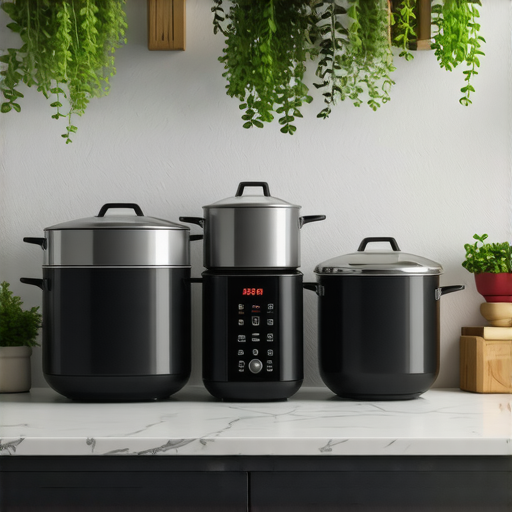
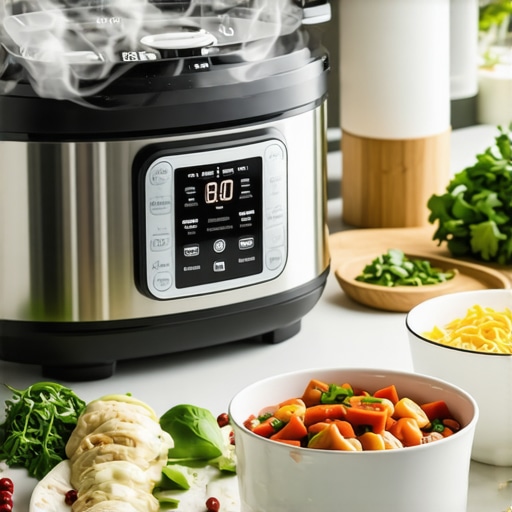
It was late afternoon, and I stared into my cluttered kitchen. The clock was ticking, and I hadn’t even started dinner. Frustration bubbled up—how could I make a wholesome meal without spending hours in the kitchen? That lightbulb moment hit me hard: my multicooker and slow cooker could be my best friends if I just knew a few well-kept secrets. Since then, my evenings have transformed from stressful chaos to relaxed, delicious dinners. And guess what? You can unlock this magic too.
Your Shortcut to Stress-Free Dinners
If the thought of whipping up dinner after a hectic day makes you want to throw in the towel, I get it. Busy schedules, picky eaters, and the desire to eat healthy leave many of us wishing for a simple solution. The good news? Your multicooker and slow cooker are more than just appliances—they’re your ticket to effortless, tasty meals with minimal fuss. With the right hacks, you can prepare a variety of nutritious, flavorful dishes that are ready when you are, without standing over the stove for hours.
Wondering if All These Hacks Are Really Worth It?
Trust me, I’ve made my share of mistakes early on—like overloading my pressure cooker or ignoring basic maintenance tips—which only led to frustration. But once I learned the proper techniques, my confidence soared. For example, one common mistake I made was not layering flavors properly, which made my dishes bland despite all the effort. To avoid this, I recommend checking out this comprehensive guide, packed with tips for better results.
So, do you find yourself stuck in the evening rut, wondering how to get a healthy, satisfying meal on the table without pulling your hair out? If so, let’s dive into the hacks that will revolutionize your dinner routines. Whether you’re preparing quick one-pot recipes or optimizing your appliances for maximum efficiency, I’ve got you covered. Ready to turn your kitchen into a hassle-free zone? Let’s get started and take the guesswork out of dinner time.
Layer Flavors Precisely for Rich Taste
Start by browning ingredients like onions, garlic, or meat using the sauté function of your multicooker or a separate pan. This step develops depth in flavor before pressure cooking or slow simmering. Remember, I once skipped this, tossed all ingredients in, and ended up with bland stew. Introducing a quick sauté changed my game—more flavor, less frustration.
Utilize the Right Amount of Liquid
Proper liquid levels are crucial to prevent burning and achieve the desired pressure. For pressure cooking, a typical rule is at least one cup of liquid unless the recipe states otherwise. My mistake was pouring too much, diluting the taste. When I followed the recommended liquids from this guide, my dishes improved instantly.
Layer Ingredients Strategically
Place denser ingredients like root vegetables at the bottom and more delicate items on top. This ensures even cooking without overcooking the softer components. I learned this the hard way when my carrots turned mushy while my peas remained raw, after neglecting layering principles.
Control Pressure and Temperature Settings
Use the correct settings—high pressure for tougher cuts like beef brisket or beans, low pressure for delicate fish or vegetables. Remember, different models have varying controls. Once, I set my pressure cooker to high for a soup, but it boiled over because I didn’t adjust for the recipe’s specifics. Check out this resource to master settings.
Set Proper Cooking Times
Follow recipe timing closely; undercooking leads to tough meat, overcooking makes everything mushy. During my first attempt at beef stew, I left it in the pressure for double the recommended time—ended up with a disaster. I now rely on these timing tips to get perfect results every time.
Quick Release vs. Natural Release
Use quick release for tender vegetables or seafood to prevent overcooking, and natural release for meats to retain moisture. I once hurried the process and ended up with overcooked fish. Remember, patience is key—especially with delicate ingredients. Learning this difference significantly improved my meal textures.
Leverage Built-in Presets and Keep Notes
Modern appliances often have preset functions—use them to simplify frequently cooked recipes. Keep a journal or notes on settings and timings that work best for your favorite dishes. I documented my successful chili recipe, which now takes just minutes to prepare with consistent results, saving me from guesswork.
Optimize Cleanup and Maintenance
Clean the lid, gasket, and pressure release valve regularly to maintain performance. A neglected gasket causes pressure loss, leading to longer cooking times and inconsistency. After experiencing a stalled cooker, I adopted a routine clean—my dishes now cook reliably, and appliances last longer. Explore maintenance tips to keep your cooker in prime shape.
Many home cooks believe that mastering pressure cookers and multicookers is simply about following recipes, but the reality runs deeper. A common misconception is that every pressure cooker or slow cooker is interchangeable; however, nuances in their designs can dramatically impact your results. For example, some believe that increasing cooking times always yields tender meat, but overcooking can break down proteins excessively, resulting in mushy dishes. It’s crucial to understand the specific temperature and pressure ranges of your appliance, which varies between models. Rushing the release process can also cause flavor loss and texture issues—natural release isn’t just a convenience but a method that preserves moisture and tenderness, especially with delicate proteins. Exploring expert insights reveals that many fail to recognize these subtleties, leading to common mistakes like stacking ingredients improperly, which causes uneven cooking. To truly excel, you need to tailor your approach based on the appliance’s capabilities and the recipe’s delicate balance. For an advanced tip, consider adjusting pressure levels for different ingredients; high pressure works well for tough cuts, but delicate items require lower settings to prevent disintegration. Consult comprehensive guides like this detailed resource to fine-tune your techniques. Remember, understanding these nuances not only elevates your cooking but also prevents common missteps. Have you ever fallen into this trap? Let me know in the comments.
How do I keep my pressure cooker and multicooker in top shape over time?
Investing in quality tools like the best pressure cookers and multicookers is just the beginning. To ensure they serve you reliably for years, regular maintenance and smart tool choices are essential. First, always clean the gasket and pressure release valve after each use, as grease and food residues can impair sealing and pressure regulation. Personally, I keep a small brush and silicone-safe cleaner handy for this task, which prevents buildup and maintains optimal functioning.
Second, consider investing in a digital kitchen scale to precisely measure ingredients and liquids, helping avoid overfilling or underfilling, which can stress the appliance. Accurate measurements prevent common issues and improve meal consistency. I’ve found that maintaining a dedicated set of utensils and measuring tools keeps my cooking routine smooth, reducing wear and tear on the appliances caused by mishandling.
Next, adhere to manufacturer-recommended descaling and desodoring routines, especially if you have hard water; mineral deposits can affect performance and safety. Using a vinegar solution periodically inside the cooker can break down mineral buildup, ensuring longevity. Refer to the official guide for specific descaling procedures tailored to your model.
Additionally, updating the firmware or software if your device supports it can improve functionality. Many modern appliances now have app integrations; keeping these updated ensures access to new features and fixes. I personally enable notifications for firmware updates, making it easier to stay current without missing critical improvements.
Finally, store your tools properly: keep the gasket loosely in place when not in use, and store the appliance in a dry, dust-free environment. This prevents cracking and deterioration. Some experts suggest wrapping the gasket in a damp cloth during long periods of disuse for added preservation, as recommended by appliance maintenance specialists.
The future of tool maintenance points toward smarter, self-diagnosing appliances, but for now, diligent manual care remains your best bet. Regular, deliberate upkeep not only prolongs the life of your pressure and multicookers but also ensures your meal results stay consistently delicious. Don’t forget the importance of quality tools—pair these maintenance practices with top-tier equipment, and you’ll enjoy stress-free cooking for years. For an advanced tip, try using a small amount of mineral oil on the gasket to keep it supple and prevent cracks—see the detailed procedures in this comprehensive resource. I challenge you to adopt this trick in your routine and notice how your appliance’s performance improves over time!”}**
The Hardest Lesson I Learned About pressure cooker,multicooker,instant cooker,slow cooker,one pot meals
One of my biggest surprises was realizing that rushing through release methods, like always opting for quick release, can actually sabotage the textures and flavors I was aiming for. Patience truly pays off when waiting for natural release in delicate dishes—leading to juicier, more tender results that I never expected to achieve without more effort.
I once believed that more liquid meant better pressure cooking, but I learned the hard way that overfilling could dilute my dishes — now, meticulous measurement and adherence to recipe ratios make or break my meals. Small tweaks here elevate every meal from forgettable to fabulous.
How to Build Your Arsenal of Kitchen Secrets for Effortless Dinners
There are a few tools I swear by that transformed my cooking routine: a quality digital kitchen scale helps me measure precisely, avoiding mishaps; a silicone cleaning brush keeps my pressure cooker gasket performing at its best; and a well-written recipe journal ensures I replicate my successes consistently. These tools aren’t just gadgets—they’re game-changers that keep the stress out of meals.
Don’t forget, investing time in understanding my appliances through trusted resources like this comprehensive guide has saved me countless hours and frustration. Knowledge is truly power when it comes to pressure and multicooker mastery.
Empower Your Inner Chef and Take Charge Today!
Remember, the key to mastering pressure cooker,multicooker,instant cooker,slow cooker, and one pot meals lies not just in following recipes but in understanding their personalities and quirks. The more you learn, the more you’ll savor the joy of cooking with less hassle and more flavor. So, why not start today and turn your kitchen into a hub of effortless deliciousness? Your future self will thank you.