Have you ever found yourself exhausted after a long day, staring at your kitchen counter, thinking, there’s got to be a better way? I vividly remember those frantic evenings when dinner was either a rushed microwave meal or an endless pot of boiling water that seemed to take forever. One evening, I had a lightbulb moment—why not let my multicooker handle the chaos while I finally sit down and breathe? That discovery transformed my approach to cooking and brought a new sense of ease into my daily routine.
Why I Switched to One-Pot Magic
Like many, I used to juggle multiple pots and pans, only to end up with a sink full of dishes and a hungry family waiting impatiently. The game changer was realizing that my multicooker could do so much more than just pressure cook or slow cook—it could be my all-in-one kitchen hero. With a little practice, I was creating hearty stews, flavorful rice dishes, and even desserts—all in a single pot. Not only did this save me time, but it also reduced the chaos in my kitchen, making cooking feel less like a chore and more like a pleasant activity.
Is Multicooker Cooking Truly Worth the Hype?
Initially, I was skeptical. I had made the classic mistake of overcomplicating things—thinking that I needed a multitude of gadgets to get decent results. It wasn’t until I experimented with simple recipes that I realized how powerful and versatile a good multicooker can be. Early on, I learned to avoid common pitfalls, like overfilling or not adjusting cooking times properly. Since then, I’ve delved into countless tutorials, like those on pressure cooker hacks for effortless meals, which helped me maximize my appliance’s potential.
So, if you’ve ever faced the frustration of dinner indecision or the dread of cleanup, you’re not alone. Together, we’ll explore how to make the most of your multicooker, transforming busy weeknights into simple, satisfying meals without the stress. Ready to turn your kitchen into a one-pot wonderland? Let’s dive in and discover the secrets to effortless cooking with top-tier recipes and tips that will save you time and sanity.
Select Quality Ingredients Carefully
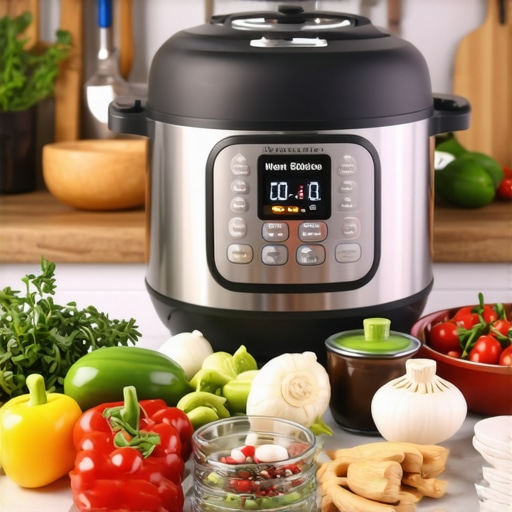
Start with fresh vegetables, quality cuts of meat, and pantry staples. For example, I once used soggy, wilted spinach because I was in a rush, and it affected the flavor. Instead, I learned to prep my ingredients ahead and choose vibrant produce, which enhances the taste and dish appearance. When shopping, consider ingredients that cook evenly and suit the cooking time of your recipe, ensuring consistent results. For tips on selecting optimal ingredients, visit master the art of one-pot meals with top multicooker tips to learn more about ingredient prep.
Many home cooks believe that all slow cookers, pressure cookers, and multicookers are interchangeable or that mastering them is straightforward. However, misconceptions abound, leading to common pitfalls that can ruin what could otherwise be delicious, effortless meals. One prevalent myth is that a slow cooker is only suitable for hearty stews and nothing else. In reality, advanced techniques, such as layering ingredients strategically and understanding heat distribution, can elevate slow cooker dishes to restaurant quality. For example, using a searing function before slow cooking can deepen flavors significantly. To explore such nuanced strategies, check out this comprehensive guide.
Another misconception centers around pressure cooker safety and the myth that they are too risky for everyday use. Modern electric pressure cookers incorporate multiple safety features, but improper use remains a common mistake. Forgetting to release pressure correctly or overfilling can cause food explosions or damage to the appliance. The ‘Oops’ factor here is real—ensure you understand your device’s features and follow manufacturer instructions meticulously. For detailed safety tips, visit these expert recommendations.
What about the advanced user questioning the real benefits of multi-functionality in a multicooker? Many assume that trying to utilize every feature is necessary for best results, yet overcomplicating settings can lead to confusion or inconsistent outcomes. Instead, mastering core functions—pressure, slow cook, sauté—and knowing when to switch between them can optimize your cooking. This strategic approach not only saves time but also preserves the appliance’s longevity. To refine your skills, explore this expert advice.
Make no mistake—each appliance has built-in nuances that, if misunderstood, hinder your culinary success. For example, many overlook the importance of preheating or the impact of ingredient sizes on cooking times. Small mistakes here, like adding ingredients prematurely or ignoring recommended quantities, can lead to undercooked or overcooked dishes. Being aware of these subtle but critical details distinguishes an amateur from a seasoned home chef. Scientific studies, such as those published in the Journal of Food Engineering, confirm that precise process control dramatically enhances meal quality in automated appliances. For an in-depth dive into these sophisticated points, see this detailed article.
Have you ever fallen into this trap of oversimplification? Let me know in the comments—mastering these nuances can truly transform your approach to one-pot cooking.
Keeping Your Kitchen Workhorses in Top Shape
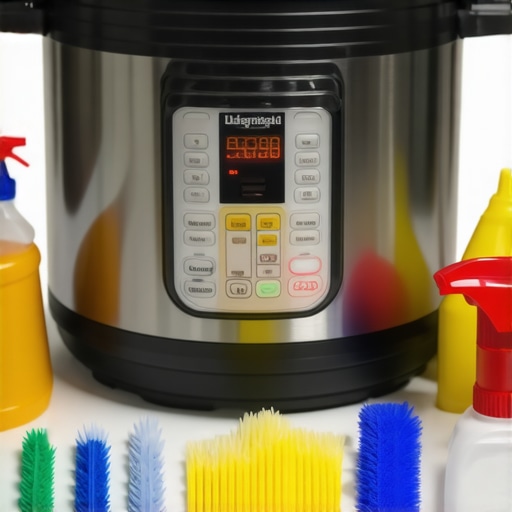
To ensure your slow cooker, pressure cooker, or multicooker keeps delivering delicious results for years, regular maintenance is key. I personally dedicate a few minutes each month to cleaning and inspecting my appliances, preventing buildup and addressing minor issues before they escalate. For instance, I use a soft cloth and gentle soap to wipe down the inner lid and sealing ring, which are prone to accumulating food residues. Checking the pressure release valves regularly is also crucial—ensure they move smoothly and are free of debris. This comprehensive guide offers detailed advice on upkeep, highlighting that neglecting the seals or vents can compromise safety and performance.
What Tools Do I Use to Keep Things Running Smoothly?
I recommend investing in a few specific tools to make maintenance simpler. A small brush, like a toothbrush, is perfect for cleaning tight corners and valves. Silicone spatulas are invaluable for scraping residual food from the cooking pot without scratching non-stick surfaces. For deep cleaning, I rely on a mixture of vinegar and baking soda—it’s inexpensive and highly effective at removing mineral deposits and odors. Additionally, having a digital thermometer helps verify that your appliance heats evenly, which is especially useful when troubleshooting uneven cooking results.
Future of Appliance Care: What’s on the Horizon?
Looking ahead, I predict smart appliances with self-diagnostic features will become standard, alerting us when maintenance is needed or parts are wearing out. Advances in sensor technology could allow multicookers to monitor internal components and even suggest cleaning routines automatically. This evolution will make long-term upkeep more intuitive and less time-consuming, empowering home cooks to maintain their devices effortlessly. For now, though, a consistent manual maintenance routine remains the best practice.
How do I maintain my appliances over time to ensure longevity?
Beyond routine cleaning, replacing parts like sealing rings and valves annually can extend the life of your cooker. Proper storage—keeping the lid slightly ajar—prevents odors and mold growth. Reading your appliance’s manual for specific care instructions also helps avoid voiding warranties or damaging delicate components. Incorporating these habits ensures your multicooker stays reliable, safe, and ready for your next culinary adventure.
For expert tips on troubleshooting and detailed maintenance routines, check out this article. Don’t forget to try the cleaning tip using vinegar and baking soda—it’s a simple yet effective way to keep your appliance in peak condition and prevent future issues. Regular upkeep not only safeguards your investment but also guarantees the best tasting, consistently perfect dishes every time.
Reading this guide really resonated with me, especially the part about mastering core functions like pressure and slow cook. I used to think I had to use every feature on my multicooker to get good results, but I found that sticking to a few basics actually made my cooking more consistent and less overwhelming. The tip about preheating and ingredient size adjustments is also so true—I’ve had my fair share of undercooked soups! I love how the post emphasizes regular maintenance because, in my experience, a well-kept appliance makes all the difference in meal quality. One thing I’ve started doing is replacing the sealing ring every year; it keeps the pressure consistent and prevents odors. Has anyone experimented with combining searing and slow cooking for deeper flavors? I’ve found that initial browning really elevates the taste of stews and roasts. Would be interesting to hear how others incorporate different techniques for restaurant-style results in their home kitchens.
I completely relate to the idea of streamlining dinner prep with a multicooker. It really is a game-changer, especially when you’re balancing busy schedules. I’ve found that experimenting with the sauté function before switching to slow cook mode really adds depth to my dishes, like stews and sauces. It’s such an easy way to build flavor without extra pots or pans. I also agree with the importance of ingredient prep—using fresh, vibrant produce really does make a difference in taste and presentation.
Regarding maintenance, I’ve made it a routine to clean the pressure release valves weekly to keep everything functioning smoothly. Has anyone tried more advanced techniques like layering ingredients at different stages? I’d love to hear some creative ideas on how to optimize the use of different functions for restaurant-quality results in our home kitchens.