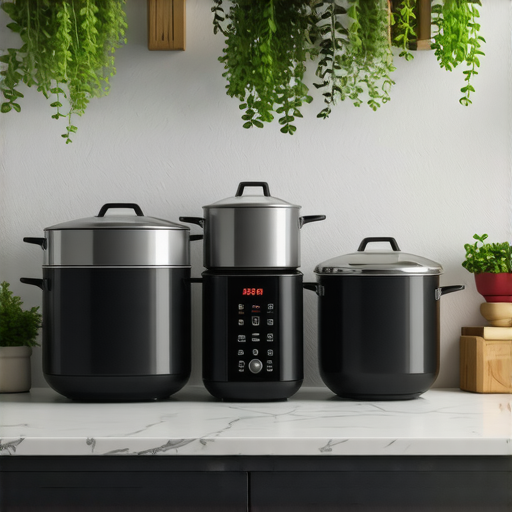
Have you ever stood in front of your slow cooker or instant pot, feeling completely overwhelmed by the sheer number of recipes promising quick meals, only to realize most rely heavily on cans of soup? I remember the first time I tried to whip up a new dinner and ended up with a bland, over-salted mess because I followed a popular recipe that used canned cream of mushroom soup—and I felt like I was just throwing flavor away. It was a lightbulb moment for me. I thought, “There has to be a better way to make wholesome, flavorful one-pot meals without relying on processed ingredients.”
Since then, I’ve been on a mission to develop simple, tasty recipes that not only save time and dishes but also elevate home cooking—minus the canned soup. And let me tell you, the evolution of my menu has been a game-changer, especially as 2026 approaches with its prevailing focus on fresh, honest ingredients. The good news? You don’t need to be a culinary wizard to do this. Today, I promise to show you how to craft five delicious, nutritious one-pot meals that forgo canned soup altogether. Whether you’re a beginner or a seasoned pro, these dishes are simple, flexible, and perfect for busy weeknights or meal prep days.
Why Canned Soup Is Holding Your Meals Back
Before we dive into the solutions, let’s talk about why canned soup recipes might be sabotaging your meals—and what to do instead. Canned soups are tempting because they’re convenient. But they often come with hidden pitfalls: high sodium, preservatives, and a lack of fresh flavor. Plus, relying on them can make your dishes feel bland or overly processed. Early on, I made the mistake of assuming that canned cream-of-anything was a shortcut to comfort food, only to find my dishes lacked depth and freshness. I learned that swapping canned ingredients for real, fresh components doesn’t just improve taste—it also boosts nutrition. If you want to keep your dishes bright, vibrant, and healthy, it’s time to ditch those cans and lean into real cooking techniques.
For practical tips on mastering your multicooker or pressure cooker without resorting to shortcuts, check out this comprehensive guide. It offers valuable advice on getting the most flavor out of your appliances, ensuring that your culinary efforts pay off every time. Ready to see how you can make sensational meals without canned soup? Let’s jump into the first recipe idea that will change your weeknight dinners forever!
Is It Worth Giving Up Canned Soup Forever?
It’s a valid concern—many wonder if giving up canned soup is just adding unnecessary complexity. I’ll admit, I hesitated for a while, worried I’d spend hours on everyday meals. But early mistakes taught me that shortcuts aren’t always the answer. Instead, understanding how to create rich flavors with fresh ingredients or natural broths makes all the difference. Plus, with modern appliances like multicookers, you can achieve amazing results quickly and effortlessly. If you’re skeptical, remember that many experienced cooks started with simple swaps and discovered a world of taste they never knew existed. To avoid common pitfalls, like underseasoned or bland dishes, be sure to read up on expert tips at this ultimate pressure cooker guide. Let’s explore the delicious possibilities waiting for you—without a single can of soup.
Choose Fresh, Flavorful Broths
Start by swapping canned soup with homemade or store-bought broth. I once experimented with a homemade chicken broth, simmering bones and vegetables for an hour, which transformed my dish into a rich, comforting meal. Using a good quality broth adds depth without extra salt or preservatives. A quick tip is to keep a stash of homemade broth in the freezer for instant use instead of relying on canned options.
Build Layers of Flavor with Sautéing
Before pressure-cooking or slow-cooking, sauté aromatics like onions, garlic, and spices directly in your appliance’s sauté function. For example, I once made a beef stew where sautéing onions and carrots first developed a natural sweetness and aroma, eliminating the need for any canned base. It’s like building a house — the flavor starts with a solid foundation, so don’t skip this step.
Use Whole, Unprocessed Ingredients
Cut fresh vegetables and proteins into uniform pieces. When I prepared a chicken and vegetable medley, I used fresh peppers, zucchini, and chicken thighs, which cooked evenly and absorbed the flavors beautifully. Whole ingredients tend to release their flavors more naturally, creating a symphony of tastes instead of the flat taste canned goods often provide.
Layer Seasonings Thoughtfully
Instead of adding salt, canned soups often contain hidden sodium, masking the need for seasoning. I prefer adding herbs, spices, and acid (like lemon juice or vinegar) in stages: start with a pinch, taste, then adjust. For example, when making a lentil dal, I add turmeric and cumin early, then balance acidity at the end. This approach ensures vibrant flavors without excess salt or preservatives.
Master Cooking Times and Pressure Release
Getting your timing right ensures ingredients are tender and flavors meld. I once overcooked a stew and ended up with mushy vegetables—lesson learned: use the quick release feature on your pressure cooker after the timer ends to stop cooking immediately. For pressure cookers, consult these tips for precision timing. Proper timing preserves texture and flavor, making dishes taste homemade rather than reheated cans.

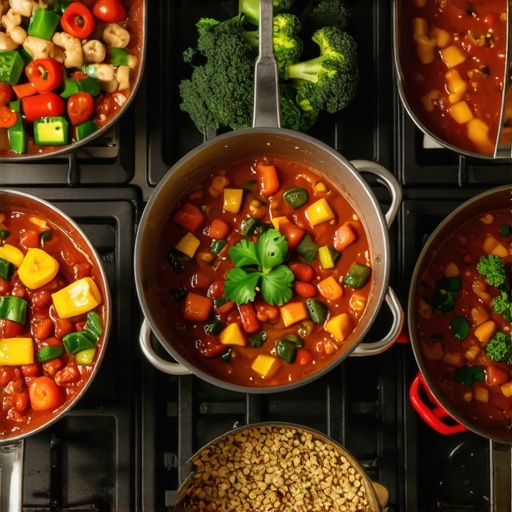
Visualize perfect, vibrant dishes with fresh ingredients and careful technique, like this colorful chicken and vegetable stew.
Finish with Fresh Herbs and Acid
Towards the end, adding fresh herbs or a splash of lemon brightens the dish, making it pop. I often sprinkle chopped cilantro or parsley before serving, which transforms the final taste and makes the meal feel lively and fresh—something canned soup can’t replicate. Remember, finishing touches matter just as much as the main ingredients in elevating your one-pot creations.
Many home cooks assume that mastering their multicooker or pressure cooker is just a matter of setting it and forgetting it. However, even seasoned users often get tangled in misconceptions about what these appliances can—and can’t—do effectively. For example, a common myth is that pressure cookers automatically handle all ingredients perfectly without adjustments; in reality, understanding the nuances of timing and sealing is critical to avoid overcooked vegetables or undercooked proteins. Additionally, many believe that slow cookers are only for tough cuts of meat, but the real skill lies in knowing how different cuts and ingredients respond to long, gentle cooking, which can vary widely and affect texture significantly. These misconceptions can lead to disappointments, like dishes coming out mushy or flavorless, especially if you don’t consider variables such as ingredient size, moisture levels, or seasoning timing. I’ve seen many fall into the trap of over-relying on default settings, neglecting the importance of manual adjustments to optimize results. For instance, some users skip the step of pre-sauteing aromatics or fret over reducing liquids, but these small tweaks make a big difference in flavor development and texture. According to culinary scientist Dr. Harold McGee, mastering the fine details of heat, moisture, and timing transforms simple appliances into tools for creating gourmet-quality dishes. Are you aware of how even minor adjustments can elevate your one-pot meals? If not, you might be missing out on culinary breakthroughs.
Wait—let’s consider a question many advanced cooks ask: How does one perfect pressure release to preserve delicate ingredients? For the most refined results, knowing when to quick release versus natural release is essential to prevent overcooking or mushiness, especially with seafood or vegetables. A misstep here can mean ruined textures or flavor loss, turning an elegant dish into a disappointment. For in-depth strategies on this, check out this expert guide.
So, are you leveraging the full potential of your multicooker or instant pot? Remember, understanding these subtle details can be the difference between a so-so meal and a culinary masterpiece. Have you ever fallen into this trap? Let me know in the comments.
How do I keep my appliances running smoothly over time?
Proper maintenance is key to ensuring your multicooker, pressure cooker, or slow cooker continues to deliver delicious meals without fuss. I personally rely on a few specific tools and habits that keep my appliances in top shape. First, I always keep a soft-bristled brush or a silicone scrubber handy for regular cleaning of the interior and sealing ring, which can accumulate residue over time. This prevents build-up that might cause odors or impair sealing performance. For stubborn stains or burnt-on food, I recommend using a mixture of baking soda and vinegar, applying it gently with your brush. Additionally, I invest in a high-quality silicone sealing ring replacement—preferring ones with durable, heat-resistant material—to ensure optimal pressure retention. Regularly inspecting and replacing these rings, roughly every 12-18 months, significantly extends the life of your device.
Beyond routine cleaning, I also use a digital thermometer to monitor the internal temperature during cooking, which helps me ensure safety and consistency, especially when cooking meats or seafood. Keeping the appliance’s vents and pressure release mechanisms clean and free of debris prevents malfunctions like slow pressure buildup or unintended release. For completeness, I also keep a dedicated cloth or microfiber towel nearby to wipe down control panels and exterior surfaces, preserving the device’s appearance and preventing dust or grease buildup.
The trend in appliance maintenance is moving towards smart diagnostics. Some newer models feature integrated sensors that detect blockages or sealing issues and alert you via app notifications. For now, manual checks remain essential, but I foresee these technological advances becoming standard in the near future.
From my experience, incorporating these simple tools and habits ensures prolonged appliance life and reliable performance. If you want to dig deeper into appliance longevity, check out this detailed guide. Don’t neglect maintenance—your taste buds will thank you for it!
Ready to take your appliance care to the next level? Try scheduling a monthly deep clean with baking soda and vinegar, and see how smoothly your cooker operates afterward.
The Hardest Lesson I Learned About multicooker,instant cooker,pressure cooker,slow cooker,one pot meals
The most profound realization came when I finally understood that shortcuts like canned soup might save time but compromise flavor and nutrition. I once believed that a quick can of condensed mushroom soup was all I needed, only to end up with dull, overly salty dishes. That lightbulb moment pushed me to embrace fresh ingredients and smarter techniques, transforming my cooking from mundane to memorable.
My Essential Toolkit for Elevating Your Cooking
To truly excel, I trust tools like a good-quality silicone sealing ring, a digital thermometer, and a steadfast immersion blender. These may seem simple, but they’re game-changers in maintaining appliance longevity and achieving perfect textures—especially when preparing complex recipes that rely on precise timing and temperature. For deeper insights into appliance maintenance, check out this comprehensive guide.
Let Your Passion Drive Your Kitchen
Cooking should be an act of love rather than a chore. Developing the confidence to avoid canned ingredients opens up a world of vibrant flavors and healthier options. Imagine the satisfaction of watching a simple vegetable medley simmer to perfection, enriched by homemade broth and layered seasonings. This journey from reliance on processed foods to embracing fresh, wholesome ingredients is truly rewarding, and I invite you to take that step today.
How Will You Reinvent Your Recipes?
Are you ready to ditch canned soup and unlock a new level of culinary satisfaction? Start small—try substituting store-bought broth or sautéing aromatics—then progress to mastering timing and seasoning layers. Remember, every effort you invest yields tastier, healthier, and more satisfying meals. Now, I’d love to hear from you: Have you ever struggled with perfecting your pressure release or keeping veggies crisp? Share your stories below, and let’s learn together.