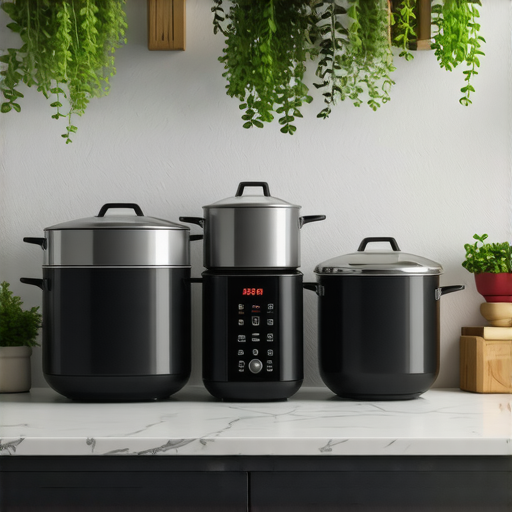
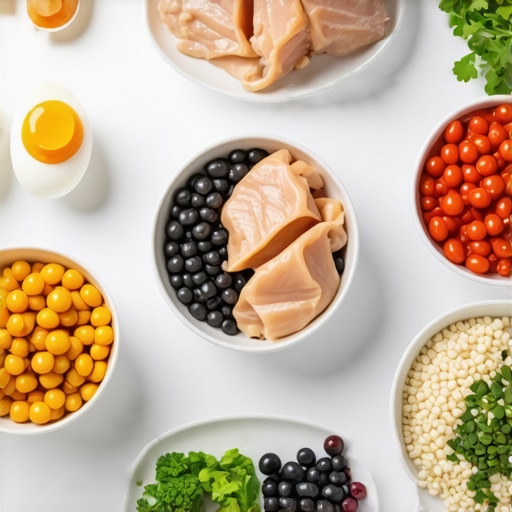
I remember the exact moment I realized my meal prep routine was more headache than help. It was a Sunday afternoon, and I was struggling to get my slow cooker to cooperate—meat was rubbery, vegetables soggy, and I was already running late for my gym session. Frustration bubbled up, and I wondered if I’d ever find a way to make healthy, high-protein meals without spending hours in the kitchen or breaking the bank. That lightbulb moment sparked my journey into discovering simple, cost-effective one-pot protein recipes tailored for busy fitness enthusiasts like you and me.
Simplify Your Meal Prep with Budget-Friendly Protein Powerhouses
What if I told you that achieving your 2026 gym goals doesn’t require expensive cuts of steak or fancy ingredients? Instead, it’s about mastering the art of affordable, easy-to-make proteins using just a single pot. Over the years, I’ve tested countless recipes, and I’ve learned how to turn humble ingredients into nutrient-dense meals that fuel your workouts and save you time. Whether you’re using a pressure cooker, slow cooker, or multicooker, there are proven techniques to maximize flavor and texture without overspending. And trust me, this approach cuts down your cooking stress significantly—saving hours each week and reducing cleanup to mere minutes.
Have you ever faced the heart-sinking disappointment of a meal gone wrong because of lack of experience orwrong technique? You’re not alone. Early on, I made the mistake of overloading my slow cooker, assuming more ingredients would make richer flavors. Instead, it resulted in mushy vegetables and dry meat. That taught me a vital lesson: understanding your appliance and the basics of one-pot cooking can make all the difference. If you’ve been battling dry chicken or tasteless meat, I can help you avoid these pitfalls with tips from my own kitchen triumphs and failures.
According to recent research, meal prep with slow or pressure cookers can significantly improve dietary adherence, which is crucial for reaching your fitness goals (source: NCBI). This makes mastering a handful of budget-friendly, one-pot protein recipes not just convenient, but essential for anyone chasing those #2026 gym dreams without breaking the bank.
Now, are you ready to stop feeling overwhelmed by meal prep and start making tasty, nutritious proteins effortlessly? Let’s dive into the practical steps and recipes that will transform your cooking routine—because achieving those gym goals should be as straightforward as hitting the gym itself.
Choose the Right Equipment for Seamless Cooking
Start by selecting a multicooker or pressure cooker that fits your needs. Think of your appliance as an extension of your kitchen toolkit—like a reliable Swiss Army knife. If you’re unsure, check if it has the AI sensor lid feature, which ensures consistent results and reduces your guesswork. For instance, when I first tried an AI-equipped multicooker, I avoided the common burn error by simply following the prompts, saving me from disappointing mushy rice and scorched meat. To know more about this feature, read about whether the 2026 AI sensor lid is worth it.
Prep Ingredients Efficiently
Gather affordable protein sources like chicken thighs, turkey, or canned beans. Cut your meat into even chunks for uniform cooking—this simple step prevents dry or undercooked sections. If you’re working with tougher cuts, consider searing or browning them first, which enhances flavor and tenderness. I vividly remember experimenting with searing beef in my multicooker; the sizzle created rich flavors, and after cooking, the meat was tender without the need for long simmering. To improve your searing technique, explore tips for searing meat without errors.
Implement Cooking Techniques That Save Time and Preserve Texture
Use layered cooking methods: start with sautéing aromatics, then add proteins and liquids. For dense cuts, pressure cooking can slash cooking times drastically. When I cooked chicken in the pressure cooker, I used the natural release method to keep the meat juicy—no more dry, chewy chicken. Remember, overfilling your pot hampers heat circulation—stay within the max fill line, like a pro. For tips on preserving vegetables and preventing mushiness, see how to keep slow cooker vegetables crisp.
Adjust Liquids for Optimal Results
Fat and moisture are vital for tender protein. For example, adding a splash of broth or a drizzle of oil prevents sticking and enhances flavor. A mistake I made early on was using too much water, which made the final dish watery and bland. Now, I follow the 2026 rule: use just enough liquid to cover ingredients, approximately a 1:1 ratio for rice or grains, while lean proteins like chicken need a little more to stay moist. For precise water-to-grain ratios, consult this cheat sheet.
Harness the Power of Proper Rest and Venting
Let cooked meat rest for at least 5 minutes before slicing; this redistributes juices and prevents dryness. When using a pressure cooker, release pressure carefully—quick or natural release depends on the recipe. I learned that quick releases can sometimes lead to tough meat if not done properly; so, for delicate proteins, a natural release is better. For safety and optimal sealing, check signs your pressure cooker seal is failing. Proper venting also prevents excess steam, ensuring a clean, safe cooking environment.
Finish with Flavor-Boosting Tips
Once cooking completes, consider adding fresh herbs, lemon juice, or a splash of soy sauce to elevate flavors. My go-to move after pressure-cooking chicken is a quick sprinkle of paprika and a squeeze of lemon—I swear it transformed the dish. Don’t forget to taste and adjust seasoning when the cooking cycle ends, ensuring your protein packs a punch. For a quick guide on avoiding blandness, see simple fixes for bland slow-cooker beef.
Many home cooks believe that pressure cookers and multicookers are just simple appliances that save time, but in reality, there’s a lot more nuance that can make or break your meal. For instance, a prevalent misconception is that all pressure cookers are created equal; however, modern models feature advanced sensors and safety mechanisms—yet many users neglect reading the manual to fully leverage these features. This oversight can lead to common mistakes like overfilling or improper sealing, which results in failed dishes or safety hazards. Understanding the specific capabilities of your appliance, such as whether it has the AI sensor lid, can help you avoid these pitfalls
Another misconception is that slow cookers always produce tender, flavorful meat, but in my experience, the timing and temperature settings are critical. Too often, people think longer cook times compensate for low heat, but slow cooking can toughen certain cuts if not done correctly. For example, searing meat before slow cooking can dramatically improve tenderness and flavor—something many overlook
Moreover, there’s a belief that one-pot meals are inherently bland or overcooked, yet with proper liquid ratios and cooking techniques, you can achieve rich, balanced flavors consistently. The key lies in understanding how to adjust liquids, especially for grains or vegetables, which are prone to mushiness if overcooked. Using layered methods, like sautéing aromatics first and then pressure cooking proteins, preserves texture and taste
For advanced cooks, a noteworthy question is: How do the different pressure release methods influence meal results? Quick-release can sometimes lead to tough meat or overexpanded dishes, whereas natural release allows residual heat to gently finish the cooking, preserving moisture. Experts suggest matching your release method to the recipe—slowly releasing pressure for delicate proteins, and quick-release for foods like rice or vegetables that risk overcooking
It’s also worth noting that many users underestimate the importance of maintaining the gasket and venting systems. A poorly sealed or clogged valve can cause pressure issues, clogging the safety features and causing the cooker to malfunction
In conclusion, mastering your pressure or multicooker involves more than just the push of a button. It’s about understanding the advanced features, appropriate techniques, and nuanced decisions that elevate your meals from ordinary to outstanding. Have you ever fallen into this trap? Let me know in the comments.
Tools I Rely On for Reliable Cooking
Investing in quality tools is essential to ensure your pressure cooker, slow cooker, or multicooker performs consistently over time. I personally prefer models with advanced safety features like a well-designed sealing gasket and multiple pressure release options. For example, my go-to multicooker is the 2026 AI sensor lid multicooker, which offers automatic pressure regulation and safety sensors that prevent common issues like over-pressurizing. Using reliable tools minimizes breakdowns and keeps your meals predictable and safe, making your cooking experience more enjoyable and stress-free.
How Do I Maintain My Equipment Over Time?
Regular maintenance is key. Always clean the gasket and safety valves after each use to prevent buildup that can hinder seal performance. Periodically, inspect the pressure valve for debris or damage, replacing it if necessary. For deep cleaning, a mixture of vinegar and baking soda can dissolve mineral deposits that accumulate over time—see this guide for detailed steps. Additionally, check all seals periodically and replace worn gaskets promptly; a faulty gasket can cause pressure leaks, leading to inefficient cooking or safety hazards.
Optimize Long-Term Results with Routine Checks
Consistent upkeep ensures your appliances deliver perfectly cooked meals every time. Using tools with durability in mind—like high-temperature resistance gaskets and corrosion-proof valves—can extend the lifespan significantly. In my experience, maintaining my pressure cooker every three to six months, depending on frequency of use, keeps it functioning like new. Implementing a simple maintenance routine not only prolongs your appliance’s life but also prevents unexpected failures that could ruin your meal prep plans or pose safety risks.
What’s Next for Pressure and Multicooker Care?
As technology advances, newer models will likely incorporate self-cleaning features or smart diagnostics to simplify maintenance. I predict that future appliances will offer automated calibration checks and remote diagnostics, reducing the time you spend troubleshooting issues. Until then, sticking to regular manual inspections and cleaning routines remains your best bet for reliable performance.
Don’t forget to try the tip of cleaning your gasket with vinegar solution every few months—it’s a quick way to prevent leaks and keep your cooker sealing perfectly. Mastering these maintenance steps will save you time and money in the long run, ensuring your investment continues to serve up delicious, nutritious meals effortlessly.
When Simplicity Became My Teacher
One of the most eye-opening lessons I learned was that sometimes, overcomplicating a recipe or technique can sabotage your efforts to create tender, flavorful proteins. I used to believe that more ingredients or longer cooking times meant better meals, but I discovered that understanding how your specific pressure cooker functions—like its release valve or the way it retains heat—can make a world of difference. My early attempts to rush the process often resulted in tough meat or mushy vegetables, which taught me patience and precision matter more than quantity or duration.
Counting on Tools Without Knowing Them
I relied heavily on my multicooker’s features before truly understanding their potential, which sometimes led to errors like overfilling or misusing the release buttons. I realized that reading the manual thoroughly and experimenting with small test runs could unlock hidden capabilities—like use of the AI sensor lid that can prevent common mistakes such as burn errors or uneven cooking. This close engagement with my appliance taught me that confidence in your tools is built through knowledge, not assumptions.
Forgetting to Adjust Liquids
Early in my journey, I would toss ingredients and liquids into the pot without considering their ratios, often ending with either dry, overcooked meat or watery stews. I then learned that adjusting liquids based on ingredient density and desired texture—such as following the 2026 water-to-grain ratio cheat sheet—leads to consistent results. Recognizing that each ingredient has unique moisture needs helped me craft meals that are both flavorful and perfectly tender, transforming my approach from guesswork to science.
Assuming All Recipes Need the Same Technique
Believing that meat always benefits from the same cooking time and pressure level was a mistake I made often. Flexibility, like switching between quick pressure release for delicate proteins or natural release for tougher cuts, was a revelation. For instance, I found that searing beef before pressure cooking and allowing it to rest afterward preserves juiciness—a simple change that elevated my meals significantly. This taught me that tailoring techniques to each protein and recipe yields truly satisfying results.
The Power of Listening to My Cooker
Ignoring the subtle sounds and signals of my pressure cooker led to mishaps—sometimes overpressure or incomplete seals. Once I started paying attention to the hissing, beeping, or even the slight temperature variations, I could troubleshoot and prevent issues proactively. Regular maintenance, like inspecting gaskets and valves, coupled with attentive listening, became the secret to consistent success in my cooking routine. It’s remarkable how much more confident I became when I trusted my equipment—and myself.
Resources That Turned My Kitchen Around
Over the years, I turned to trusted resources that demystified pressure cooker mastery. The Ultimate Guide to Multicooker One-Pot Dinners became my go-to for understanding how to layer flavors effectively. Books like “The Electric Pressure Cooker Cookbook” opened my eyes to diverse recipes that suited my busy lifestyle. Additionally, expert blogs and forums became invaluable for troubleshooting and sharing experience—knowledge that I deeply trust because it’s rooted in real-world hands-on success. These sources helped me develop a nuanced appreciation for my multicooker, transforming how I view quick, high-protein meals.
Seize the Moment: Your Pressure Cooking Journey Awaits
Remember, every mistake is just a stepping stone towards culinary expertise. Whether you’re just starting or looking to refine your skills, embracing the learning curve with patience and curiosity will unlock the full potential of your pressure cooker. Imagine the satisfaction of pulling out a perfectly cooked, protein-packed meal after a busy day—every effort worth the result. Keep experimenting, and don’t be afraid to rely on trusted resources and your intuition. The future of your pressure cooker cooking is bright, tasty, and less stressful than ever before.
What lesson about pressure cooker techniques surprised you the most? Share your story below—I’d love to hear how your journey is unfolding!
,