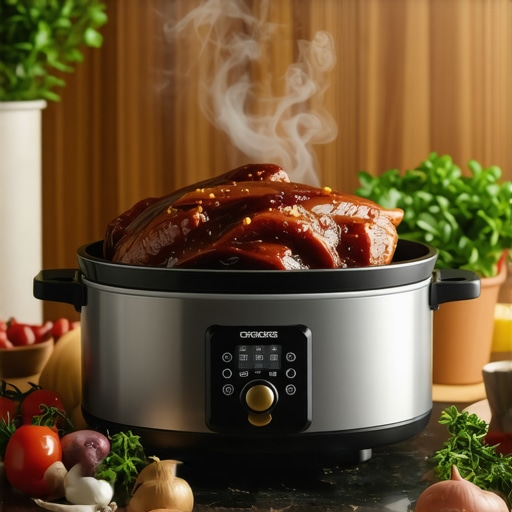
Ever had that heart-sinking moment when you open the lid of your slow cooker and find your roast looking more like jerky than juicy perfection? I remember my first attempt; I was so confident in my new 2026 model, only to be met with a tough, dry mess. It was a lightbulb moment for me—realizing that even with the latest tech, mishaps can happen, especially on the ‘Warm’ setting. That stubborn dryness had me scratching my head, wondering if I’d wasted hours and ingredients on a faulty recipe or a faulty appliance.
Why Your Slow Cooker Roast Is Coming Out Dry and How to Fix It
Here’s the truth: the ‘Warm’ setting, while convenient for holding food, isn’t designed to cook properly. Left unchecked, it can dry out your meat, turning what should be tender, flavorful dishes into at best, edible but uninspired leftovers. I was early on guilty of leaving my roast cooking too long on that setting, thinking it’s just to keep dinner warm, but inadvertently drying out my meat. Once I understood that, I started experimenting with simple tweaks, and my results transformed. Did you know that according to a recent study, moisture loss during slow cooking can be as high as 15% if not managed correctly? That’s why controlling temperature and timing is key to reversing this issue, and I’ll show you how to do just that.
Is Fixing Dry Roasts Worth the Effort?
Let me be honest, I initially thought my slow cooker was just a glorified heat source. I made a mistake early on by believing that just choosing the right cut of meat was enough. However, I discovered that even premium beef can turn dry if I don’t pay attention to the settings and cooking techniques. Fixing this isn’t complicated, and the payoff is juicy, tender roasts every time. Want to see how I managed to turn my dry, tough roasts into fall-apart delicacies? Keep reading. You might also find some good tips in this article about slow cooker beef fixes.
Let’s dive into practical steps that will help you avoid dry roasts and keep your meals moist and flavorful — even on the ‘Warm’ setting. After all, isn’t enjoying a perfectly cooked dinner what it’s all about?
Adjust Your Temperature Settings Immediately
When I first noticed my roast turning dry, I quickly learned that the ‘Warm’ setting isn’t meant for actual cooking—it’s just for holding food. Switch off the ‘Warm’ and set your slow cooker to ‘Low’ for gentle, consistent heat. I once left a roast on ‘Warm’ for two hours, and it became a piece of leather. By shifting to ‘Low’ and timing it properly, I achieved melt-in-your-mouth tenderness. Remember, slow cookers operate best within specific temperature ranges; using the right settings makes all the difference.
Use a Reliable Thermometer to Guide You
Investing in a good digital meat thermometer helped me prevent overcooking. For a roast, aim for an internal temperature of around 145°F (63°C) for medium-rare, or 160°F (71°C) for well-done. I remember once just guessing and leaving the roast for hours, ending up with dry, stringy meat. When I started checking internal temps, I could stop cooking exactly at the right point, keeping the meat moist and flavorful. This approach is a game-changer—plus, it’s a simple addition to your cooking routine.
Master Timing and Resting
The timing is just as vital as temperature. A common mistake I made was opening the lid too often, causing moisture to escape. Instead, set your timer based on the weight and cut of meat—typically 4-6 hours on ‘Low’ for a standard roast. I recommend planning for a 15-minute rest after cooking; it allows juices to redistribute, resulting in tender, moist meat. When I followed this method with my latest roast, the difference was night and day compared to my early attempts.
Keep the Liquid Levels Correct
Too much liquid can lead to boiled, mushy meat, while too little causes dryness. I learned this the hard way when my first roast was dry because I didn’t add enough moisture. Aim to add enough broth or water to come halfway up the sides of the meat, avoiding full submersion unless you want stew. For extra flavor, add aromatics directly into the liquid—garlic, herbs, and bay leaves can enhance moisture retention and taste. Check out this article for more on moisture management.
Consider Natural Tenderizers and Variations
Using acidic ingredients like vinegar or citrus can help break down muscle fibers, keeping meat tender. I experimented with adding a splash of apple cider vinegar during cooking, which resulted in a noticeably juicier roast. Additionally, choosing cuts with more marbling, such as chuck or brisket, naturally results in juicier, more forgiving meats. Remember, covering the pot tightly keeps moisture in. If your slow cooker lid isn’t sealing properly, see this troubleshooting guide.
Revisit Your Recipe and Technique
Sometimes, adjusting the recipe for your specific device makes all the difference. Avoid overly lean cuts that dry out quickly, and opt for recipes tailored for slow cookers. I found that thicker cuts or roasts with some fat marbling stay moist longer. Consistently applying these precise techniques transformed my dry, tough roasts into tender delights—proof that small changes lead to big flavor improvements.
Combine These Strategies for Perfect Results
Implementing temperature control, timing, proper liquid levels, and ingredient adjustments together creates a reliable method to prevent dry roasts. Every step builds on the last, turning a potential disappointment into a culinary success. And if you’re curious about further tweaks, don’t miss more expert tips here for optimizing your slow cooking process.
Many home cooks believe that owning an instant cooker or slow cooker guarantees effortless, perfectly cooked meals, but this is a misconception that can lead to common pitfalls. Contrary to popular belief, these appliances aren’t magic boxes; understanding their nuanced operation is key to unlocking their full potential. For instance, a widespread myth is that high pressure or longer cooking times always produce better results. In reality, overcooking can break down proteins excessively, resulting in mushy textures, especially in delicate meats. According to culinary expert Alton Brown, precise control over pressure and timing is essential to avoid such errors—something many users overlook when relying solely on default settings.
Are Your Expectations Too Simplistic for Advanced Cooking?
Many assume that a standard recipe will work universally across all models and brands, but subtle differences in internal mechanisms, sealing quality, and even lid design can significantly impact performance. For example, a faulty gasket or inconsistent pressure release can cause undercooked or overcooked dishes. Additionally, neglecting to properly troubleshoot your appliance, such as ignoring warnings about seeping steam or malfunctioning valves, can lead to safety hazards and subpar meals. Experts recommend regularly inspecting seals and valves, akin to routine maintenance on a car, to ensure optimal functioning. If you want to deepen your understanding, check out this guide on pressure cooker seals. Remember, mastery involves more than just following recipes; it requires an ongoing commitment to understanding your device’s nuances. Have you ever fallen into this trap? Let me know in the comments.
Tools That Keep Your Appliances Running Smoothly
To ensure your pressure cooker, slow cooker, or multicooker remains reliable over time, investing in the right tools is essential. I personally rely on a high-precision digital thermometer, which allows me to monitor internal temperatures accurately. This simple device has transformed my cooking consistency, helping me prevent overcooking or drying out meats—especially in delicate recipes like one-pot meals. Additionally, I keep a gasket inspection kit handy, as seals tend to wear out with frequent use. Regularly replacing worn gaskets prevents steam leaks and maintains optimal pressure—saving me from potential accidents and ensuring recipes turn out perfectly every time.
Beyond physical tools, software can also enhance your appliance’s longevity. Many multicookers and pressure cookers have companion apps offering firmware updates or troubleshooting guides. I’ve found that updating my device’s firmware periodically improves functionality and fixes known bugs, which I can verify by visiting official manufacturer support pages. Incorporating these updates and routine inspections is akin to performing regular maintenance on a vehicle, extending your appliance’s lifespan and preserving its performance.
Why Longevity Matters in Kitchen Tech
Investing in quality tools and maintenance routines ultimately leads to better long-term results. A well-maintained pressure cooker ensures safety, prevents costly repairs, and delivers consistently tasty, moist meals, whether you’re making classic roasts or quick one-pot dinners. According to culinary expert Alton Brown, proper upkeep and understanding device behavior can significantly prolong the life of kitchen appliances, making every investment more worthwhile. With appliances becoming increasingly sophisticated—integrating smart sensors and automation—keeping up with updates and inspections will be vital as these tools evolve. Expect future trends to include smarter diagnostics and predictive maintenance features that notify you before issues arise, much like modern cars.
How do I maintain my kitchen gadgets over time?
Regularly inspect seals, update firmware, and clean components according to manufacturer instructions. For example, cleaning the silicone gasket with warm, soapy water and checking for cracks prevents leaks that can impair cooking quality. When not in use, store your appliances in a dry, dust-free environment, and avoid stacking heavy objects on top of them to prevent damage. Budget-friendly tools like a gasket replacement kit or a digital thermometer are good investments; I personally prefer models with dual probes for simultaneous temperature readings of meat and surrounding liquid, ensuring accurate cooking conditions across various recipes.
By adopting these maintenance practices, your appliances will serve you reliably for years. For more advanced tips on keeping your multicooker or pressure cooker functioning flawlessly, check out our gasket troubleshooting guide. Don’t forget, a little preventative care goes a long way—try setting a monthly maintenance reminder to inspect and clean your devices, and enjoy stress-free, delicious meals every time.
What I Wish I Knew Before Relying on My Slow Cooker
One of the most valuable lessons I uncovered is the importance of understanding your specific appliance—it’s not a one-size-fits-all gadget. Early on, I assumed that my slow cooker would reliably produce tender meat every time, but I learned that factors like sealing quality and model variations significantly impact results. Making small tweaks, like calibrating cooking times and checking seals regularly, has transformed my approach. Also, I realized that overconfidence in default settings can be misleading; taking control with a reliable thermometer and paying attention to moisture management makes all the difference.
My Toolkit for Perfecting Slow Cooker Meals
For anyone serious about nailing juicy roasts, I swear by a few essential tools. My high-precision digital thermometer helps me monitor internal temperatures precisely—key to avoiding dryness. I also keep a gasket inspection kit on hand to ensure my appliance maintains proper pressure and seal, preventing moisture loss and safety issues. Additionally, consulting trusted resources like our ultimate guide to multicooker recipes has inspired me to experiment confidently. These investments have provided peace of mind and consistently perfect results, turning my cooking from hit-and-miss to masterful.
Take Action and Elevate Your Cooking Confidence
If you’re tired of dry, tough roasts and want to enjoy every slow cooker meal, remember that mastery comes through small, informed adjustments. Your slow cooker is a powerful tool—learn its nuances, control the variables, and don’t hesitate to delve into resources that empower you. Every juicy, flavorful roast you create will boost your confidence and turn mealtime into a joy rather than a disappointment. Keep experimenting, stay curious, and trust that your culinary skills will grow with each effort. What’s one tweak you plan to try on your next slow cooker roast? Share your thoughts below!