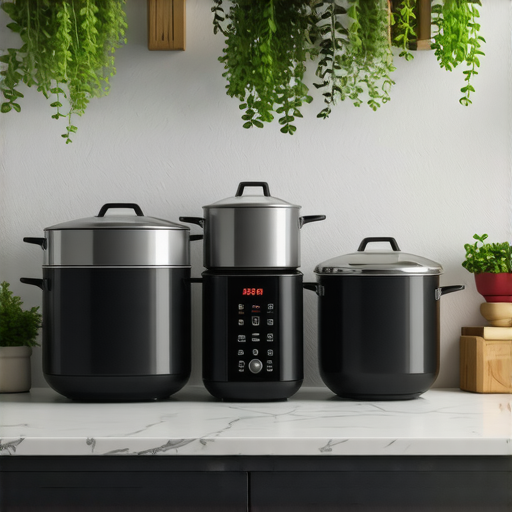
I remember the moment vividly—my favorite instant cooker started hissing louder than usual, steam escaping wildly, and I panicked. It was a typical Sunday, and I was eager to make a hearty stew before the family arrived. Instead, I found myself staring at a bubbling disaster, wondering if I had just cooked my last meal in that trusty appliance. If that sounds like you, you’re not alone. Many home cooks face the frustrating issue of a leaking seal, especially as these appliances age or get more use.
Why Seal Leaks Can Throw Your Kitchen Routine Into Chaos
Ever experienced that sinking feeling when your pressure cooker starts to hiss or spew steam? It’s more than just an annoyance—it’s a signal that something isn’t quite right. Seal leaks can compromise your cooking, lead to safety concerns, and waste precious ingredients and time. The good news? Most leaks aren’t a sign you need a whole new cooker. Sometimes, a simple, inexpensive fix can restore your appliance’s seal and get it back in action.
Does Fixing a Leaking Seal Really Save Money and Hassle?
I admit, when I first heard about quick fixes, I was skeptical. I worried it might be a complicated, expensive mess. Early on, I made the mistake of ignoring minor leaks, thinking they’d resolve on their own. But those leaks only worsened, leading to inconsistent cooking results and, frankly, a lot of stress. That’s when I discovered the “5-cent fix”—a tiny, inexpensive trick that can make a significant difference. Curious? I’ll walk you through it and share some expert tips so you can tackle this problem head-on, saving both your time and money.
Inspect the Seal Carefully
Start by unplugging your cooker and removing the lid. Carefully examine the rubber gasket or sealing ring for any visible damage, cracks, or debris that could prevent a proper seal. I once found a small piece of food trapped under mine, causing steam to escape. Clearing it up instantly fixed the leak.
Clean the Seal Thoroughly
Use warm soapy water and a soft cloth to scrub the gasket and gasket groove. Residue from spills or minerals can cause misalignment or leaks. After cleaning, dry all parts completely to ensure a tight fit. For stubborn grime, a vinegar solution works wonders—check out this guide for more cleaning tips.
Replace or Adjust the Gasket
If the seal appears damaged or deformed, replacing it is key. Order a compatible gasket online—it’s a small investment that can prevent costly repairs later. To install, remove the old gasket, then fit the new ring into the lid’s groove, ensuring it sits evenly all around. I did this on a rainy Sunday, and it restored my cooker’s seal, saving me from buying a new appliance.
Ensure Proper Lid Alignment
An improperly aligned lid can cause leaks even with a perfect gasket. Close the lid firmly, listening for the click or ensuring the latch is secure. Some models have alignment marks—use them. For stubborn lids that don’t seal, check out these tips to prevent seal issues.
Test the Pressure Release
Once everything is reassembled, test your cooker before cooking. Fill it with water, seal the lid, and set it to pressurize. Watch for leaks: if steam escapes from the gasket or lid edge, recheck the alignment and gasket fit. I recommend doing this test outside or in a well-ventilated space to avoid steam burns. For problematic valves or vents, see this troubleshooting guide.
Apply Lubricant if Necessary
In some cases, a tiny amount of silicone-based lubricant on the gasket enhances sealing effectiveness. Use sparingly—over-lubricating can attract dirt. I used this trick when my gasket was slightly sticky, and it improved the seal immediately. Avoid using petroleum-based lubricants, as they can damage the rubber over time.
Prevent Future Leaks
Regular maintenance prolongs gasket life and maintains a tight seal. Always clean the gasket after each use and inspect for damage before cooking. Store your cooker with the lid off or upside down to prevent the gasket from deforming. Remember, a well-maintained seal keeps your meals safe and your kitchen hassle-free. For more prolonged solutions, consider exploring this in-depth fix.
Many home cooks assume that mastering an instant or pressure cooker is straightforward, but there are nuanced pitfalls that even seasoned users often overlook. For example, a common misconception is that sealing the lid tightly is enough to ensure perfect cooking. In reality, subtle factors like gasket condition or proper lid alignment play a critical role in achieving consistent results. Neglecting these details can lead to under- or overcooked meals, or even safety hazards. Overestimating the simplicity of these appliances is a trap; advanced cooks know that understanding the specific mechanics—like the importance of venting procedures—can drastically improve outcomes. Interestingly, a study by culinary science experts highlights how pressure regulation impacts nutrient retention and flavor extraction, illustrating that novice assumptions might undermine potential benefits. So, what most people get wrong is assuming one-size-fits-all approaches work with such sophisticated tools—each model demands attention to its unique features. A typical mistake is using too much liquid, thinking it will make food more tender; however, excess water can result in soggy textures or dilute flavors. Instead, proper ratios and familiarity with your cooker’s idiosyncrasies—such as adjusting for different recipes—are essential. Are you aware that some issues are related to pressure release methods? For instance, releasing pressure too quickly can cause tough meats or collapsed dishes, which is contrary to common advice. For advanced users, mastering the reverse sear technique or understanding the significance of the pulse pressure setting can make a huge difference. These nuanced adjustments are often overlooked but can elevate your cooking from good to exceptional. I recommend regularly inspecting your gasket, ensuring it’s clean and pliable, which can prevent leaks that compromise both safety and cooking quality. Remember, the devil is in the details. Maintaining your appliance properly and understanding the specific settings can save you time and frustration in the kitchen. Curious about additional tips? Check out detailed guides on fixing common issues, such as pressure cooker seal fixes or venting techniques. For the well-informed cook, mastering these hidden nuances unlocks the full potential of your appliance, leading to better meals and safer, more reliable cooking experiences.
Tools That Keep Your Cooker in Top Shape
Investing in the right tools is crucial for effective maintenance. I rely heavily on a high-quality silicone gasket lubricant, which I apply every few months to maintain a perfect seal and prevent leaks. Additionally, a soft-bristled brush helps me clean the gasket groove thoroughly, avoiding buildup that can cause malfunctions. For more stubborn residue, I use a vinegar solution, ensuring my cooker stays odor-free and functions smoothly. Another essential item is a digital thermometer to monitor pressure levels during calibration tests, ensuring your appliance maintains correct pressure for safe and efficient cooking.
Embracing Advanced Methods for Longevity
Beyond basic cleaning, utilizing specific maintenance techniques can extend your cooker’s lifespan. For example, performing regular pressure calibration checks with a reliable digital gauge helps detect minor issues before they escalate. According to recent safety guidelines, a small but effective step is inspecting the pressure valve and float valve for blockages, which I accomplish using a fine needle or toothpick. This prevents pressure build-up issues that could otherwise cause safety alarms or leaks. Big-name brands often provide detailed troubleshooting guides; I recommend consulting these or dedicated forums for model-specific advice.
Predicting Future Trends in Cooker Care
As smart appliances become more prevalent, future maintenance might evolve with integrated diagnostics and remote monitoring. Devices equipped with sensors could alert users proactively when parts like gaskets need replacement or if pressure levels are off, much like modern cars. This shift towards smarter maintenance can simplify upkeep, reduce safety risks, and enhance appliance longevity—making it easier for home cooks to keep their gear performing flawlessly over years. I believe such innovations will make manual maintenance less critical as technology advances.
How do I maintain my pressure and multicookers over time?
Consistent checks are essential. I recommend scheduling biannual deep cleans, including gasket inspection, valve testing, and overall functionality checks. Using tools like a pressure gauge for calibration or applying a silicone gasket lubricant can prevent leaks and ensure safety. Keeping firmware updated on smart models also improves diagnostic capabilities. If you notice persistent issues, consult the brand’s official troubleshooting guides or contact customer support directly—many of which now offer virtual support or detailed online videos. For example, if your smart lid won’t stop venting, quick troubleshooting with this guide can often resolve the problem easily. Don’t forget to regularly replace gaskets and clean vents thoroughly—these simple steps make a significant difference in the long run. To keep things running smoothly, I personally apply a gasket lubricant before long storage periods—it’s a small investment that pays off by preventing drying and cracking.
The Hard Won Lessons About Instant Cooker Seals
One of my biggest breakthroughs was realizing that a tiny crack or misalignment in the gasket can cause big headaches—and simple fixes often get overlooked. I used to dismiss minor steam leaks as harmless, but I learned the hard way that neglecting small issues led to bigger, more expensive problems down the line.
Another insight was understanding the importance of regular gasket maintenance, not just when leaks become obvious. Gentle cleaning, occasional lubrication, and inspecting for wear prolong the life of the seal—and save you from sudden kitchen disasters.
The most surprising lesson came from troubleshooting the pressure release valves. I discovered that blockages or improper alignment here mimic gasket leaks, so checking these tiny components can save hours of frustration.
Tools and Hacks That Changed My Cooking Routine
Investing in a high-quality silicone gasket lubricant changed everything. It kept my gasket pliable and ensured a tight seal during every pressurize cycle. I also rely on a soft brush—like a toothbrush—to clean stubborn residue from the gasket groove, which prevents leaks before they start. For thorough cleaning, I trust vinegar solutions recommended in trusted guides—like those I found in this resource.
Using a digital pressure gauge for calibration checks once a year has become part of my routine. It helps catch tiny pressure drops early, avoiding dangerous over-pressurization or leaks. Additionally, I always review my manufacturer’s troubleshooting tips, which often include quick solutions like these easy fixes.
My secret weapon? A small, portable vacuum pump to test the gasket’s airtightness. It’s a game-changer, especially before you do major meal prep. Combining these tools with regular maintenance has saved me hundreds of dollars and countless hours.
Keeping Your Appliance at Peak Performance
Beyond the basics, I’ve learned that inspecting and replacing the gasket proactively keeps leaks at bay. I examine it monthly, especially before big cooking days, and I always store the cooker lid off or upside down to prevent deformation. And don’t forget—proper lid alignment is vital. Using the model’s marks or guide lines prevents misfits that cause sneaky leaks.
Remember, maintaining a clean gasket groove, ensuring proper lid closure, and testing pressure release components not only keeps your cooker safe but also unlocks its full potential. Want to explore more about fixing pressure leaks? You might find this guide helpful: Quick fixes for sealing issues.
Why Precise Maintenance Unlocks Your Cooking Potential
I’ve realized that small, consistent efforts—like applying a little silicone lubricant every few months and inspecting valves regularly—are what truly extend the life of my appliance. These habits turn troubleshooting from a stressful task into a routine, empowering you to troubleshoot confidently whenever issues arise.
And as I see more smart features coming into newer models, I look forward to how integrated diagnostics will simplify maintenance even further. But until then, understanding your current model’s nuances is key. For example, if you notice persistent issues like a leaky gasket or a loosing pressure, don’t hesitate to explore detailed troubleshooting guides such as this detailed approach.
Reading this post really resonated with me, especially the part about inspecting and cleaning the gasket regularly. I used to overlook this step and only noticed leaks when it was too late, but ever since I started cleaning and applying a bit of silicone lubricant every few months, my cooker has been sealing perfectly. I think the small details, like lid alignment and gasket condition, truly make a difference in maintaining safety and efficiency. One thing I’ve found helpful is keeping a small flashlight handy during inspections; it allows me to spot cracks or debris more easily. I wonder, for those with older models, what would be the best method to tell if a gasket needs replacing beyond visual inspection? Are there specific signs or tests that are more definitive? It seems like investing in some basic maintenance tools like a gauge or vacuum pump can really extend the life of these appliances. Would love to hear other methods that have worked for experienced users here!