Have you ever stood in your kitchen, staring at a chunk of beef, feeling overwhelmed about making it tender and tasty without spending hours or breaking the bank? I used to face that exact dilemma, especially with a fast-approaching dinner deadline and a limited budget. One day, after a couple of failed attempts and some burnt fingers, I had a lightbulb moment that changed how I approached meal prep with my instant cooker. If you’re tired of dry, tough beef or endless trips to the grocery store for costly cuts, you’re in the right place.
Why Perfect Beef on a Budget Matters in 2026
In an era where meal costs are rising faster than our appetites, being able to prepare hearty, delicious beef dishes for under $15 can feel like a superpower. My goal is to help you unlock the secrets of choosing the right beef cuts—those that become irresistibly tender in your 2026 instant cooker—without draining your wallet. Trust me, with the proper selection and technique, you can turn humble beef into flavorful family favorites in no time.
Is All Beef Created Equal When Using a Slow Cooker?
Early in my journey, I made the classic mistake of buying expensive-looking steaks for slow-cooking, only to end up with chewy, stringy results. I learned the hard way that not all cuts are suited for the low-and-slow method. For example, tougher cuts with lots of connective tissue break down beautifully if cooked correctly, transforming into tender bites—more bang for your buck! If you’re skeptical, I get it. Many ask if quality beef is worth the extra cost, but the truth is, selecting the right cut makes all the difference. Curious? Check out this insightful guide on why eco-mode might be ruining your roasts.
To avoid costly mistakes, I always recommend focusing on certain budget-friendly beef cuts, which I will reveal along with my proven cooking tips in the upcoming sections. Prepare to get the most flavor and tenderness out of every dollar spent. Ready to master your beef game? Let’s dive into selecting those perfect cuts for meal prep success.
Select the Right Cuts for Tenderness
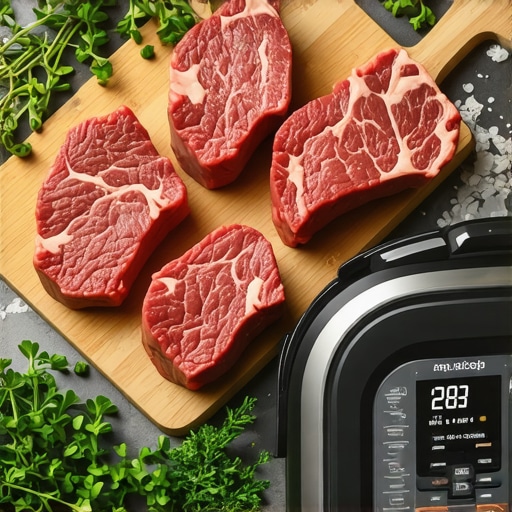
Start by choosing tougher but flavorful cuts like chuck, brisket, or round. These cuts contain more connective tissue, which breaks down during cooking, resulting in tender meat. When I first tried a brisket for stew, I swapped out the usual expensive options and was amazed at how it transformed into melt-in-your-mouth goodness after following these steps. Remember, tougher cuts require specific methods to maximize tenderness.
Apply the Cold Start Technique for Better Results
Before sealing your instant cooker, add the beef along with your aromatics and seasonings, then set it to the cold start mode. This prevents rapid temperature rises that can toughen the meat and allows the collagen to gradually melt. This technique is especially effective with tougher cuts and ensures even cooking—my go-to method for achieving consistent tenderness without overcooking. For more about this, check out this detailed guide.
Cooking for Maximum Tenderness
Use your instant cooker’s pressure mode with high pressure maintained for 30 to 45 minutes depending on cut size. Think of it like squeezing a sponge—the pressure helps collagen break down faster, turning connective tissue into gelatin. I once prepared a beef stew with a mere 35-minute pressure cycle, and the meat was so tender it fell apart when I lifted the lid. Be sure to set the timer accurately; under or overcooking can lead to dry or mushy results. For tough cuts, I avoid quick modes like the quick-cool feature, as rapid cooling can lock in toughness.
Prevent Boiling and Overcooking
Many assume more time equals better, but this can backfire. To avoid turning your beef into a rubbery mess, reduce the amount of water; too much causes boiling, which toughens muscle fibers. Instead, aim for just enough liquid to cover the meat, and use the “no-boil” trick—adding water only after the meat has cooked for a while. This is crucial; I once added too much water, resulting in a bland, mushy roast. To learn how to stop boiling your beef, visit this article.
Finishing Touches for Juicy Beef
Once the cooking cycle is complete, let the meat rest for 10 minutes before slicing. Resting allows juices to redistribute, preventing dry bites. Even better, consider a quick sear in your pan to lock in moisture—especially if your instant cooker has a sear function. This step was a game-changer in my kitchen, turning a basic braise into a restaurant-quality dish. Avoid cutting immediately after cooking unless you want dry beef; follow this resting rule for success.While many home cooks rely on their instant cookers and slow cookers for simplicity, a common mistake is thinking these appliances can handle everything perfectly without nuanced understanding. Let’s dig deeper into some often overlooked nuances, myths, and advanced pitfalls that can trip up even seasoned users. For instance, the belief that you should always cook on high pressure for tender meat can be misleading. In reality, some tougher cuts benefit from a longer, lower-pressure cycle, or the cold start technique, which allows collagen to melt gradually, preventing tough results. This approach is supported by culinary experts who emphasize controlled heat application to optimize gelatins’ transformation, as detailed in industry research. Also, many assume that adding extra water speeds up cooking, but this can cause boiling, toughening the meat instead of tenderizing it. Reducing water content and applying the ‘no-boil’ trick significantly improves end results, as explained in advanced guides. Furthermore, a frequent mistake is neglecting the resting period after cooking, which results in juices escaping when the meat is sliced. Allowing a 10-minute rest ensures juiciness and flavor retention, a technique that advanced cooks swear by. If you’re venturing into more complex recipes or trying to perfect your dishes, understanding these subtle points can elevate your results dramatically. Curious about how to prevent your pressure cooker’s sealing lid from leaking? Try the simple 5-cent fix outlined here [https://cookers.kitchentechhq.com/is-your-2026-instant-cooker-seal-leaking-try-the-5-cent-fix](https://cookers.kitchentechhq.com/is-your-2026-instant-cooker-seal-leaking-try-the-5-cent-fix).
Have you ever fallen into this trap? Let me know in the comments! Remember, mastering your appliance’s nuances not only saves time and money but also transforms humble ingredients into extraordinary meals.
Keep Your Equipment Running Smoothly
Investing in a quality multicooker or slow cooker is just the first step; maintaining it properly ensures reliable performance and delicious results every time. One of the most overlooked aspects is regular cleaning and inspection. For example, the silicone sealing ring is vital for pressure retention, but over time, it can become warped or stained, which might lead to leaks. Regularly removing the ring and cleaning it with warm, soapy water prevents buildup and extends its lifespan. If you notice any cracks or warping, replacing the gasket is a small investment that pays off in safety and efficiency. Additionally, keeping the metal parts dry and free of mineral deposits is essential. Use a damp cloth to wipe down the interior and exterior, avoiding harsh abrasive cleaners that could damage sensitive surfaces.
Another tip is to periodically check the pressure release valve. A clogged or sticky valve can cause inaccurate pressure buildup, affecting your cooking results. Applying a few drops of food-grade lubricant during cleaning can keep it functioning smoothly. For precision and peace of mind, it’s wise to consult your device’s manual for specific maintenance procedures and recommended schedules.
How do I maintain my pressure cooker or slow cooker over time?
Implement a routine that includes inspecting the gasket, cleaning all removable parts thoroughly, and testing the sealing function periodically. When I first started, I found that my pressure cooker’s lid was leaking because of a worn sealing ring, which I now replace every 12 to 18 months—depending on usage—guided by industry experts. For a quick fix on leaky lids, check out this article. Also, always make sure to dry and store your equipment with the lid off; this prevents mold and bad odors from developing inside.
Looking ahead, as technology advances, I predict that future models will incorporate smarter self-maintenance systems, alerting users when parts need replacement or cleaning. Until then, a proactive maintenance routine will keep your device performing optimally for years to come. Remember, a well-maintained cooker not only lasts longer but also ensures your meals are consistently perfect. Try setting a quarterly maintenance schedule and see the difference it makes in your cooking experience. Proper care of your equipment is the cornerstone of long-term culinary success, especially with complex appliances like multicookers and pressure cookers—after all, a small investment in upkeep yields countless meals and savings over time.
What I Wish I Knew Before I Started Elevating My Beef Game
One of the most overlooked lessons I learned was how crucial proper cut selection is—choosing tough yet flavorful cuts like chuck and brisket, which transform into melt-in-your-mouth meals when cooked correctly. I used to think investing in premium cuts was necessary, but with the right techniques, budget-friendly options become culinary treasures. Another insight was the power of the cold start technique—adding beef and aromatics together before heating prevents toughening the meat, making every bite juicier and more flavorful. This simple tweak revolutionized my cooking, saving me time and avoiding dry results. And perhaps most surprisingly, I realized that overcooking isn’t the only way to achieve tenderness—adjusting water levels and resting times can make all the difference, preventing your beef from becoming rubbery or mushy. These lessons didn’t just improve my meals—they transformed my confidence in using my instant cooker for every beef dish. Improving your approach means embracing these subtle yet impactful changes, turning humble ingredients into truly special feasts.
My Tried-and-True Tools for Beef Perfection
If you’re serious about mastering beef in your instant cooker, I recommend a few resources that have made a real difference for me. First, this guide on stopping boiling offers invaluable tips on water management—crucial for tender results. Second, the article on eco-mode helped me understand how different settings influence collagen breakdown. Lastly, I rely on this resting rule for juicy beef—a game-changer for consistency. These tools have become my go-to arsenal for turning budget cuts into restaurant-quality dishes, and I confidently recommend them to anyone eager to step up their beef game.
Your Turn to Take Action and Elevate Your Beef Dishes
Remember, the journey to mastering tender beef in your instant cooker is about embracing those small, impactful tweaks—like selecting the right cuts, applying the cold start method, and understanding your device’s nuances. With patience and practice, you’ll turn simple ingredients into real culinary delights that impress family and friends alike. Don’t hesitate to experiment, learn from your successes and failures, and enjoy the process of transforming humble beef into memorable meals. Your high-quality, affordable beef dishes are just a few smart techniques away—so head into your kitchen and start cooking with confidence today! What’s been your biggest challenge with preparing beef in your instant cooker? Share your experiences below—I’d love to hear your story.