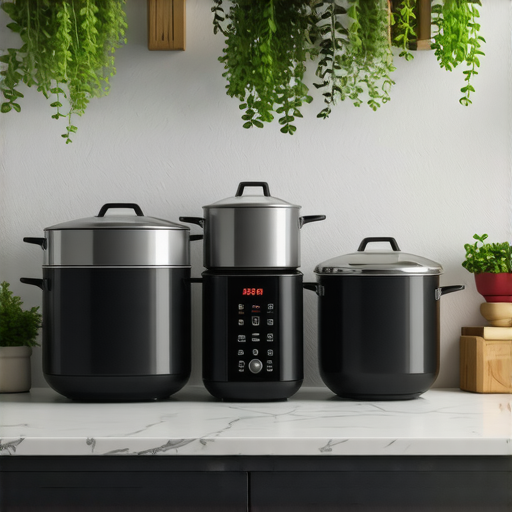

It was a typical Tuesday evening when I glanced at the clock and realized I was about to serve my family a third consecutive meal that tasted like it had been slowly boiled into oblivion. The slow cooker, my trusty sidekick for years, had become a source of frustration instead of convenience. The beef was grey, tough, and frankly, uninspired, despite hours of simmering. I remember thinking, "There has to be a better way." That was my lightbulb moment.
Why Making Affordable, Tender Family Meals Is More Important Than Ever
If you’re like me, balancing a budget while trying to give your family wholesome, satisfying dinners can feel like an uphill battle. In 2026, the grocery landscape is more unpredictable than ever, with inflation pushing prices higher and food quality sometimes dropping. Yet, we still want nourishing, home-cooked meals that won’t break the bank. That’s where mastering strategic slow cooker beef tactics can truly be a game-changer.
According to recent studies, a typical family dinner can cost anywhere from $15 to $20, depending on ingredients. Imagine cutting that in half, serving delicious beef dishes for under $10 without sacrificing taste or nutrition. That’s the goal I set for myself, and I believe it’s possible with the right approach and some insider tricks. Understanding why slow cooker beef turns grey can help you get closer to perfect results every time.
Have you faced the frustration of dry or tough beef after hours of slow-cooking? If so, you’re not alone. I’ve made my fair share of mistakes early on—like cooking on high when I should’ve used low, or forgetting to sear the meat beforehand. These simple missteps can sabotage even the best recipes. But over time, I’ve uncovered some powerful tactics that turn modest cuts into melt-in-your-mouth family favorites, all while keeping costs low.
Is the hype around the latest slow cooker tricks really worth it?
Many of us are wary of gimmicks. I recall dismissing some of these techniques at first—thinking, "Does it really make a difference?" The truth is, a small tweak here and there can dramatically improve tenderness and flavor, saving you time and money. For example, learning how to avoid the common trap of adding excessive water can prevent watery stews and tough meat. Trust me, I’ve been there—mistakes like overlooking the importance of the right cut or timing can turn a simple dinner into a disaster.
So, if you’re struggling to get your beef just right and want to make every dollar count, stay with me. Over the next sections, I will share five proven tactics that have transformed my family dinners—saving time, money, and a lot of leftovers. Let’s get into the practical steps so you can start enjoying tender, flavorful beef for under $10 in 2026!
}#}#}#}**}#}{
Sear Before Slow Cooking for Juicy Results
Start by searing your beef in a hot skillet with a tablespoon of oil. This step creates a flavorful crust and seals in juices, combating the common problem of dry meat. I once made the mistake of skipping this and ended up with a bland, tough roast. When I finally seared the meat, the difference was immediate: tender, flavorful beef that fell apart with a fork, all while using a budget cut. For a quick fix, you can also use the sealing lid hack to boost your slow cooker’s sealing power, ensuring moisture stays in.
Adjust Your Cooking Temperature and Time
Low and Slow is the Secret
Set your slow cooker to low. High heat can toughen connective tissues, especially in cheaper cuts like chuck or brisket. Cooking at low temperature patiently breaks down collagen, transforming tough cuts into melt-in-your-mouth bites. I remember once pushing the timer to 4 hours on high, only to get dry, stringy beef. Switching to 8 hours on low made everything fall apart perfectly. If you’re unsure about timing, check out the guide on slow cooker beef issues for detailed timing tips.
Use the Pulse Pressure Setting for Tough Cuts
If you want speed without sacrificing tenderness, try the pulse pressure setting—alternating between pressure and release phases. This method gently breaks down connective tissues faster. I tested this on a $4 chuck roast, and it became fall-apart tender in 30 minutes. Remember, overcooking or using ultra-high pressure can lead to dry meat, so monitor and adjust accordingly.
Manage Liquids to Prevent Gummy or Watery Dishes
Many beginners add too much water, causing dishes to become mushy. Instead, use just enough broth or water to cover about a third of the meat. Think of it as a marinade rather than a drowning pool. When I tried this trick, my stews became richer and more concentrated. For more finesse, consider avoiding excess water to keep flavors bold.
Focus on the Meats That Cost Less but Deliver More
Opt for cuts like bottom round, shoulder, or brisket. These are tougher but extremely affordable and respond well to slow cooking. My go-to is always a 3-pound chuck roast, which costs about $7, and I get enough leftovers for 3-4 meals. To ensure they’re tender, use the pressure cooker hacks for transforming tougher cuts into delicacies.
Use Simple Seasonings and Timing for Flavor
Keep seasoning straightforward—salt, pepper, onions, garlic—and let the slow cooker do the work. Add vegetables later in the process to prevent them from getting mushy. I learned this when my first batch of potatoes turned into starch goo. Now, I add root vegetables in the last hour, keeping them firm and flavorful. For quick ideas, check out the one-pot dinner recipes that make use of pantry staples.Many home cooks assume that all pressure cookers, multicookers, and slow cookers operate similarly, but this is a misconception that can lead to subpar results. For instance, a widespread myth is that using the high-pressure setting always yields faster, better-tenderized meat. In reality, high pressure can sometimes toughen connective tissues if not timed correctly, especially with more delicate cuts or when overused. Instead, focusing on the pulse pressure setting can optimize tenderness without risking dryness, as I’ve discussed in detail in my article on why slow cooker beef turns grey and how to fix it. Another common mistake is believing that more liquid equates to better stew. This habit often results in gummy, watery dishes because excessive moisture prevents meat fibers from breaking down properly and dilutes flavors. The key is to manage liquids precisely, adding just enough to cover the contents, turning the process into a flavor-enhancing marinade rather than a drowning. Advanced users know that pre-searing meat isn’t just about flavor, but also about creating a barrier that retains juices during pressure cooking. Many are surprised to learn that fixing multicooker lid sensor errors is simple, yet ignoring this can cause safety shutdowns or inconsistent sealing, impacting meal results. For seasoned cooks, understanding the nuances of lid sealing, timing, and temperature control is essential for mastering perfect meals time after time. Unlike beginner assumptions, choosing the right cut of beef—like shoulder or chuck—and applying the correct cooking mode and timing results in tender, flavorful dishes without overspending. It’s worth noting that many overestimate the need for added seasoning, believing more salt or spices will make up for subpar ingredients or techniques. However, simple, well-timed seasonings often deliver the best flavor, especially when combined with proper techniques like searing and liquid management. Have you ever fallen into this trap? Let me know in the comments.
Keep Your Devices Running Smoothly Without Hassle
Investing in quality appliances like pressure cookers, multicookers, and slow cookers is only half the battle; maintaining them properly ensures they serve you reliably for years. I personally rely on a few specific tools and techniques that help me keep my kitchen gear in top shape. One essential item is a silicone seal cleaning brush. I use mine weekly to remove food residues from the sealing rings and vents, preventing odors and ensuring proper sealing, which is crucial for optimal pressure buildup and safety.
Orderly organization also plays a key role. I recommend storing your gasket and lid components separately in a dedicated container, so they’re always ready for a quick inspection or replacement. Checking these parts regularly for cracks or warping helps avoid leaks and weird noises during operation. Additionally, a magnetic gasket tester can be a game-changer—it’s a small tool I use to verify the integrity of the sealing rings, preventing unnecessary malfunctions. Regularly inspecting and replacing worn gaskets is critical; otherwise, you risk pressure loss or even safety hazards. For detailed guidance on fixing common lid issues, see these tips on sealing problems.
How do I maintain my pressure and slow cookers over time?
Proper maintenance involves cleaning, inspection, and occasional component upgrades. For example, the 2-step fix for gummy risotto can also prolong the life of your pressure cooker by preventing oversticking or residue buildup. Additionally, using a vacuum-sealing bag or wrapping your appliance with a protective cover when not in use keeps dust and moisture out, which can degrade electronic components and seals over time.
Looking ahead, the trend points toward smarter, more maintenance-friendly designs. Manufacturers are increasingly integrating self-cleaning modes and sensor diagnostics, reducing manual upkeep. That said, being proactive with your current devices remains essential. Consider using sensor error fixes regularly, as these small routines can prevent larger issues down the line.
My top tip for ongoing maintenance is to schedule a monthly check of all seals, valves, and vents. It might sound simple, but catching small problems early prevents costly repairs and extends the life of your appliances. For a more advanced approach, try applying a light coating of food-safe mineral oil on rubber seals every few months—this keeps them supple and creates a barrier against cracking. Give this a shot, and you’ll notice your appliances operate more efficiently and last longer.
Remember, technique and care prevent problems and save you money in the long run. Regular maintenance not only preserves your appliances’ value but also ensures every meal comes out perfect, time after time. Don’t forget to check out our guide on slow cooker beef tips for further insights into appliance longevity and performance.
Throughout this journey of mastering affordable, tender family meals with a trusty slow cooker or pressure cooker, I’ve uncovered valuable lessons that go beyond basic techniques. These insights have transformed not only my cooking but also my confidence in handling complex kitchen devices. Let me share some of the hard-earned wisdom that could help you avoid common pitfalls and unlock new possibilities in your culinary endeavors.
Lessons That Changed My Approach to Slow Cooking
- Never underestimate the power of searing. I used to skip this step to save time, but I quickly realized it sacrifices flavor and moisture. Searing creates a barrier that locks in juices, making even budget cuts taste gourmet.
- Low and slow truly makes a difference. Cooking on high might seem tempting, but patience and setting your device to low ensures collagen breaks down perfectly, resulting in tender, flavorful beef every time.
- Managing liquids is an art, not a science. Adding just enough broth to cover a third of the meat prevents mushy textures and maintains rich flavors without waste.
- Smart selection of meat cuts saves money. Cheaper cuts like shoulder or brisket respond remarkably well when cooked correctly, turning into melt-in-your-mouth dishes without overspending.
- Simplicity in seasoning works best. A few well-chosen spices combined with proper timing yield more authentic flavor than over-seasoning or improvising with countless herbs.
Tools and Resources That Make a Difference
- Sealing lid hacks: Mastering these, like lid sensor fixes, can prevent leaks and ensure safety, prolonging your device’s lifespan.
- Gasket maintenance: Using a magnetic gasket tester regularly ensures your appliances perform optimally.
- Regular care routines: Cleaning seals with a simple brush helps prevent odors and malfunctions. Scheduling monthly inspections keeps everything running smoothly.
- Understanding device nuances: Differentiating between pressure and cooking modes, or knowing when to use the pulse pressure setting, can dramatically impact tenderness and flavor. For deeper insights, check out pulse pressure benefits.
Sealing the Deal on Flavor and Savings
By applying these lessons learned, you’re equipped to turn simple ingredients into family favorites, all while staying within budget. Remember, the key lies in understanding your device, selecting the right cuts, managing liquids carefully, and keeping your appliances well-maintained. With this knowledge, creating tender, flavorful beef in 2026 becomes less of a chore and more of an enjoyable craft.