It was a hectic Tuesday evening when I finally hit my breaking point. I had just finished a long day at work, and the last thing I wanted was to spend another hour chopping, stirring, and cleaning up a mountain of dishes. Sitting at my kitchen counter, I looked at the clock—already late—and thought, “There has to be a better way.” That’s when I remembered my trusty pressure cooker tucked away in the cabinet. I decided to give quick and tasty one-pot recipes a shot, and wow, did it change my dinner game.
How Simplifying Dinner Became My Secret Weapon
As I started experimenting with my pressure cooker, I realized I wasn’t alone in the struggle. Many of us want nutritious, flavorful meals without dedicating hours or making a mess. The good news? The right pressure cooker recipes can make dinner both effortless and delicious.
Does Pressure Cooking Really Save Time?
Absolutely. A well-chosen pressure cooker can slash cooking times and help you prepare wholesome meals in a fraction of the usual effort. Plus, it’s a fantastic way to lock in flavors and nutrients. According to a recent study by Harvard Health Publishing, pressure cooking retains more nutrients than traditional boiling or steaming, making your meals healthier.
But before you dive in, I want to be upfront about one common mistake I made early on: thinking that all recipes are one-size-fits-all. I jumped straight into complicated dishes without mastering simple techniques, which left me frustrated and stuck with bland, overcooked food. Learning the basics of best pressure cooker practices, like proper sealing and ingredient layering, transformed my results.
If you’re tired of the dinner dilemma, keep reading. We’ll explore how to harness your pressure cooker for quick, tasty, and satisfying meals. And if you’re skeptical about whether these methods are worth the hype, don’t worry—I’ve got you covered. Ready to turn your mealtime chaos into a streamlined, delicious routine? Let’s get started.
Layer Ingredients for Maximum Flavor
Start by organizing your ingredients in the order they’ll cook, much like a military formation. Place root vegetables at the bottom to prevent burning, followed by proteins, then delicate ingredients like herbs or quick-cooking vegetables. This layering mimics the natural flow of flavors and prevents overcooking delicate items.
Specific Technique
During my first attempt, I chopped everything haphazardly and threw it all in. Result? Mushy, bland stew. After learning to layer properly, I placed potatoes and carrots first, then chicken, and added herbs on top. The result was a hearty, well-flavored dish, demonstrating how strategic layering makes a difference.
Master Pressure Cooker Settings for Different Dishes
Understand that various recipes require different pressure cycles. For example, tougher cuts of meat benefit from high pressure for 30-40 minutes, while vegetables need just a quick burst at low pressure for 3-5 minutes. Refer to trusted sources like this guide for specific times and pressure settings.
My Experience
Once, I attempted a beef stew expecting it to be tender in 20 minutes. It was tough and underseasoned. After adjusting to 35 minutes at high pressure and adding more seasoning, the beef melted in my mouth. This taught me to respect the pressure cooking times for different components.
Use Natural Release to Improve Texture
Instead of quick releasing pressure immediately after cooking, let the cooker sit and release pressure naturally for 10-15 minutes. This prevents the loss of juices and helps meats and grains relax, resulting in better texture and flavor.
Real-World Application
For a chicken and rice dish, I initially used quick-release, which made the rice mushy. Switching to natural release kept the rice fluffy and the chicken tender. This simple step can elevate your one-pot meals significantly.
Optimize Cooking Times and Keep It Simple
Many recipes fail because of overcomplicating the process. Use short cooking cycles tailored to your ingredients, rather than relying on lengthy recipes. For quick and tasty meals, explore this collection to find reliable ideas.
Pro Tip
I found that halving cooking times and adjusting seasonings afterward often yields better results than overcooking ingredients. Remember, you can always add more seasoning, but you can’t fix overcooked food.
Embrace the Power of Sauté Before Pressure
By using the sauté function to brown meats and onions before sealing the lid, you develop richer flavors and deepen the final taste of your dish. This step mimics traditional browning, which adds complexity to your meals.
My Practical Experience
I’ve made a chicken curry where caramelizing the onions first gave it a depth I couldn’t achieve by just throwing everything in together. It added a layer of richness and complexity that made the meal stand out.
Many home cooks believe they can simply toss ingredients into an instant cooker or slow cooker and walk away, assuming that all recipes and techniques are interchangeable. However, this oversimplification can lead to less-than-perfect results and missed opportunities for flavor and texture optimization. In my experience, one of the most widespread myths is that these appliances automatically handle all the nuances of cooking, which isn’t quite true. Unlike traditional cooking, where attention to detail—like proper searing or ingredient layering—can make a significant difference, many assume that pressure and time alone are sufficient, leading to bland or overcooked dishes.
Another common mistake is neglecting the importance of ingredient preparation and sequencing. For example, placing potatoes or root vegetables at the bottom of the pot isn’t just about convenience; it ensures even cooking and prevents burning. Overlooking this can result in uneven textures or ingredients that are either underdone or mushy, ruining the dish’s harmony.
A subtle but critical nuance is understanding the different pressure and temperature cycles required for various ingredients. Tough cuts of meat may need extended high-pressure cooking to become tender, but many try to cook everything at high pressure for the same duration, leading to dry meats or over-stewed vegetables. Advanced cooks know that adjusting these settings based on the ingredient’s nature dramatically improves outcomes.
This brings us to an often-ignored reality: the significance of natural pressure release after cooking. Quick-release valves are convenient but can sometimes cause delicate ingredients like seafood or grains to seize and become rubbery. Letting pressure release naturally for 10-15 minutes allows flavors to settle and textures to stabilize, resulting in a more refined dish. As nutritionist Dr. Amy Myers highlights, controlling not just time but also the release method influences both flavor and nutrient preservation.
Thinking beyond basic recipes, a sophisticated cook considers the synergy between cooking techniques and appliance features. For instance, utilizing the sauté function before pressure cooking can deepen flavors through caramelization, a step many skip in pursuit of speed. Incorporating such techniques aligns with the insight presented in guides like this resource, which emphasizes understanding your device’s full capabilities.
Be cautious of relying solely on default settings without understanding their implications. Recipes crafted with advanced nuance and ingredient layering outperform generic timings every time. Remember, a little extra attention—like searing meats or adjusting pressure cycles—can elevate your one-pot meals from ordinary to extraordinary.
Have you ever fallen into this trap? Let me know in the comments below! Mastering these hidden nuances may seem complicated at first, but investing in this deeper knowledge transforms your cooking experience and the quality of your meals.
Choosing the Right Equipment for Longevity
Investing in high-quality appliances like a reliable pressure cooker or multicooker is the foundation of effortless meal prep. I personally prefer models with sturdy stainless steel inserts and multiple safety features, ensuring durability and peace of mind during frequent use. Brands such as Instant Pot and Cuisinart have consistently provided units that withstand the test of time, which is critical when you’re relying on these tools daily.
How do I maintain my appliance over time?
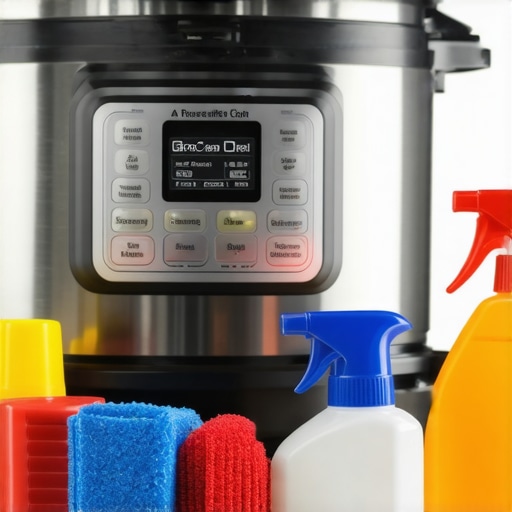
Regular maintenance is essential for ensuring your cooker continues to perform optimally. For example, I recommend cleaning the sealing rings monthly and replacing them every 12-18 months, as per manufacturer guidelines. Wiping the inner lid and pressure release valve after each use prevents residue buildup that can affect sealing and safety. Checking electrical connections and ensuring the control panel functions correctly also prevents unexpected breakdowns. Following these simple routines guarantees your device remains reliable, reducing the likelihood of needing costly repairs or replacements.
Tools and Accessories That Make a Difference
Beyond the core unit, certain accessories can elevate your cooking experience. A silicone steam rack allows for better ingredient arrangement and prevents food from sticking to the bottom, extending the appliance’s life. A quality pressure cooker cleaning brush helps reach tight spots, ensuring thorough cleaning. I also use a silicone sealing ring protector during storage, which keeps the ring supple and prevents deformation. For long-term results, investing in these tools pays off, as they keep your device functioning well over years of use.
Implementing Software and Recipe Management
Maintaining consistency in your meals is easier with digital tools. I use a dedicated app to store and organize my favorite recipes, which helps me track cooking times and settings across different appliances. Additionally, some advanced multicookers now come with firmware updates that enhance functionality and safety features. Staying up-to-date with such software can optimize performance and introduce new features that simplify mealtime even further. Expect this trend to continue, with smarter appliances integrating IoT technology for seamless operation and maintenance alerts.
What about scaling your cooking setup for future needs?
If you plan to expand your kitchen capabilities, consider appliances with multi-functionality and scalable features. Choosing a multicooker with an adjustable capacity or a modular design can accommodate larger families or batch cooking without additional equipment. Additionally, some models now support smartphone integration, allowing you to monitor and control your device remotely—an invaluable feature for busy professionals seeking to enhance efficiency. As trends develop, appliances with modular and IoT-enabled capabilities will become more prevalent, simplifying long-term maintenance and scaling.
Remember, consistent care extends the lifespan of your appliances, ensuring they continue to deliver tasty results effortlessly. For more insights on maximizing your multicooker or pressure cooker, explore comprehensive guides like this detailed resource. Try scheduling regular maintenance routines and investing in key accessories today—you’ll thank yourself when your appliances perform flawlessly year after year.
They Say You Know It All, Sometimes You Just Don’t
Early in my pressure cooking journey, I believed all recipes were interchangeable, leading to bland results. The big lesson? Respect the unique needs of each ingredient and don’t rush the process. Sometimes, patience and understanding of your appliance’s nuances make all the difference.
Miniature Ingredients, Major Flavor Gains
I used to think seasoning was just about adding salt and pepper, but I discovered that timing the seasoning — such as adding herbs after pressure cooking — preserves their vibrant flavors. Small tweaks like these elevate simple dishes into culinary delights, especially when crafted with attention to detail.
Beyond Recipes: Trust Your Instincts and Experience
While guides are invaluable, learning to adjust times and settings based on your experience and tastes adds a personal touch. I found that keeping notes on what works best with my pressure cooker transformed my cooking from trial and error to consistent success.
Level Up with the Right Tools and Maintenance
Beyond the cooker itself, quality accessories like silicone racks or sealing rings can make your cooking smoother. Regular cleaning and maintenance are your secret weapons, preventing mishaps and ensuring each meal is as perfect as the last. Explore trusted resources to find tools that suit your style and keep your appliance running like new.
Let Your Culinary Voice Shine
Now it’s your turn. What’s a lesson about pressure cooking that changed how you approach meals? Drop your story below and share the wisdom you’ve gained on your journey to effortless, flavorful one-pot dinners. After all, mastering your pressure cooker isn’t just about recipes—it’s about creating a cooking experience that feels rewarding and personal.
Reading about your journey with pressure cooking really resonated with me. When I first tried using my pressure cooker, I too underestimated the importance of ingredient layering and pressure adjustments. Over time, I found that respecting the specific needs of each ingredient, especially tougher cuts of meat and delicate vegetables, makes a huge difference in the final dish. I also agree wholeheartedly that natural pressure release can elevate the texture and flavor retention, particularly for grains and meats. One tip I’d add is to keep a small journal of times and settings that work well for my favorite recipes; it’s made the process more intuitive. How do others decide which ingredients to sear or brown before pressure cooking, and which can be added directly? I’m curious if there are any shortcuts or tricks that can help streamline this without compromising on flavor.