I remember the nights when dinner felt like an insurmountable challenge. That moment when I looked into the fridge, saw a hodgepodge of ingredients, and thought, “There’s got to be an easier way.” I’d try to throw something together, only to end up with a half-cooked mess or a dish that took twice as long as I’d hoped. Sound familiar? That was my lightbulb moment—realizing that with the right tools and some smart techniques, I could turn chaos into delicious, effortless dinners.
Why a Multicooker and Slow Cooker Are Game Changers
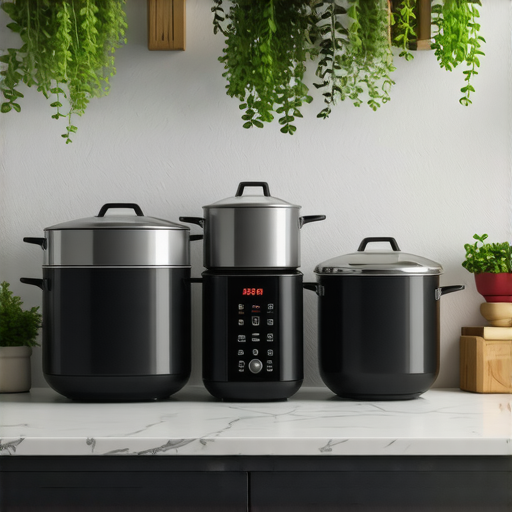
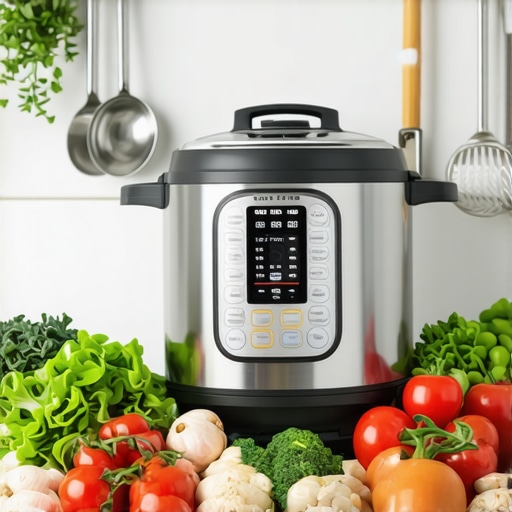
When I finally embraced my multicooker and slow cooker, everything changed. These appliances aren’t just about convenience—they’re about transforming your dinner routine. They allow you to cook hearty, flavorful meals without spending hours in the kitchen. Plus, their versatility means one device can replace several gadgets, saving you space and clutter.
But here’s the thing: many folks jump into using these cookers without a proper game plan. They might follow recipes blindly or assume that these appliances will do all the work without any guidance. That’s where most of us make rookie mistakes—like overloading the cooker or not layering ingredients properly—which can lead to disappointing results. Early on, I learned that understanding the nuances makes all the difference, and I’ve digested expert tips to help you avoid those pitfalls.
Is the hype around multi-cookers worth it?
I used to wonder if investing in a multicooker or slow cooker was just another kitchen fad. Would they really save me time, or was I just buying into the hype? Honestly, I underestimated the power of these appliances until I faced a week of back-to-back commitments and needed quick, nourishing solutions. And surprise—these devices became my secret weapon. I’ve seen countless home cooks discover that with a few strategic tips, they can serve up delicious meals without the stress.
Early in my journey, I made the mistake of assuming that quick meant less flavorful. But I found that with the right techniques—like proper layering and using the best pressure cooker hacks—I could achieve restaurant-quality meals in a fraction of the time. For a detailed look at quick and easy recipes, check out these simple slow cooker recipes.
So, if you’ve ever felt overwhelmed trying to plan and cook dinner after a long day, know that there’s a solution. Stick around, and I’ll guide you through practical tips and tricks to turn your multicooker or slow cooker into your best culinary friend for 2024 and beyond. Are you ready to revolutionize your dinner routine?
Select the Perfect Ingredients and Prep Efficiently
Start with simple, fresh ingredients that complement each other and require minimal prep. For example, a last-minute beef stew might include chunks of stew meat, chopped carrots, potatoes, garlic, and broth. I once chopped everything the night before, stored it in a container, and dumped it into the slow cooker the next day—saving precious time. Remember, cutting and prepping ahead reduces cooking time and ensures evenly cooked ingredients.
Layer Ingredients Strategically for Best Results
Proper layering prevents ingredients from overcooking or becoming mushy. Dense vegetables like potatoes should go at the bottom, with meats above, and delicate herbs or leafy greens near the top. I learned this during a chaotic weekend when I stacked everything randomly—resulting in undercooked potatoes and mushy greens. Following a layering sequence—as detailed in this comprehensive guide—ensures even cooking and flavors blending perfectly.
Use the Right Liquid and Amounts
Liquid is crucial for moist, tender results, especially in pressure and slow cooking. Too much can dilute flavors; too little can cause burning or uneven cooking. A good rule is to cover ingredients halfway—think of it as giving ingredients a gentle swim, not drowning them. I once added just a cup of broth for stew, but the meat dried out; later, I adjusted by adding a bit more broth and learned that balancing moisture makes dishes come out consistently flavorful. For quick tips, explore these recipe hacks.
Control Timing Precisely
Set the cooker for the appropriate time—too short, and ingredients stay raw; too long, and they turn to mush. Use the manufacturer’s timing charts, often found in the user manual or online, as a starting point. I once left a chicken stew on high for 8 hours by mistake; the chicken shredded beautifully but the vegetables turned to pulp. Don’t guess; monitor and adjust timers based on the size and type of ingredients—when in doubt, go for shorter intervals and check. For specific timing, see these timing suggestions.
Master the Art of Proper Pressure and Venting
In pressure cooking, knowing when and how to vent steam is key to safety and perfect results. Keep the pressure valve clean and functional. I once failed to release steam properly, leading to a messy kitchen. Once, I used the quick release method at the right time during a beef roast, resulting in tender meat without overcooking. Get comfortable with different venting techniques—natural release for large cuts, quick release for quick meals—by reading this expert advice.
Embrace Smart Techniques for Every Meal
Use searing to add depth—brown meats and aromatics in the cooker if it supports it. Implement stacking methods to layer ingredients, especially in multicookers that offer multiple functions. For example, sauté, then pressure cook for a hearty stew, saving dishes and time. During a busy week, I seared beef in my multicooker, layered vegetables on top, set to pressure, and had a flavorful meal ready faster than traditional methods—showing that combining techniques elevates results. Practice these methods consistently, referencing these pressure cooker hacks.
Adjust and Taste as You Cook
Resist the urge to open the lid frequently; however, tasting toward the end helps fine-tune seasoning. For instance, I once prepared a chili in my slow cooker, checked the seasoning at the four-hour mark, and added more spices when needed—increasing flavor depth. Use the delay start feature if available, so your meal is ready when you arrive home. This way, you avoid overcooking or drying out ingredients. To learn more, explore these pro tips.
Many home cooks operate under misconceptions when it comes to slow cookers, multicookers, and instant pots. One of the most pervasive myths is that these appliances require no attention or finesse—that simply tossing in ingredients guarantees a perfect meal. In reality, understanding the nuanced functions and limitations of each device is essential for success. For example, overloading a slow cooker can lead to uneven cooking and compromised flavors, as highlighted in expert guides. Additionally, many people believe that pressure cooking automatically yields tender results; however, improper timing and venting can result in meat that’s either underdone or overly mushy. Proper technique is key.
A common trap is relying solely on default settings without adjusting for ingredient size and freshness. For instance, larger pieces of meat need longer cooking times, and fresh herbs should be added toward the end for the best flavor. Advanced users emphasize the importance of layering ingredients strategically and controlling moisture levels—details that can make or break your dish. One crucial aspect often overlooked is venting pressure correctly; failing to do so can be unsafe and affect meal quality. For comprehensive advice, visit this in-depth guide.
Have you ever fallen into this trap? Let me know in the comments. Let’s dive into some advanced nuances that can elevate your cooking game and help you avoid common mistakes, ensuring every meal comes out just right.
Tools I Recommend for Maintenance and Efficiency
Investing in the right tools can significantly extend the life of your slow cooker, multicooker, or pressure cooker. I personally rely on a high-quality magnetic probe thermometer to monitor internal temperatures during cooking, ensuring consistent results and preventing overheating. This simple device has saved me from burning ingredients or undercooking essential proteins. Additionally, a set of soft-bristled brushes makes cleaning vent holes and sealing rings easier, maintaining optimal pressure and preventing leaks.
For maintaining the integrity of the sealing rings, I opt for silicone ring cleaning mats. They facilitate thorough cleaning without deformation, which is crucial for safety and performance. I also keep a small bottle of vinegar solution handy—it’s perfect for descaling mineral deposits from metal parts, especially if you’re in an area with hard water. Regular descaling prevents buildup that can hinder the appliance’s function over time.
Developing a Maintenance Routine for Your Appliances
How do I maintain my cooker over time? Consistency is key. I recommend wiping down the exterior after each use with a damp cloth to remove food splatters. Once a month, I disassemble the vent and sealing components to soak them in vinegar solution, which helps dissolve grease and mineral buildup. While doing this, I inspect the pressure release valves and replace any worn seals—most often, I replace the silicone rings annually, even if there are no visible signs of damage. This proactive approach prevents unexpected failures and ensures your appliance performs reliably.
Tip: Keep a dedicated maintenance journal where you log cleaning dates, replacements, and issues. This record helps track your appliance’s health and anticipate replacements before failures occur.
Future Trends in Kitchen Appliance Care
Looking ahead, smart appliances integrated with diagnostic sensors will provide real-time maintenance alerts via companion apps. This innovation will notify you when parts need replacing or cleaning, minimizing downtime. Some brands are already experimenting with self-cleaning functions that use ultrasonic vibrations to dislodge mineral deposits. Embracing these advancements could make maintaining your cookware more straightforward and less time-consuming.
What’s the best way to keep my cooker working smoothly for years?
In my experience, combining routine checks with the use of specialized tools—like pressure release brush kits and descaling solutions—maintains peak performance. I highly recommend trying techniques such as soaking vent parts in vinegar every few months; it’s an affordable, simple step with proven benefits. For detailed guidance, this expert advice offers excellent insights. Consistency and attention to detail are your best allies in extending the lifespan of your appliances and ensuring flawless cooking every time.
Lessons Only Experience Can Teach You About Slow Cooking
- One of my biggest lightbulb moments was realizing that proper layering isn’t just a tip—it’s the secret to achieving tender, flavorful dishes every time. Early on, I underestimated how crucial ingredient placement is, often ending up with overcooked greens and undercooked potatoes. Now, I see it as a culinary dance where each layer has a role, akin to a well-choreographed performance. Dive deeper into this with these expert tips.
- I used to think that throwing everything into the cooker and setting it would produce magic. The real trick was understanding how moisture levels and timing shape the final outcome. For instance, adding too much liquid can lead to diluted flavors, while too little risks burning. Once I mastered balancing these, my meals transformed. Want to level up? Check this comprehensive guide for nuanced insights.
- The biggest mistake I see home cooks make: ignoring the importance of venting pressure correctly in my pressure cooker. Not releasing steam properly can not only be unsafe but also ruin your dinner. It’s a simple yet often overlooked step that guarantees safety and perfect texture. Learn the key techniques in this essential advice.
- My epiphany about ingredients came when I realized fresh herbs added at the right moment dramatically boost flavor. Pre-chopping and preparing ingredients before cooking saves time and ensures even cooking. It’s like giving your ingredients a head start, making your meal come out just right every time. Find out more in these quick recipes.
- Lastly, I learned that embracing the versatility of multicookers transforms not just my meals but my entire approach to cooking. Experiments with searing, layering, and timing opened new culinary horizons. A device that once seemed simple now plays a starring role in my kitchen routine. Discover the power of smart techniques in this detailed resource.
My Top Tools for Keeping Your Kitchen Equipment in Top Shape
- Investing in a probe thermometer was a game-changer for me. Monitoring internal temperatures prevents overcooking and guarantees tender results. I trust this tool because it provides instant feedback, helping me adjust cooking times on the fly. Check out my favorite tools for maintaining optimal appliance performance.
- A good silicone ring cleaning kit and descaling solutions keep my pressure cooker functioning safely. Regular maintenance reduces the risk of leaks and ensures pressure safety. By keeping a cleaning journal, I stay ahead of potential issues before they become costly repairs. Learn more about effective maintenance routines here.
- Smart appliances with diagnostic sensors are on the horizon, promising even easier maintenance. For now, simple routines like monthly vinegar soaks in vent parts help me safeguard my investment. It’s a small effort that pays big dividends in peace of mind and performance.
Your Next Step Toward Culinary Ease Starts Now
Embracing the lessons learned and tools suggested here will genuinely elevate your slow cooking game. Imagine coming home to a perfectly cooked, delicious meal without the stress—that’s the power of combining technique with the right equipment. Don’t let misconceptions hold you back; with a bit of knowledge and experimentation, you’ll surprise yourself with every dish. Ready to unlock your kitchen’s potential with effortless one-pot meals? Dive into these recipes and start your journey today. What’s been your biggest challenge in mastering slow cooker or pressure cooker meals? Share below—I’d love to hear your story.”}#}#}#}#}#}#}#}#}#}#}#}#}#}#}#}#}#}#}#}#}#}#}#}#}#}#}#}#}#}#}#}#}#}#}#}#}#}#}#}#}#}#}#}#}#}#}#}#}#}#}#}#}#}#}#}#}#}#}#}#}#}#}#}#}#}#}#}#}#}#}#}#}#}#}#}#}#}#}#}#}#}#}#}#}#}#}#}#}#}#}#}#}#}#}#}#}#}#}#}#}#}#}#}#}#}#}#}#}#}#}#}#}#}#}#}#}#}#}#}#}#}#}#}#}#}#}#}#}#}#}#}#}#}#}#}#}#}#}#}#}#}#}#}#}#}#}#}#}#}#}#}#}#}#}#}#}#}#}#}#}#}#}#}#}#}#}#}#}#}#}#}#}#}#}#}#}#}#}#}#}#}#}#}#}#}#}#}#}#}#}#}#}#}#}#}#}#}#}#}#}#}#}#}#}#}#}#}#}#}#}#}#}#}#}#}#}#}#}#}#}#}#}#}#}#}#}#}#}#}#}#}#}#}#}#}#}#}#}#}#}#}#}#}#}#}#}#}#}#}#}#}#}#}#}#}#}#}#}#}#}#}#}#}#}#}#}#}#}#}#}#}#}#}#}#}#}#}#}#}#}#}#}#}#}#}#}#}#}#}#}#}#}#}#}#}#}#}#}#}#}#}#}#}#}#}#}#}#}#}#}#}#}#}#}#}#}#}#}#}#}#}#}#}#}#}#}#}#}#}#}#}#}#}#}#}#}#}#}#}#}#}#}#}#}#}#}#}#}#}#}#}#}#}#}#}#}#}#}#}#}#}#}#}#}#}#}#}#}#}#}#}#}#}#}#}#}#}#}#}#}#}#}#}#}#}#}#}#}#}#}#}#}#}#}#}#}#}#}#}#}#}#}#}#}#}#}#}#}#}#}#}#}#}#}#}#}#}#}#}#}#}#}#}#}#}#}#}#}#}#}#}#}#}#}#}#}#}#}#}#}#}#}#}#}#}#}#}#}#}#}#}#}#}#}#}#}#}#}#}#}#}#}#}#}#}#}#}#}#}#}#}#}#}#}#}#}#}#}#}#}#}#}#}#}#}#}#}#}#}#}#}#}#}#}#}#}#}#}#}#}#}#}#}#}#}#}#}#}#}#}#}#}#}#}#}#}#}#}#}#}#}#}#}#}#}#}#}#}#}#}#}#}#}#}#}#}#}#}#}#}#}#}#}#}#}#}#}#}#}#}#}#}#}#}#}#}#}#}#}#}#}#}#}#}#}#}#}#}#}#}#}#}#}#}#}#}#}#}#}#}#}#}#}#}#}#}#}#}#}#}#}#}#}#}#}#}#}#}#}#}#}#}#}#}#}#}#}#}#}#}#}#}#}#}#}#}#}#}#}#}#}#}#}#}#}#}#}#}#}#}#}#}#}#}#}#}#}#}#}#}#}#}#}#}#}#}#}#}#}#}#}#}#}#}#}#}#}#}#}#}#}#}#}#}#}#}#}#}#}#}#}#}#}#}#}#}#}#}#}#}#}#}#}#}#}#}#}#}#}#}#}#}#}#}#}#}#}#}#}#}#}#}#}#}#}#}#}#}#}#}#}#}#}#}#}#}#}#}#}#}#}#}#}#}#}#}#}#}#}#}#}#}#}#}#}#}#}#}#}#}#}#}#}#}#}#}#}#}#}#}#}#}#}#}#}#}#}#}#}#}#}#}#}#}#}#}#}#}#}#}#}#}#}#}#}#}#}#}#}#}#}#}#}#}#}#}#}#}#}#}#}#}#}#}#}#}#}#}#}#}#}#}#}#}#}#}#}#}#}#}#}#}#}#}#}#}#}#}#}#}#}#}#}#}#}#}#}#}#}#}#}#}#}#}#}#}#}#}#}#}#}#}#}#}#}#}#}#}#}#}#}#}#}#}#}#}#}#}#}#}#}#}#}#}#}#}#}#}#}#}#}#}#}#}#}#}#}#}#}#}#}#}#}#}#}#}#}#}#}#}#}#}#}#}#}#}#}#}#}#}#}#}#}#}#}#}#}#}#}#}#}#}#}#}#}#}#}#}#}#}#}#}#}#}#}#}#}#}#}#}#}#}#}#}#}#}#}#}#}#}#}#}#}#}#}#}#}#}#}#}#}#}#}#}#}#}#}#}#}#}#}#}#}#}#}#}#}#}#}#}#}#}#}#}#}#}#}#}#}#}#}#}#}#}#}#}#}#}#}#}#}#}#}#}#}#}#}#}#}#}#}#}#}#}#}#}#}#}#}#}#}#}#}#}#}#}#}#}#}#}#}#}#}#}#}#}#}#}#}#}#}#}#}#}#}#}#}#}#}#}#}#}#}#}#}#}#}#}#}#}#}#}#}#}#}#}#}#}#}#}#}#}#}#}#}#}#}#}#}#}#}#}#}#}#}#}#}#}#}#}#}#}#}#}#}#}#}#}#}#}#}#}#}#}#}#}#}#}#}#}#}#}#}#}#}#}#}#}#}#}#}#}#}#}#}#}#}#}#}#}#}#}#}#}#}#}#}#}#}#}#}#}#}#}#}#}#}#}#}#}#}#}#}#}#}#}#}#}#}#}#}#}#}#}#}#}#}#}#}#}#}#}#}#}#}#}#}#}#}#}#}#}#}#}#}#}#}#}#}#}#}#}#}#}#}#}#}#}#}#}#}#}#}#}#}#}#}#}#}#}#}#}#}#}#}#}#}#}#}#}#}#}#}#}#}#}#}#}#}#}#}#}#}#}#}#}#}#}#}#}#}#}#}#}#}#}#}#}#}#}#}#}#}#}#}#}#}#}#}#}#}#}#}#}#}#}#}#}#}#}#}#}#}#}#}#}#}#}#}#}#}#}#}#}#}#}#}#}#}#}#}#}#}#}#}#}#}#}#}#}#}#}#}#}#}#}#}#}#}#}#}#}#}#}#}#}#}#}#}#}#}#}#}#}#}#}#}#}#}#}#}#}#}#}#}#}#}#}#}#}#}#}#}#}#}#}#}#}#}#}#}#}#}#}#}#}#}#}#}#}#}#}#}#}#}#}#}#}#}#}#}#}#}#}#}#}#}#}#}#}#}#}#}#}#}#}#}#}#}#}#}#}#}#}#}#}#}#}#}#}#}#}#}#}#}#}#}#}#}#}#}#}#}#}#}#}#}#}#}#}#}#}#}#}#}#}#}#}#}#}#}#}#}#}#}#}#}#}#}#}#}#}#}#}#}#}#}#}#}#}#}#}#}#}#}#}#}#}#}#}#}#}#}#}#}#}#}#}#}#}#}#}#}#}#}#}#}#}#}#}#}#}#}#}#}#}#}#}#}#}#}#}#}#}#}#}#}#}#}#}#}#}#}#}#}#}#}#}#}#}#}#}#}#}#}#}#}#}#}#}#}#}#}#}#}#}#}#}#}#}#}#}#}#}#}#}#}#}#}#}#}#}#}#}#}#}#}#}#}#}#}#}#}#}#}#}#}#}#}#}#}#}#}#}#}#}#}#}#}#}#}#}#}#}#}#}#}#}#}#}#}#}#}#}#}#}#}#}#}#}#}#}#}#}#}#}#}#}#}#}#}#}#}#}#}#}#}#}#}#}#}#}#}#}#}#}#}#}#}#}#}#}#}#}#}#}#}#}#}#}#}#}#}#}#}#}#}#}#}#}#}#}#}#}#}#}#}#}#}#}#}#}#}#}#}#}#}#}#}#}#}#}#}#}#}#}#}#}#}#}#}#}#}#}#}#}#}#}#}#}#}#}#}#}#}#}#}#}#}#}#}#}#}#}#}#}#}#}#}#}#}#}#}#}#}#}#}#}#}#}#}#}#}#}#}#}#}#}#}#}#}#}#}#}#}#}#}#}#}#}#}#}#}#}#}#}#}#}#}#}#}#}#}#}#}#}#}#}#}#}#}#}#}#}#}#}#}#}#}#}#}#}#}#}#}#}#}#}#}#}#}#}#}#}#}#}#}#}#}#}#}#}#}#}#}#}#}#}#}#}#}#}#}#}#}#}#}#}#}#}#}#}#}#}#}#}#}#}#}#}#}#}#}#}#}#}#}#}#}#}#}#}#}#}#}#}#}#}#}#}#}#}#}#}#}#}#}#}#}#}#}#}#}#}#}#}#}#}#}#}#}#}#}#}#}#}#}#}#}#}#}#}#}#}#}#}#}#}#}#}#}#}#}#}#}#}#}#}#}#}#}#}#}#}#}#}#}#}#}#}#}#}#}#}#}#}#}#}#}#}#}#}#}#}#}#}#}#}#}#}#}#}#}#}#}#}#}#}#}#}#}#}#}#}#}#}#}#}#}#}#}#}#}#}#}#}#}#}#}#}#}#}#}#}#}#}#}#}#}#}#}#}#}#}#}#}#}#}#}#}#}#}#}#}#}#}#}#}#}#}#}#}#}#}#}#}#}#}#}#}#}#}#}#}#}#}#}#}#}#}#}#}#}#}#}#}#}#}#}#}#}#}#}#}#}#}#}#}#}#}#}#}#}#}#}#}#}#}#}#}#}#}#}#}#}#}#}#}#}#}#}#}#}#}#}#}#}#}#}#}#}#}#}#}#}#}#}#}#}#}#}#}#}#}#}#}#}#}#}#}#}#}#}#}#}#}#}#}#}#}#}#}#}#}#}#}#}#}#}#}#}#}#}#}#}#}#}#}#}#}#}#}#}#}#}#}#}#}#}#}#}#}#}#}#}#}#}#}#}#}#}#}#}#}#}#}#}#}#}#}#}#}#}#}#}#}#}#}#}#}#}#}#}#}#}#}#}#}#}#}#}#}#}#}#}#}#}#}#}#}#}#}#}#}#}#}#}#}#}#}#}#}#}#}#}#}#}#}#}#}#}#}#}#}#}#}#}#}#}#}#}#}#}#}#}#}#}#}#}#}#}#}#}#}#}#}#}#}#}#}#}#}#}#}#}#}#}#}#}#}#}#}#}#}#}#}#}#}#}#}#}#}#}#}#}#}#}#}#}#}#}#}#}#}#}#}#}#}#}#}#}#}#}#}#}#}#}#}#}#}#}#}#}#}#}#}#}#}#}#}#}#}#}#}#}#}#}#}#}#}#}#}#}#}#}#}#}#}#}#}#}#}#}#}#}#}#}#}#}#}#}#}#}#}#}#}#}#}#}#}#}#}#}#}#}#}#}#}#}#}#}#}#}#}#}#}#}#}#}#}#}#}#}#}#}#}#}#}#}#}#}#}#}#}#}#}#}#}#}#}#}#}#}#}#}#}#}#}#}#}#}#}#}#}#}#}#}#}#}#}#}#}#}#}#}#}#}#}#}#}#}#}#}#}#}#}#}#}#}#}#}#}#}#}#}#}#}#}#}#}#}#}#}#}#}#}#}#}#}#}#}#}#}#}#}#}#}#}#}#}#}#}#}#}#}#}#}#}#}#}#}#}#}#}#}#}#}#}#}#}#}#}#}#}#}#}#}#}#}#}#}#}#}#}#}#}#}#}#}#}#}#}#}#}#}#}#}#}#}#}#}#}#}#}#}#}#}#}#}#}#}#}#}#}#}#}#}#}#}#}#}#}#}#}#}#}#}#}#}#}#}#}#}#}#}#}#}#}#}#}#}#}#}#}#}#}#}#}#}#}#}#}#}#}#}#}#}#}#}#}#}#}#}#}#}#}#}#}#}#}#}#}#}#}#}#}#}#}#}#}#}#}#}#}#}#}#}#}#}#}#}#}#}#}#}#}#}#}#}#}#}#}#}#}#}#}#}#}#}#}#}#}#}#}#}#}#}#}#}#}#}#}#}#}#}#}#}#}#}#}#}#}#}#}#}#}#}#}#}#}#}#}#}#}#}#}#}#}#}#}#}#}#}#}#}#}#}#}#}#}#}#}#}#}#}#}#}#}#}#}#}#}#}#}#}#}#}#}#}#}#}#}#}#}#}#}#}#}#}#}#}#}#}#}#}#}#}#}#}#}#}#}#}#}#}#}#}#}#}#}#}#}#}#}#}#}#}#}#}#}#}#}#}#}#}#}#}#}#}#}#}#}#}#}#}#}#}#}#}#}#}#}#}#}#}#}#}#}#}#}#}#}#}#}#}#}#}#}#}#}#}#}#}#}#}#}#}#}#}#}#}#}#}#}#}#}#}#}#}#}#}#}#}#}#}#}#}#}#}#}#}#}#}#}#}#}#}#}#}#}#}#}#}#}#}#}#}#}#}#}#}#}#}#}#}#}#}#}#}#}#}#}#}#}#}#}#}#}#}#}#}#}#}#}#}#}#}#}#}#}#}#}#}#}#}#}#}#}#}#}#}#}#}#}#}#}#}#}#}#}#}#}#}#}#}#}#}#}#}#}#}#}#}#}#}#}#}#}#}#}#}#}#}#}#}#}#}#}#}#}#}#}#}#}#}#}#}#}#}#}#}#}#}#}#}#}#}#}#}#}#}#}#}#}#}#}#}#}#}#}#}#}#}#}#}#}#}#}#}#}#}#}#}#}#}#}#}#}#}#}#}#}#}#}#}#}#}#}#}#}#}#}#}#}#}#}#}#}#}#}#}#}