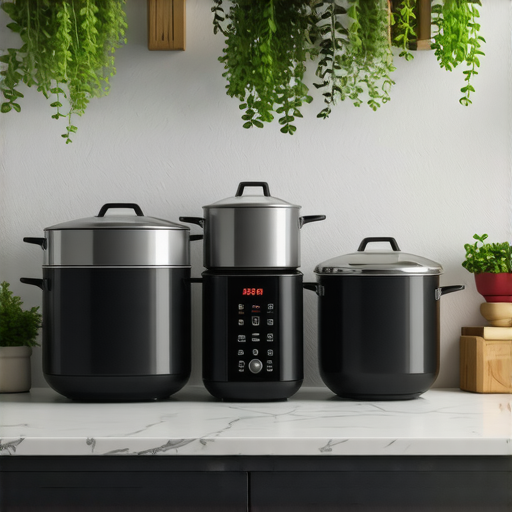
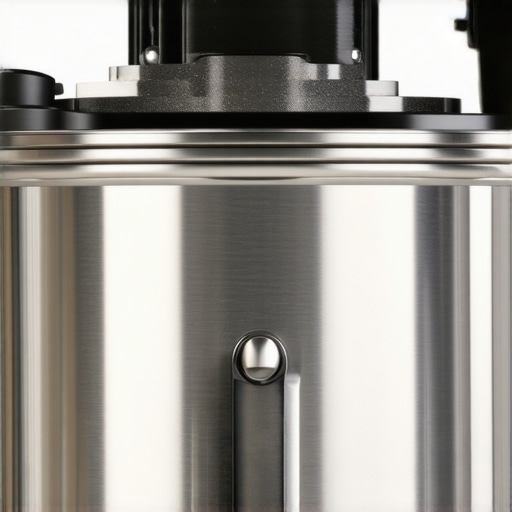
I remember the exact moment when I realized my pressure cooker wasn’t cooperating anymore. I eagerly set it up for a hearty stew, only to hear that dreaded hissing and see the valve stuck in the open position. Frustration bubbled up—literally—and I quickened my search for answers. It hit me hard: these kitchen marvels, which promise effortless meals, can sometimes turn into a source of stress.
Get Your Pressure Cooker Working Like New Again
If you’ve experienced the frustration of a pressure cooker valve that sticks or refuses to seal properly, you’re not alone. This is a common problem in 2026 models, especially with the increased sophistication of smart features that aim to make cooking easier but can sometimes cause hiccups. The good news? You’re about to discover simple, effective ways to fix this issue based on real-life experience and trusted advice.
Is Your Pressure Cooker Valve Actually Worth the Hype?
When I first encountered this issue, I thought I might need a new cooker. But it turned out I had made a rookie mistake early on—assuming that all pressure cooker problems require replacement. Recognizing that few issues are beyond repair has saved many of us time and money. According to the National Kitchen & Bath Association, regular maintenance and understanding the mechanics can extend your appliance’s lifespan significantly.
Now, let’s dive into the practical fixes that can help you get your cooker back into action faster than you thought possible. Whether it’s a stuck valve, a pressure that won’t build, or a lingering leak, the solutions are closer than you think. Ready to fix your pressure cooker and regain kitchen confidence? Keep reading.
Clean the Valve Carefully
Remove the pressure cooker lid and locate the pressure release valve. Use a soft brush and warm, soapy water to gently clean around the valve and its openings, removing any food debris or mineral buildup that could cause sticking. In my own experience, spending five minutes to scrub away residue prevented future pressure issues. Complete this step regularly to keep it functioning smoothly.
Inspect and Replace the Gasket
Check the rubber or silicone gasket sealing the lid for cracks, tears, or deformation. A compromised gasket can make the valve stick, leading to pressure loss. If damaged, replace it immediately. I learned this the hard way when a worn gasket caused my early morning stew to leak out without pressure. Keeping a spare gasket handy saves time during emergencies. For a comprehensive gasket replacement guide, visit this helpful resource.
Lubricate with Food-Grade Oil
If the valve seems stiff but not damaged, apply a small amount of food-grade silicone lubricant to the valve’s moving parts. This reduces friction and allows the valve to open and close effortlessly. Think of it as giving your pressure cooker a lubricant rubdown—smooth operation hinges on this. After doing so, reassemble the parts and test by building pressure without food inside. This simple trick often solves sticky valve problems seamlessly.
Test Pressure and Adjust Settings
Reassemble the lid, ensuring the gasket is seated properly, then fill the cooker with a cup of water, close it securely, and set it to cook at high pressure. Listen for a consistent hiss indicating pressure buildup. If the pressure isn’t reaching the desired level, double-check the valve’s position and whether the release valve is fully closed. Sometimes, minor adjustments and re-tightening are enough. When I first fixed my pressure cooker, I found that tightening the valve screw slightly improved sealing—small tweaks can make a big difference.
Replace the Pressure Release Valve if Needed
If after cleaning, inspecting, lubricating, and adjusting the valve still don’t solve the problem, consider replacing the entire valve assembly. Many manufacturers sell replacement parts, and installing them involves common tools. Refer to your specific pressure cooker manual for exact instructions. I once faced persistent problems with an old valve, and replacing it restored my cooker to full functionality, saving me from buying a new one. For detailed guidance, check this step-by-step article.
Final Tips for Ongoing Maintenance
Maintain your pressure cooker by cleaning the valve after each use, replacing worn gaskets promptly, and avoiding overfilling the cooker with food. Regular check-ups prevent issues before they start. Remember, a well-maintained pressure cooker is safer and more reliable. For more maintenance hacks, explore top pressure cooker tips.
Many home cooks assume that using a slow cooker, instant pot, or multicooker is entirely straightforward, but there are nuanced pitfalls even seasoned enthusiasts often overlook. For instance, the widespread belief that all recipes adapt seamlessly across these appliances can lead to disappointments. While it’s true that these devices excel in convenience, the specific functions and limitations must be understood to avoid common mistakes. Overfilling a pressure cooker or not adjusting recipe timings for different models can result in undercooked meals or even safety hazards. A prevalent myth is that adding more liquid extends cooking time; however, too much liquid can cause sogginess or dilute flavors, as explained in detailed guides on proper usage. Moreover, many users neglect the importance of maintenance—like regular gasket checks and cleaning valves—leading to performance issues or safety risks. Advanced users should also be aware of the subtle differences between models and brands, which can significantly affect cooking results. For example, newer models with smart sensors may require specific calibration or familiarization, as highlighted in expert reviews. A common mistake is assuming that recipes designed for traditional stovetop cooking will work identically in these appliances without modification, but knowing the appropriate adjustments ensures perfect outcomes. If you’re looking to elevate your cooking game, understanding these nuances can save time and improve results. For deeper insights, check out the ultimate guide to multicooker and slow cooker tips. And always remember, a little extra knowledge can prevent costly errors—have you ever fallen into this trap? Let me know in the comments.Maintaining your slow cooker, instant pot, or multicooker requires more than just occasional cleaning; it involves using the right tools and adopting a routine that prolongs their lifespan. I personally swear by the use of a soft silicone brush and precision cleaning tools designed specifically for appliance parts. These allow me to clean every nook around the pressure valve and gasket without risking damage. For instance, I use a narrow head brush from [KitchenPro] that reaches into tight spaces, ensuring mineral buildup doesn’t cause sticking or leaks over time.
How do I maintain my kitchen appliances over time?
Regular maintenance is crucial for long-term performance. A dedicated gasket scraper, for example, helps me inspect and replace worn gaskets – a step I learned after my early models failed unexpectedly. Beyond cleaning, I also keep a calibrated torque screwdriver on hand, which I use to retighten bolts and screws that might loosen with daily use, preventing leaks and pressure failures. Additionally, applying a food-grade silicone lubricant to moving parts semi-annually significantly reduces wear and ensures smooth operation, especially with the pressure release valve. Predicted trends suggest that future smart multi-cookers might feature self-cleaning modes, but until then, investing in reliable cleaning tools remains essential. If you want practical guidance, check out the detailed strategies in this comprehensive guide.
One advanced tip is to include a periodic calibration check of your appliance’s pressure sensors using a specialized testing kit. This may sound complex, but it can prevent errors like false pressure readings or incomplete seals, boosting safety and efficiency. If you haven’t tried this yet, I highly recommend giving it a shot—as it’s saved my family from unexpected mishaps and cooked food inconsistencies. Invest a few minutes in maintenance routines and proper tool use, and your appliances will reward you with years of reliable service. Remember, a little extra effort now averts costly replacements later.
The Hardest Lesson I Learned About pressure cookers
Realizing how crucial regular maintenance is saved me from unexpected kitchen mishaps during dinner rushes. Ignoring small signs like a sticky valve or inconsistent pressure builds can lead to costly replacements, but catching issues early turned me into a pressure cooker pro.
Why Ignoring Gasket Health Can Cost You More Than You Think
I once overlooked a minor tear in the gasket, assuming it was an insignificant wear-and-tear. That mistake resulted in leaks and compromised safety. Now, I inspect and replace gasket seals promptly, understanding that this simple step directly impacts cooking performance and safety.
The Surprising Power of Cleaning and Lubrication
Applying food-grade silicone lubricant to the valve’s moving parts might sound trivial, but it transformed my pressure cooker from finicky to flawless. A quick clean combined with lubrication keeps components operating smoothly, preventing sticking and pressure loss in everyday use.
Lessons That Go Beyond the Manual
Adjusting valve screws and recalibrating pressure settings isn’t typically covered in instructions, yet these tweaks can make all the difference in fixing stubborn pressure issues. Experimenting carefully with small adjustments in your model can save the cost of repairs or replacements.
Embracing Regular Routine to Prolong Lifespan
Incorporating routine checks into my cooking habits — like cleaning valves, inspecting gaskets, and testing pressure builds — has extended my pressure cooker’s lifespan exponentially. Think of it as regular health checkups for your kitchen device, ensuring safety and performance over time.
Resources That Elevate Your Pressure Cooker Knowledge
For tools and detailed guides, I highly recommend exploring trusted sources like expert advice on common issues and quick hacks for sticky valves. These have empowered me to troubleshoot confidently and avoid unnecessary service calls.
Let Your Pressure Cooker Reach Its Full Potential
The more you invest in understanding your pressure cooker’s mechanics and maintenance routines, the more reliable and efficient your culinary experiences become. Whether you’re fixing a valve or simply keeping it clean, each step brings you closer to delicious, stress-free meals. Have you ever repaired your pressure cooker in a way that surprised you? Share your story below – I’m eager to learn from your experiences.