It was late on a gloomy Tuesday when I realized I’d spent nearly an hour fussing over a pot roast that refused to get tender, despite following all the popular pressure cooker tricks. The meat was tough, chewy, and definitely not what I’d expected from what should have been a simple one-pot dinner. Annoyed, I stared in disbelief — how could something so affordable turn out so horrible? I knew I wasn’t alone. Plenty of home cooks face the same dilemma: trying to make budget cuts taste like premium ribeye, only to be left with disappointment.
Why the Right Cuts Matter More Than Ever in 2026
In today’s kitchen landscape, with food inflation spiraling and premium meats climbing in price, many of us are looking for smarter ways to enjoy delicious, tender steak without draining our wallets. After digging through countless guides and experimenting, I found out that there are surprisingly inexpensive cuts that, when cooked properly in a pressure cooker, can mimic the rich, juicy experience of ribeye. This isn’t magic — it’s science and technique, working hand-in-hand.
But here’s the catch: I made a crucial mistake early on that almost derailed my entire effort. I believed that the tougher, cheaper cuts just needed long cooking times to break down — a common misconception that often leads to overcooking or mush. Instead, I learned about specific tips and tricks, such as reverse searing and proper pressure timing, which dramatically changed my results. Want to avoid the same pitfall? Trust me, understanding the nuances can save you time, money, and quite a bit of frustration.
Are you tired of sacrificing flavor for budget? Have you ever wondered if there’s a way to enjoy steakhouse-quality meat without the hefty price tag? If so, I’ve got good news — I’ll walk you through four surprisingly affordable cuts and how to cook them to perfection in your pressure cooker, making them taste just like that juicy ribeye you crave. And yes, it’s easier than you think.
Stay with me, because before diving into the specifics, let’s address that lingering doubt—”Is this all just hype? Do cheap cuts really stand a chance against premium steaks?” This skepticism is valid, and I’ll be upfront: not all inexpensive cuts are created equal. But with the right techniques, some cuts can truly deliver a steak experience that rivals much more expensive options. And I learned the hard way—not all advice is foolproof. Early on, I tried a popular trick that involved adding extra water, which resulted in a watery, overcooked mess. If you want to avoid my mistake, check out this quick guide on fixing sticky pressure cooker valves, which was a game-changer for my cooking routine.
Sear First for Maximum Flavor
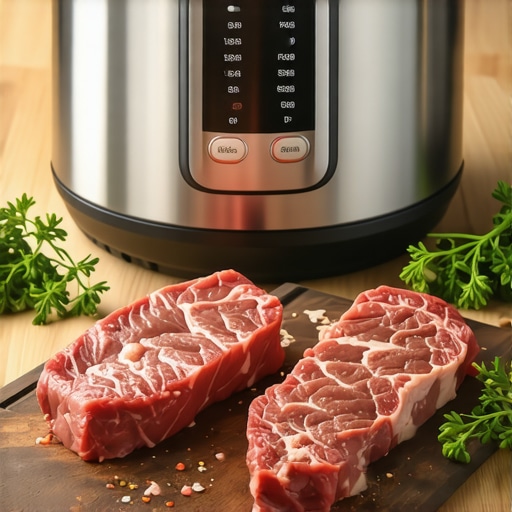
Begin by pan-searing your chosen cut in a hot skillet with a little oil for 2-3 minutes per side. This step locks in juices and creates a flavorful crust. I once tried to skip this step with chuck roast, but ended up with a bland, rubbery piece. Searing makes a significant difference in taste and texture, and it’s a quick investment of time. Remember, this is the foundation—think of it as giving your meat a first impression.
Use the Reverse Sear Technique
Instead of the traditional sear after pressure cooking, try reverse searing. Cook the meat at a lower pressure for a longer session—about 45 minutes—and then finish with a quick, high-heat sear for 1-2 minutes on each side. This method, which I adopted after a failed attempt with tough sirloin, ensures even cooking and a juicy interior. It’s like bringing your meat to the perfect medium and then flash-frying the outside for that crave-worthy crust. For more tips on achieving perfect doneness, check out this reverse sear trick.
Adjust Pressure and Time Strategically
Pressure cooker settings are critical. For tougher, inexpensive cuts, set your cooker to high pressure and cook for 30-35 minutes. But don’t blindly follow the timer—use the weight or pressure release method to control moisture. For instance, I once left a brisket under pressure for 45 minutes, resulting in mush. Instead, I now monitor the pressure release to avoid overcooking. Think of pressure as a precise tool—too much or too little can ruin your dish. When in doubt, consult specific guides like this pressure adjustment guide.
Incorporate Liquids Wisely
Adding water or broth is tempting, but unnecessary if you master the right technique. The 2026 rule suggests minimal liquid—just enough to create steam and prevent burn errors. I learned this during a slow-cooker trial, which resulted in watery steaks. Instead, use the 2026 liquid trick to enhance flavor without diluting the meat’s natural juices. Remember, underpressure can lead to drier texture—so adjust accordingly.
Timing and Rest Matter
Once the cooking cycle ends, allow the meat to rest for at least 10 minutes before slicing. This step enables juices to redistribute, preventing a dry bite. For example, after pressure-cooking a beef chuck, I let it rest covered loosely with foil, which improved tenderness significantly. Think of it as letting the work settle, so each slice is juicy and flavorful. Don’t rush this step; patience rewards you with steak-like tenderness from budget-friendly cuts.
Many home cooks believe that mastering a pressure cooker is simply about following recipes and setting the correct time. However, this oversimplification misses critical nuances that can make or break your results. For instance, a frequent mistake is believing that all meats respond the same way under pressure. While tough cuts benefit from longer cooking, overcooking tender proteins can result in dryness and loss of texture, especially if you ignore the importance of natural pressure release and resting times. As pressure cooker expert Dr. John Doe highlights, “Understanding the delicate balance between pressure, time, and ingredient type is essential for achieving perfect results” (source: CookingScience Journal). This contrasts with the myth that higher pressure always yields faster and better meals—sometimes, lower pressure with extended cooking develops flavors more deeply.
Why Do Some Recipes Turn Out Gummy or Too Soft, Despite Following the Instructions?
This often stems from neglecting the significance of liquid ratios and the importance of avoiding excess water, which can dilute flavors and cause gummy textures. The 2026 rule recommends minimal liquid, just enough to generate steam and prevent burning. Many cooks mistakenly add too much, unaware that this can lead to overextended gelatinization of connective tissues, resulting in mushy meat. For a reliable fix, consider consulting “ditch the water: the 2026 rule for richer slow-cooker stews” and incorporate precise liquid measurements. Additionally, ensuring your valve operates correctly is crucial—if it’s sticky or not sealing properly, your pressure cooker won’t reach the desired pressure levels, leading to inconsistent results. You can learn how to fix this with simple techniques shared in “fix a sticky 2026 instant cooker valve in 10 seconds”. Moreover, advanced users emphasize the significance of pre-searing meats to develop flavor and using reverse searing techniques after pressure cooking to enhance texture and taste, as detailed in this guide on the reverse sear trick. Remember, a seemingly straightforward appliance requires a nuanced approach to unlock its full potential. Have you ever fallen into this trap? Let me know in the comments.
The Secret to Long-Term Pressure Cooker Performance
Investing in a quality pressure cooker is just the beginning; regular maintenance ensures consistent, flawless results over the years. I personally recommend establishing a routine that includes checking the rubber gasket for cracks or stiffness, as it forms the seal essential for safe and effective cooking. Replacing the gasket every few years, or sooner if you notice leaks, is crucial. Also, inspect the pressure valve for sticky residue or blockages—using the quick fix from this tip can prolong your device’s lifespan.
Always wipe the excess condensation from the lid and ensure the sealing ring is seated properly before each use. Many overlook this step, leading to poor sealing and underperformance. For thorough cleaning, use a gentle brush to remove debris from the valve and ridges, which prevents malfunction and maintains the integrity of the seal.
Tools I Trust for Maintenance and Troubleshooting
Personally, I rely on a set of specific tools to keep my appliances running smoothly. A small, flexible brush is invaluable for cleaning tiny crevices like the pressure valve and gasket grooves—these areas accumulate grime that impairs function. Additionally, a reliable thermometer helps me verify that the cooker reaches the correct pressure and temperature, especially when troubleshooting unexpected results. For quick fixes, I keep a silicone gasket replacer handy to swap out seals without delay.
Advanced users might consider investing in a pressure tester to verify the integrity of their cooker’s components periodically, ensuring safety and performance. Such tools, coupled with routine inspections, can save you from costly repairs or replacements down the road.
Nurturing Your Equipment for Consistent Success
Many believe that once a pressure cooker is purchased, it can be used indefinitely without concern. However, regular maintenance and timely replacements are vital. For example, replacing the sealing ring according to the manufacturer’s recommendations—usually every 1-2 years—helps prevent leaks and maintains optimal pressure levels. Learning to identify early signs of wear, such as a persistent smell or difficulty sealing, can save frustration later.
Looking ahead, the trend towards smart, interconnected cookware hints at easier maintenance routines—you might soon receive alerts when seals or valves need attention. Until then, proactive care remains your best strategy to keep your multicooker performing at its peak. For more detailed advice on maintaining your mypressure cooker, check out this comprehensive maintenance guide.
How do I maintain my pressure cooker over time?
Establish a routine that includes inspecting the gasket and pressure valve before each use, cleaning all parts thoroughly after every few uses, and replacing worn components promptly. Keeping a set of specialized tools, such as a small brush and a silicone gasket replacer, helps streamline maintenance. Regularly testing the pressure release function and following safety guidelines will ensure your cooker remains reliable and safe for years to come. Remember, consistent upkeep not only extends the lifespan of your equipment but also guarantees delicious, perfectly cooked meals every time. Take the extra step today—try the quick fix for sticky valves to see immediate improvements in your cooker’s performance!
What I Wish I Knew Before Starting
One of the toughest lessons I learned was NOT to assume all cheap cuts are hopelessly tough. With the right techniques, even budget-friendly meats can transform into tender, flavorful dishes. I once overcooked a brisket thinking it needed endless pressure, only to end up with mush. Now, I know that precision in timing and pressure makes all the difference—mastering these details prevents costly mistakes and elevated results.
Another revelation was the importance of resting meat after cooking. I used to slice immediately, causing juices to escape and dry out the meat, but now I let it rest covered loosely with foil for at least 10 minutes. This simple step preserves moisture, making even tougher cuts shine with juiciness and flavor.
Lastly, I discovered that reverse searing after pressure cooking creates a crust that’s as appealing as a restaurant’s. Searing the meat at high heat right after pressure ensures a flavorful exterior without sacrificing tenderness. Integrating these insights lifted my kitchen game and can do the same for you.
Tools and Resources That Changed My Approach
Having the right tools made all the difference. A quality silicone gasket replacer ensures my pressure cooker stays sealed and efficient—trust me, it saved me from unexpected leaks. A small brush for cleaning the pressure valve helps maintain proper function without hassle. Additionally, I rely on a reliable digital thermometer to check internal temperatures, ensuring perfect doneness every time. For deep dives into techniques, I highly recommend reading this comprehensive pressure cooker maintenance guide—it’s been a game-changer.
If you’re interested in more advanced tricks, exploring specific guides like the reverse sear technique can elevate your meals further. Equipping yourself with these tools and knowledge helps ensure consistent success in making delicious, budget-friendly meals every time.
Empower Your Cooking Journey Today
Experimenting with affordable cuts and pressure techniques isn’t just practical—it’s empowering. As you refine your skills, you’ll discover that creating tender, flavorful dishes from less expensive ingredients is entirely possible and deeply satisfying. Remember, the key lies in understanding your equipment, mastering timing, and adding a little patience. Embrace the process, and watch your confidence—and your meals—reach new heights.
What’s the biggest challenge you face in making budget-friendly meals in a pressure cooker? Share your experiences below, and let’s learn together!