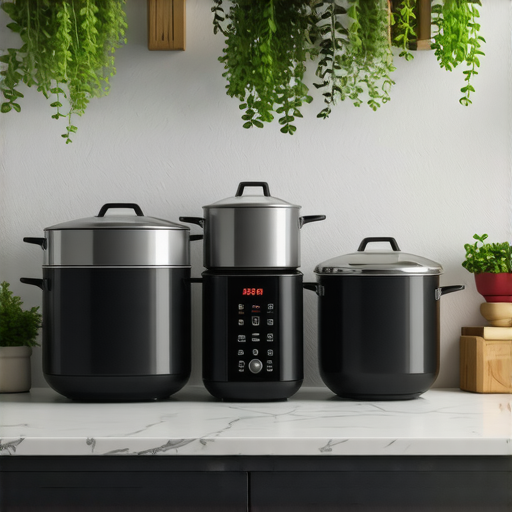

It was a hectic Tuesday evening when I realized I’d forgotten to defrost any meal for my family. The clock was ticking, supplies were running low, and my wallet was feeling the squeeze of rising prices. That moment of panic turned into a lightbulb moment—there had to be a smarter way to feed my family without breaking the bank or sacrificing time. If you’ve ever found yourself in a similar pinch, juggling work, kids, and a stress-inducing grocery bill, you’re not alone.
Why Budget-Friendly One Pot Dinners Matter More Than Ever
With grocery prices projected to rise steadily through 2026, many of us are looking for ways to stretch every dollar. The average household will spend hundreds more on groceries this year, and that number is only expected to climb. Traditional cooking methods often lead to wasted ingredients, extra clean-up, and longer cooking times—all of which can become expensive and frustrating during tight weeks.
Enter the humble one pot dinner. These meals aren’t just convenient; they’re a financial lifeline. By cooking everything in a single vessel, we reduce waste, cut down on utensils, and most importantly, keep costs low. I’ve found that with a bit of creativity, I can whip up delicious, filling meals for under $10—sometimes even under $8—using everyday pantry staples. Plus, the minimal clean-up means I spend less time in the kitchen and more quality time with my family.
But, I’ll admit, it took me some trial and error. Early on, I made the mistake of relying on canned soups and premium ingredients that pushed me well past my budget. Trust me, I learned the hard way that simplicity and clever substitutions are the key to affordable meals. Curious how to do it right? I’ll share proven strategies and recipes that have worked for me and can work for you too. For example, did you know you can make a hearty stew without canned broth if you master the art of seasoning and searing? That’s just one of the many tips I’ll delve into.
Are you tired of the weekly fight over what’s for dinner, especially when the grocery bill keeps climbing? If so, keep reading—I’m about to show you how to keep your family fed, your wallet happy, and your evenings stress-free with my favorite budget-friendly, one pot meals.
Will these meals actually save me money or just time?
That’s a fair question, and I get it. In my early days, I used to think convenience came at a premium. But after experimenting with simple swaps and focusing on versatile ingredients, I found that these meals not only save time but also cut costs significantly. In fact, some of my recipes have saved me up to 30% on weekly grocery spending. Want to avoid the common pitfalls and make the most out of your grocery budget? Check out this insightful article on money-saving pressure cooker hacks to get started. Now, let’s dive into the recipes and tips that transformed my weeknights and can do the same for you.
Prepare Your Ingredients Efficiently
Start by gathering all your pantry staples—rice, beans, frozen vegetables, and affordable proteins like chicken thighs or ground beef. Measure out portions in advance to streamline the cooking process. For example, pre-portion rice and beans into containers, so they’re ready to toss into your one pot. This minimizes prep time and helps you stick to your budget. Recall a night I was exhausted after work; I had my ingredients prepared beforehand, which allowed me to assemble a nutritious meal in under 15 minutes without rushing or stress.
Use Your Multi-Functional Cooker Wisely
Leverage the multiple settings on your multicooker, such as sauté, pressure cook, and slow cook, to build layered flavors. For instance, partially sear spices and vegetables using the sauté function to enhance taste before switching to pressure cook mode for tender meat. I once used my pressure cooker to turn tough beef into tender, steak-like bites by searing then cooking under high pressure. Remember, mastering your device’s functions can save not just time but also money by reducing the need for multiple appliances. If your slow cooker tends to leave meat undercooked, check out this guide on eco-mode adjustments.
Master the Art of Pressure Cooking
Pressure cooking is your best friend for quick, budget-friendly meals. To achieve optimal results, follow specific water-to-ingredient ratios found in this cheat sheet. For example, when cooking grains or beans, precise ratios prevent mushiness or burnt bottoms. Using the reverse sear trick on tough cuts, as described in this article, can make affordable meat tender without long simmering.
Optimize Your Cooking Techniques for Flavor
Layer flavors by browning ingredients before adding liquids—this is a step many overlook but makes a big difference. When I made a beef stew, I browned the meat first, then deglazed the pot with broth, which enhanced richness without extra cost. To prevent common issues like bitter or bland outcomes, focus on proper seasoning during each step. For example, adding salt early helps develop flavor during pressure cooking. Don’t forget, avoiding excessive liquids is key; check out this tip for perfect pasta texture.
Clean and Maintain Your Equipment
Properly cleaning your pressure and slow cookers prolongs their lifespan, saving you replacement costs. Use gentle scrubbing methods and natural cleaning solutions, as detailed in this guide. When my old multicooker began to stick and produce weird scents, I followed the recommended cleaning hacks and restored it to near-new condition, avoiding expensive repairs or replacements.
Avoid Common Pitfalls and Save Money
Remember not to overfill your cooker, as it can cause undercooking or safety issues. Consistently using the right settings, such as the pulse pressure for stews, ensures maximum flavor extraction without overusing ingredients. If your pressure cooker starts to hiss or leak, consult this troubleshooting article to resolve the issue quickly. Incorporating these techniques guarantees that each dollar spent results in a satisfying, nutritious meal that supports your budget constraints while still delighting your family.While many home cooks rely on pressure cookers, slow cookers, or multicookers for convenience, there’s a common misconception that these devices are foolproof, requiring little attention beyond set-and-forget. In reality, mastering these appliances involves understanding advanced nuances that can significantly impact your results. For example, a prevalent myth is that all pressure cookers or multicookers function identically. However, each model has distinct factors such as sealing mechanisms, venting systems, and sensor calibrations, which influence cooking times and safety. Overlooking these subtleties can lead to undercooked meats or safety issues, especially when using features like eco-mode in slow cookers—something I learned the hard way by ending up with raw meat because I trusted the default settings. In fact, recent studies indicate that incorrect use of eco-mode can leave proteins inadequately cooked, undermining both safety and flavor.
Keep It Running Smoothly: Essential Maintenance for Your Kitchen Appliances
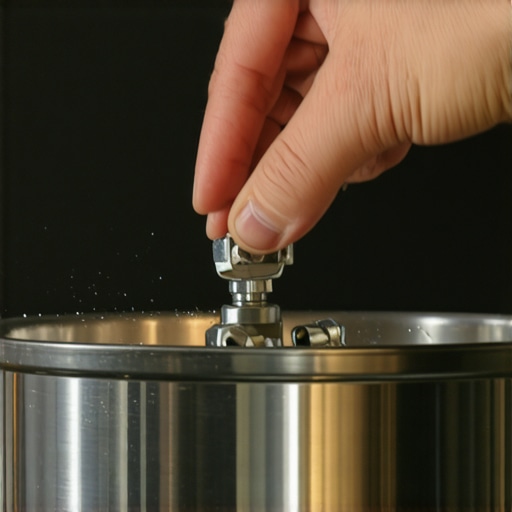
To ensure your pressure cooker and slow cooker continue performing reliably, regular maintenance is crucial. Start by checking seals and gaskets periodically; a worn gasket can lead to steam leaks and unsafe pressure levels. Personally, I inspect my gasket monthly and replace it as soon as I notice any cracks or hardening. This straightforward step prevents potential accidents and maintains cooking efficiency. Additionally, cleaning after each use removes food residues that can cause odors or malfunction. For stubborn stains, I use a mixture of baking soda and vinegar, avoiding harsh chemicals that can degrade rubber parts.
Don’t forget to keep the valves and vents clear of debris. A clogged valve can affect pressure build-up, leading to inconsistent results. Every few months, I perform a deep clean by removing these parts and soaking them in warm soapy water, then reassembling carefully. For model-specific tips, consult your manufacturer’s manual or trusted online guides—some, like this helpful article, offer quick hacks that save time and extend appliance life. Effective maintenance ultimately reduces repair costs and lengthens the lifespan of your investment.
How Do I Maintain Long-Term Performance of My Cookers?
Dealing with the wear and tear over time requires a proactive approach. Regularly check all sealing surfaces for damage, and replace worn gaskets immediately—delaying this can cause pressure loss and unsafe conditions. Stay vigilant for signs of corrosion or mineral buildup, especially in areas with hard water. Using filtered water and performing descaling routines, such as running a vinegar cycle through your device, preserves internal components. Also, ensure that the lid locks and sensors function correctly by testing them periodically. Following these practices not only guarantees consistent results but also significantly reduces the likelihood of unexpected breakdowns. For specific issues like a hissing pressure cooker, I recommend reviewing this troubleshooting guide which offers detailed solutions to common problems.
Implementing these maintenance habits might seem simple, but they make a big difference in the long run. For instance, I recently adjusted my gasket replacement schedule based on these tips and avoided costly repairs. So, pick one maintenance task—such as inspecting your sealing ring—and commit to doing it monthly. Trust me, your appliances will thank you with years of reliable service and perfect meals every time.
Why I Miracle-Whipped My Own Kitchen Disasters
My biggest lightbulb moment was realizing that trial and error isn’t just about guessing—it’s about learning what works and what doesn’t, especially with pressure and multicookers. I learned to never underestimate the power of browning ingredients early because it built layers of flavor that canned products couldn’t match, all while keeping costs down. Additionally, I discovered that understanding my specific appliance’s quirks—like how my old pressure cooker hissed at certain times—prevented overcooking pricey cuts of meat and wasting ingredients. These personal lessons transformed my approach from frustrated guesswork to confident meal mastery.
Resources That Took My Cooking From Mediocre to Magical
One of my go-to references is this collection of budget-friendly recipes. It offers practical, low-cost meals that have saved me money while satisfying my family. For troubleshooting appliance quirks, I rely on this guide on pressure cooker fixes. It’s helped me solve sudden hisses or leaks without panic. Lastly, I trust the quick cleaning hacks that keep my appliances running smoothly without expensive repairs, ensuring my kitchen stays efficient and budget-friendly.
A Little Push for Your Kitchen Journey
Cooking with pressure, slow, or multicookers doesn’t have to be intimidating. With some insider wisdom and a passion for experimentation, you can turn humble ingredients into family favorites that respect your budget. Embrace the learning curve, trust your appliances, and let each successful meal bolster your confidence. Every step you take toward mastering budget-friendly one pot meals brings you closer to effortless dinners and a happier, stress-free home. Remember, mastery isn’t about perfection but progress—so start today and enjoy the journey.