There was a moment not so long ago when I looked at my grocery bill, scratch paper in hand, and realized I was spending more on dinner than I convinced myself I was. My eyes widened as I stared at the numbers—each meal creeping up in cost, yet my family’s appetite remained the same. That lightbulb moment made me reassess everything about my mealtime routine. Could I still feed my loved ones hearty, delicious dinners without blowing the budget?
Why Saving on Dinner Matters More Than Ever in 2026
In today’s economy, every dollar counts. Food prices are projected to continue their upward climb, making traditional shopping and meal planning more challenging. Like many, I’ve faced the frustration of watching prices rise but still wanting to serve nutritious, satisfying meals. The good news? There are solutions—simple strategies that can drastically cut your grocery bills while keeping mealtime enjoyable. I’ve tested dozens of methods, and finding affordable, nutritious, and quick recipes became my personal mission, especially with busy schedules and tight budgets.
Is It Really Possible to Eat Well for Less?
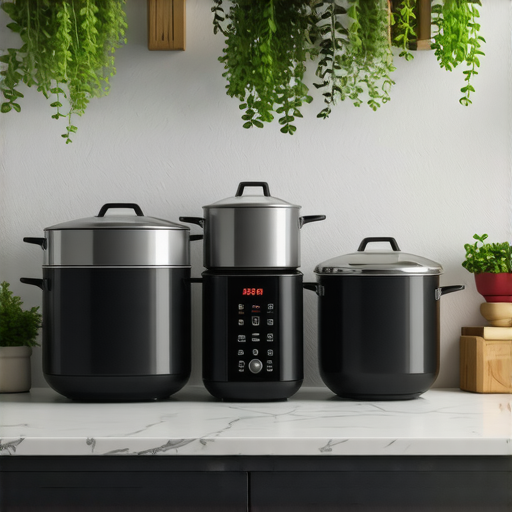
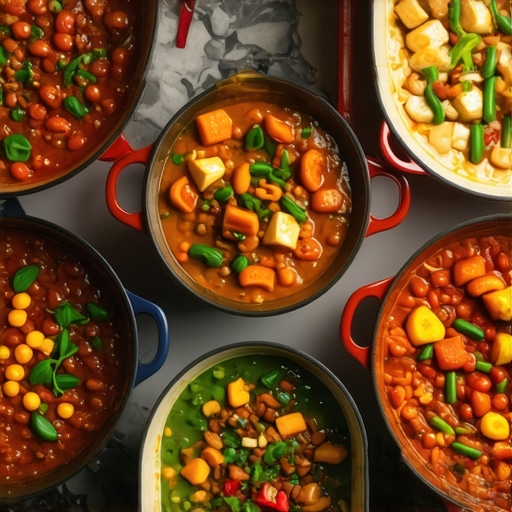
Initially, I thought ultra-cheap meals would mean sacrificing flavor or nutrition. I risked skimping on ingredients and ended up with bland, uninspiring dishes. Early on, I made the mistake of relying solely on canned, processed foods, which not only drained my wallet but also left my family craving more. With some trial and error—plus digging into resources on smart cooking—I discovered that one-pot meals can be both budget-friendly and full of flavor, especially when you leverage efficient kitchen appliances like pressure cookers and slow cookers. Want to learn how to do this without sacrificing taste or time? Stick around—I’ve got some tried-and-true tips that will transform your dinner routine, starting with essential tools and ingredients. Start with selecting a multicooker that suits your needs, like an instant pot or slow cooker, which consolidates cooking tasks and saves time. I once tried to cook a beef stew on the stove, ending up with a big mess and overcooked meat. Transitioning to a multicooker simplified everything—set it and forget it—making my weeknight dinners stress-free and affordable. Familiarize yourself with functions like ‘pressure cooking,’ ‘slow cooking,’ and ‘simmer’ modes. For example, using the ‘pulse pressure’ setting can dramatically improve stews by gently tenderizing tougher cuts without turning to mush. Check out this guide to pulse pressure for more tips. Choosing ingredients wisely can make all the difference. Opt for affordable proteins like chicken thighs, which are cheaper and more forgiving than breast meat. When I made chicken-and-rice in my multicooker using the ‘no water’ rule, it turned out rich and tender, surpassing my previous soggy attempts. Use fresh herbs and spices to enhance flavor without adding cost. One-pot meals are your best friend—combine proteins, grains, and vegetables, and let the cooker do the work. For instance, a hearty chili or a veggie-stuffed pasta can be prepared quickly and cleanup is minimal. For perfect rice every time, consult the timing cheat sheet. This approach keeps ingredients integrated and flavors locked in. Batch cooking in the multicooker allows for meal prepping, reducing trips to the store. Freeze portions of proteins like pulled pork or shredded beef—you can grab a ready-made meal anytime. I once prepared a week’s worth of chicken a la king, storing it in individual containers. Using the ‘high pressure’ setting kept the meat juicy, avoiding dryness that often plagues slow-cooked dishes. Learn more about making proteins freeze-well here: protein prep tips. Encountered dry meat or mushy vegetables? Adjusting cooking times and leveraging specific settings can solve these issues. For example, avoiding overpressure can prevent dry outcomes, especially with lean cuts. If your lid won’t seal properly, try the quick fixes outlined here. Proper sealing is crucial for optimal pressure and flavor retention. By mastering your multicooker’s functions and choosing ingredients carefully, you can turn budget meals into flavorful feasts. Whether it’s a batch of chili, a tender roast, or a quick stir-fry, these core techniques empower you to feed your family well without overspending. Remember, kitchen adjustments like reducing water or tweaking pressure settings can elevate your meals from average to exceptional—see how here: water reduction tricks. Many home cooks believe that mastering a multicooker or pressure cooker is straightforward, but the real nuances often trip people up. Contrary to popular opinion, simply following recipes isn’t enough; understanding advanced settings and common pitfalls can make or break your meal. For instance, a frequent mistake is relying solely on default pressure levels without adjusting for the specific meat or vegetable being cooked, which can result in dry or mushy dishes. Experts recommend experimenting with the ‘pulse pressure’ setting (see this guide to pulse pressure) for better textures, but many overlook this step. One often-ignored nuance is the importance of proper sealing and valve maintenance, which directly affects cooking efficiency and safety. A stuck valve or misaligned lid can cause pressure to escape prematurely, leading to incomplete cooking or dangerous situations. Regularly inspecting and cleaning your lid and valve is a simple but critical step—learn more about troubleshooting here. Another misconception is that cooking times are universal; in reality, variables like altitude, ingredient size, and the model’s age affect outcomes. Advanced users tweak cook durations, especially for tough cuts or delicate items like fish, which requires different approaches than beginners realize. For example, adding a short sear before pressure cooking can enhance flavor and prevent mushiness, but it must be done carefully to avoid overcooking. This reverse sear trick is a game-changer for tender, flavorful meats. Let’s not forget the myth that all one-pot meals are bland or unhealthy. When paired with the right techniques—such as layering ingredients and adjusting liquid ratios—these dishes can be both rich and nutritious. A hidden trap, however, is overusing water to compensate for flavor loss, which often results in watery, unappetizing meals. Omitting excess water and allowing ingredients to concentrate their flavors leads to better results, as explained in this water reduction article. Advanced cooks should also consider the impact of ingredient qualities and seasoning timing. Over-seasoning early can lead to muddled flavors, while adding herbs at the right stage unlocks aromatic profiles. For example, fresh herbs added at the end preserve their brightness, preventing dishes from tasting dull. Experts suggest experimenting with the timing of seasoning steps to achieve depth, especially in complex recipes. Have you ever fallen into this trap? Let me know in the comments. Remember, understanding these nuanced aspects transforms a good home cook into an advanced one, maximizing your multicooker and one-pot meal potential. To ensure your multicooker or pressure cooker consistently delivers great results, regular maintenance is essential. I personally recommend creating a cleaning schedule that includes inspecting the sealing gasket monthly, cleaning the steam release valve thoroughly, and checking for mineral buildup to prevent malfunctions. Using a soft cloth and vinegar solution helps keep these parts in top shape without damaging rubber or silicone components. Don’t overlook the importance of keeping the lid seal spotless; a dirty or worn gasket can compromise pressure and safety, leading to issues like incomplete cooking or dangerous leaks. For detailed gasket maintenance, consult this trusted guide. Regularly inspecting all pressure-release valves and replacing worn-out parts prolongs your appliance’s lifespan and maintains safety standards. Understanding the nuances of upkeep can save you from costly repairs or replacements. Rinse the inner pot after each use to prevent food residues from baking onto surfaces, and occasionally run a cleaning cycle with baking soda to remove odors. For persistent clogs or stuck valves, attempting a quick fix using the methods outlined in this article can be effective, but sometimes professional servicing is warranted. Staying vigilant with maintenance checks ensures your cooker remains efficient and safe for years to come. As the trend towards smarter kitchens grows, some manufacturers are integrating diagnostic alerts, but manual care remains irreplaceable. Now, I suggest testing advanced tips like the reverse sear trick for more tender meats; it’s a game changer for long-term meal quality, and you’ll soon see how maintaining your equipment complements these cooking hacks. One of my hardest lessons was realizing that rushing the cook time or ignoring the importance of proper sealing could ruin a meal. I once underestimated how crucial good gasket maintenance was, leading to frustrating failures. Now, I know that paying attention to these little details makes a huge difference in flavor and safety. It’s tempting to overlook these nuances, but embracing them transforms your cooking from trial and error into confident control. Switching to a quality multicooker with versatile settings opened up a world of possibilities—and saved me hours each week. I trust brands that provide clear guides and reliable performance because they keep my kitchen running smoothly. For instance, I swear by specific resources like this comprehensive guide that helped me master one-pot magic. Choosing dependable tools and resources means investing in future success rather than constant guesswork. Remember, every successful meal begins with a mindset that embraces patience and curiosity. Whether you’re redefining budget-friendly dinners or perfecting pressure cooker techniques, your efforts are worth it. The more you learn and adapt, the more your mealtime routine becomes a source of joy rather than stress. Trust that you can turn even the simplest ingredients into family favorites—just like I did. So, why not start experimenting today and share your wins? I’d love to hear about your progress and insights in the comments below. What’s the biggest kitchen discovery you’ve made recently? Let’s grow together in this flavorful journey.Embrace a Smarter, Cheaper Cooking Approach
Keeping Your Equipment in Prime Condition
How do I maintain my multicooker over time?
The Tough Love of Pressure Cooking
Tools That Changed My Kitchen Game
Pour Your Heart Into Your Kitchen Adventure